Were the Cockroaches Alone? Dimon IDs Malodorous Mammal at Economy’s Gates
Ongoing armed conflict in Ukraine and Iran, Dimon wrote, have him concerned about an economic “skunk at the party.”
Sign up for smart news, insights, and analysis on the biggest financial stories of the day.
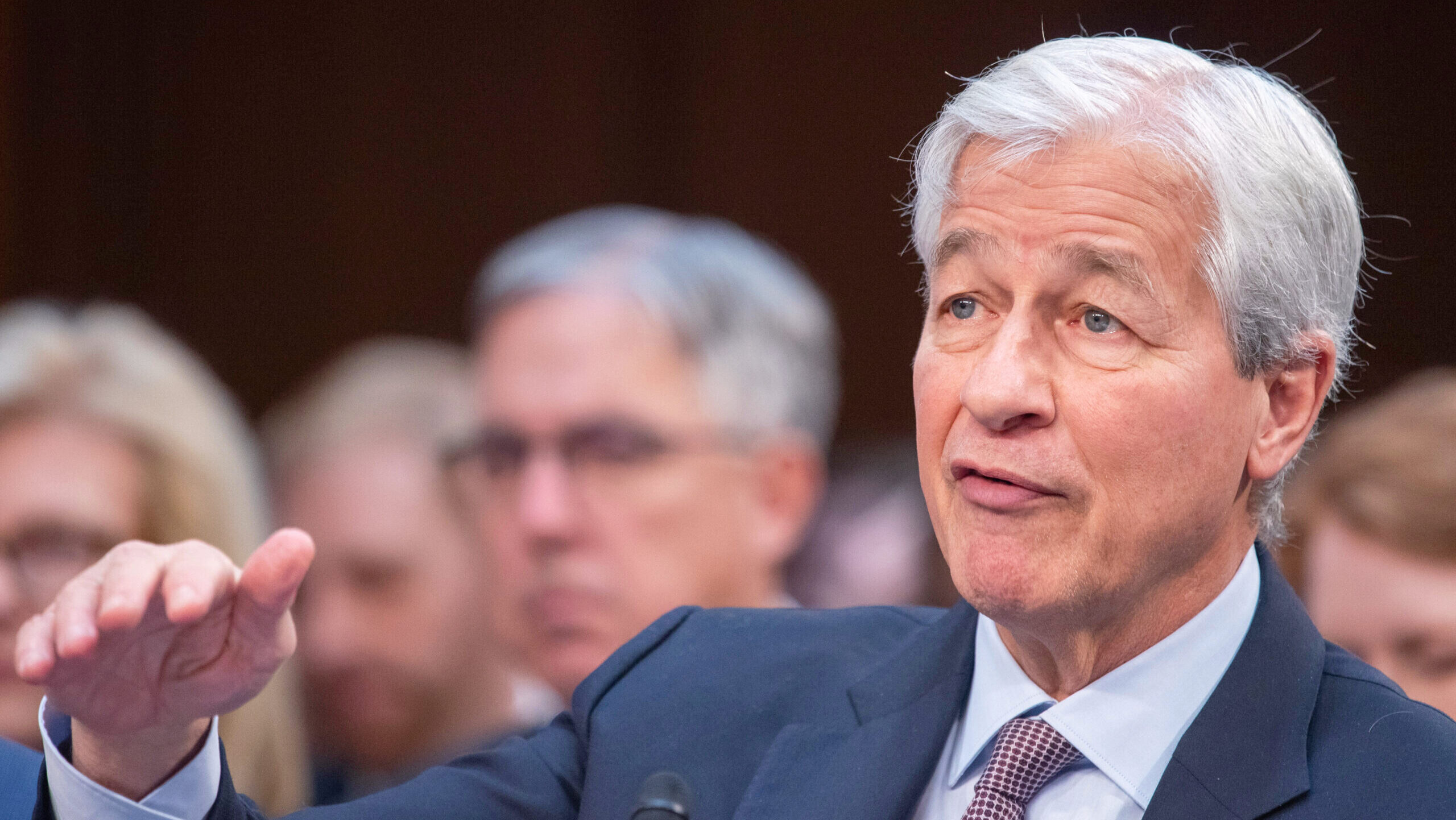
Jamie Dimon’s metaphorical animal kingdom has a stinky new addition.
The outspoken CEO of the world’s biggest bank by market value, who famously likened private credit defaults to cockroaches last fall, released his annual investor letter on Monday. Ongoing wars in Ukraine and Iran, he wrote, have him concerned about an economic “skunk at the party” that could pair high inflation with tanking asset prices.
Unlucky Number Eight
With Warren Buffett handing over penman duties at Berkshire Hathaway to his CEO successor Greg Abel, Dimon’s annual letter to shareholders is now arguably the premium destination for sage metaphors, witticisms and prognostication from a straight-talking corporate leader at a firm whose size allows a 360-degree view of the US and global economies.
This year, Dimon highlighted eight “larger risks we should keep our eyes on”: high asset prices that could become rapidly decreasing ones, trade battles that could realign the world economy, ever-complicated US-China relations, private markets and the lack of companies choosing to go public, AI risk, private credit, and geopolitics including soaring government deficits and debt. While the S&P 500 gained 0.4% on Monday as traders pin their hopes on US-Iran negotiations, the impact of the war is undeniable. One need only look at the price of oil by the barrel or gas at the pump, which has spurred investor fears of inflation severe enough to halt central bank interest-rate cuts. Traders now believe there’s more than an 80% chance that the Federal Reserve holds rates steady until the end of the year, up from less than 15% a month ago, according to CME Fedwatch. And so goes Dimon’s reasoning:
- “The skunk at the party — and it could happen in 2026 — would be inflation slowly going up, as opposed to slowly going down,” he wrote. “This alone could cause interest rates to rise and asset prices to drop. Interest rates are like gravity to almost all asset prices. And falling asset prices at one point can change sentiment rapidly and cause a flight to cash.”
- But it wouldn’t be Wall Street without a hedge. Dimon also offered a list of tailwinds that he believes are helping the economy right now: the fiscal stimulus of the One Big Beautiful Bill that JPMorgan sees injecting 1% of GDP into the US economy, the Fed’s $40 billion purchases of securities each month to support asset prices, ongoing deregulation including of businesses including banks, and the enormous capital spending on AI that the bank estimates will rise to $725 billion from $450 billion last year.
About Those Roaches: Whether the skunk crashes the party or not, the private credit roaches are still lurking, with an unprecedented wave of redemption requests forcing managers to place caps on withdrawals. The good news, Dimon wrote: “Private credit probably does not present a systemic risk.”
Recent News
-
How the ‘Domino Effect’ from a Wonky SEC Policy Shift May Ease Capital Gains Pain

Photo illustration by Connor Lin / The Daily Upside, Photo by Klyaksun via iStock