KKR Outdoes Berkshire With Its Berkshire Impression
KKR delivered a earnings beat in thanks in large part to the success of its self-styled “mini-Berkshire” strategic holdings segment.
Sign up for smart news, insights, and analysis on the biggest financial stories of the day.

Greg Abel isn’t the only challenger for the role of “Next Warren Buffett.”
KKR delivered a profit beat in its third-quarter earnings call on Monday thanks in large part to the success of its self-styled “mini-Berkshire” strategic holdings segment. In fact, the cover band did so well, Big Berkshire, which reported its own earnings on Saturday, may even want to take some notes.
Rest Insured
There’s a reason KKR started turning to the Buffett Playbook. Like much of the private equity world, KKR has struggled to find exit ramps for its various portfolio companies. Its solution? Packaging 19 investments together into the strategic holdings segment and enjoying the steady stream of dividends. Operating earnings from the unit — which mostly includes bets in healthcare, consumer and business services companies — reached $191 million in the quarter, up more than triple from the same quarter a year ago.
Berkshire, by comparison, saw its own operating earnings fall nearly 6% in the recent quarter, eating into profits. The problem? Geico, which saw pretax earnings decline 45%. KKR, meanwhile, similarly understands that running a major insurance firm is becoming so difficult a caveman definitely could not do it:
- Dividends in the strategic unit holdings helped buttress KKR from losses from its annuities and insurance portfolio company Global Atlantic, which saw earnings decline by 24% in the quarter.
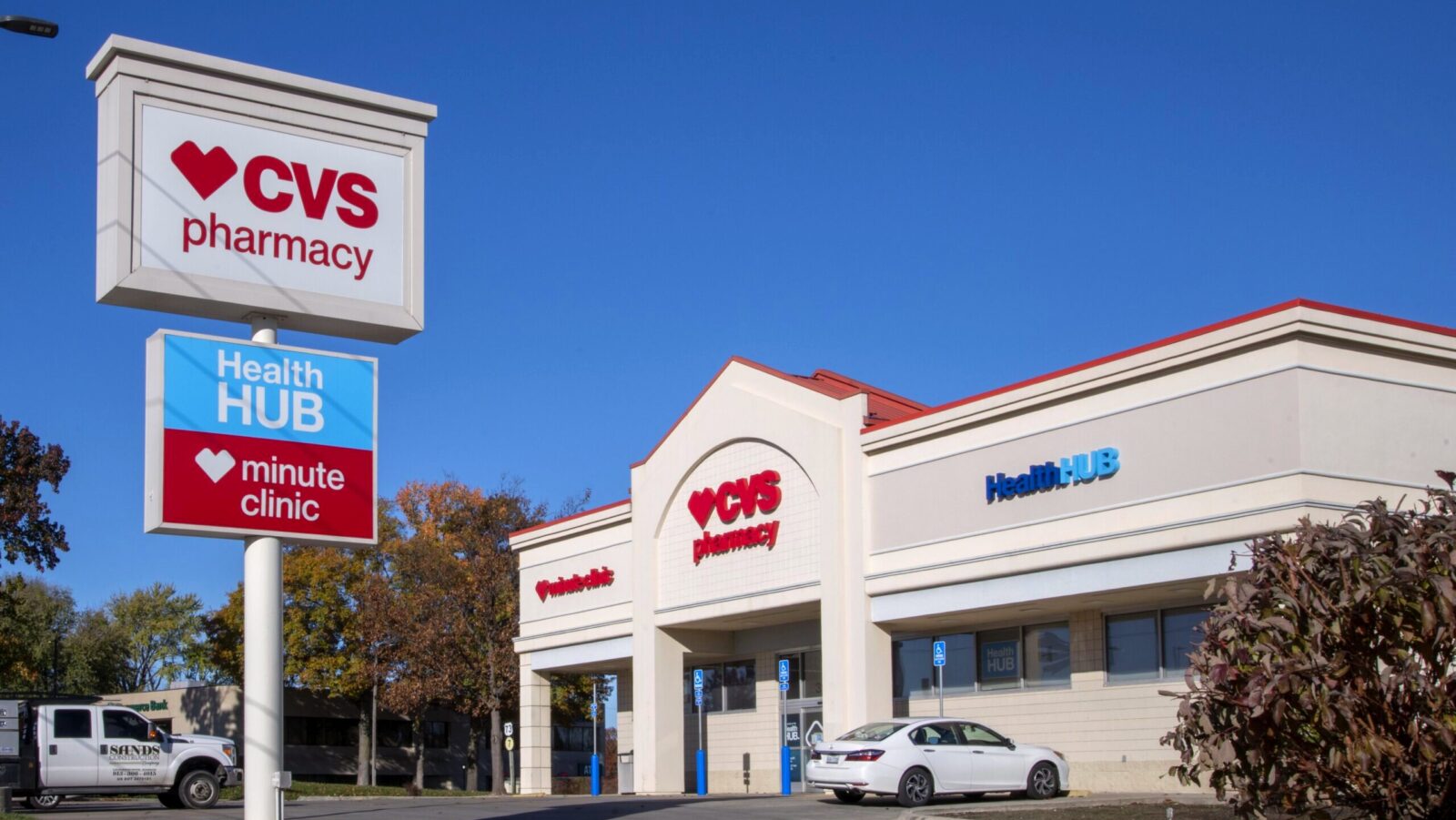
- Meanwhile, in August, KKR agreed to a deal to sell USI Insurance Services for $17 billion. USI had previously been in its strategic holdings group, and KKR has already acquired three new firms to replace it: A1 Garage Door Service, fund administrator Gen II Fund Services and medical device-maker Integer.
“We are already well on our way to replenishing the forgone earnings from USI and feel we can grow the portfolio at a faster rate given our pipeline,” KKR CFO Rob Lewin said during the post-earnings call yesterday.
Bubble Babble: The investment giants have another thing in common: exposure to the increasingly wobbly AI trade. Berkshire tapped its massive dry powder pile to pour into Alphabet in the first half of the year, making the tech giant among Berkshire’s four largest holdings along with Apple, American Express and Coca-Cola (a 13F filing with the SEC, expected next week, will clarify the exact ranking). The timing wasn’t great: Google stock, battered by capex concerns, is down 26% in the past six months. KKR, meanwhile, has invested roughly $80 billion across digital and energy infrastructure projects. Co-CEO Scott Nuttall on Monday stressed the uncertainty of the AI trade: “No one knows how this will play out. This level of spend this fast is unprecedented, and we think it’s important to approach all of this with a lot of humility.”
Recent News



-

Photo illustration by Connor Lin / The Daily Upside, Photo by Sveipe via iStock