Detroit’s EV Writedown Woes Pile Up Over $50 Billion
According to Kelly Blue Book figures, US electric vehicle sales fell 36% to 234,171 units in the fourth quarter of 2025.
Sign up for smart news, insights, and analysis on the biggest financial stories of the day.

Detroit’s big three automakers took a combined $50 billion hit in write-downs as they scale back their electric-vehicle businesses. To put that in perspective, that’s around the size of the US government bailout during the Great Recession.
According to Kelly Blue Book figures, US electric vehicle sales fell 36% to 234,171 units in the fourth quarter of 2025. That’s a drop so steep that it calls for a Jeep Wrangler, if only the owner of the Jeep brand, Stellantis, weren’t the one smarting from the fall. Last week, ratings agencies Standard & Poor’s and Moody’s downgraded the company’s credit rating to their lowest investment grade or, in less polite terms, just one notch above “junk.”
Driveshaft Downgrade
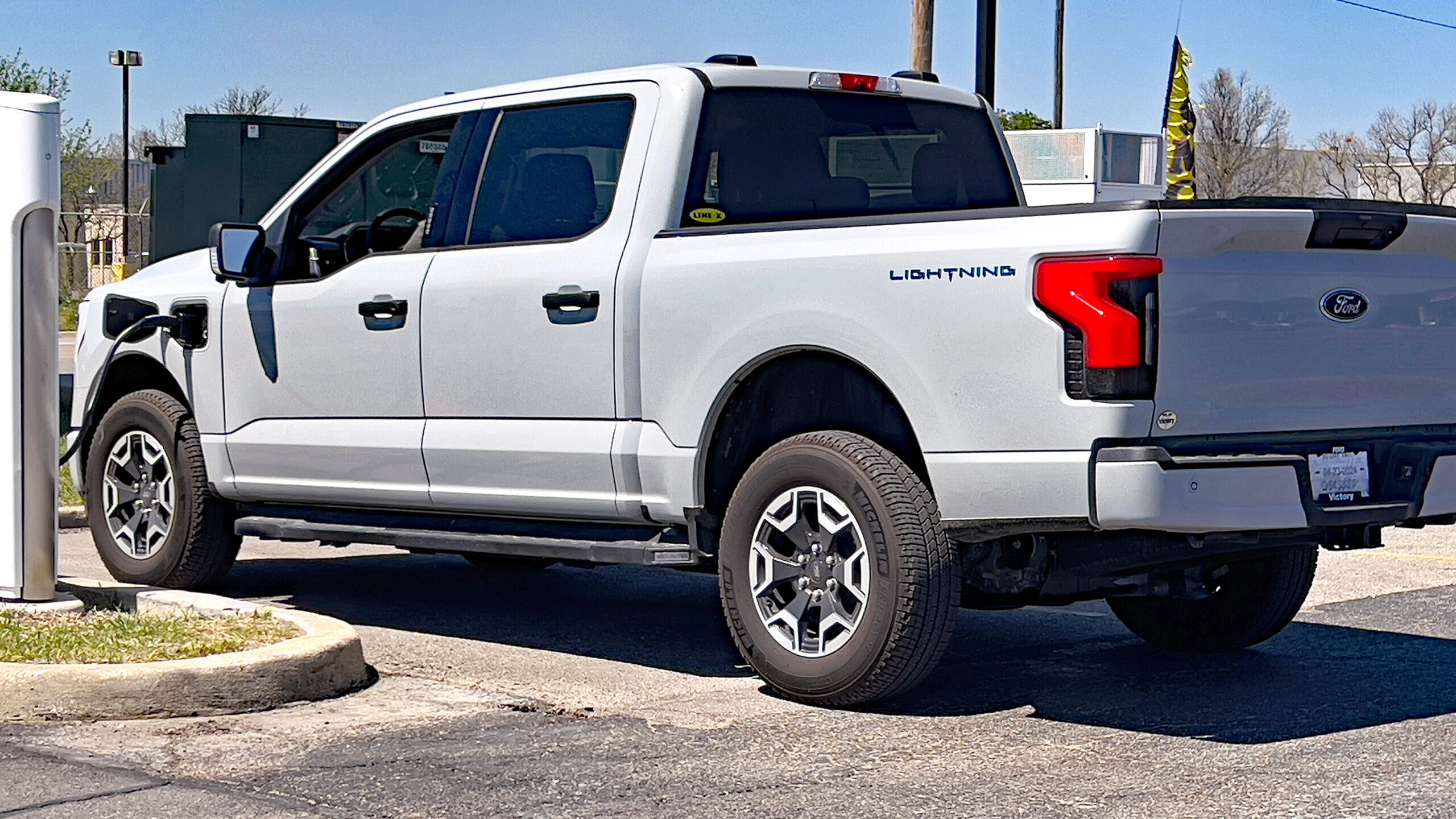
This followed Stellantis’ disclosure earlier this month that it took $26 billion in write-downs in the second half of 2025 after executives vastly overestimated the prospects for EV adoption. Stellantis CEO Antonio Filosa acknowledged the company had drifted from “car buyers’ real-world needs, means and desires.” In January, crosstown rival GM disclosed its own $7.6 billion in writedowns, warning more could be in store for this year, while a month earlier Ford said it would take $19.5 billion writedowns in 2025 and 2026. Ford CEO Jim Farley said his company was slamming the brakes now, “instead of plowing billions into the future knowing these large EVs will never make money.” Gone are Stellantis’ Ram 1500 REV electric pickup and Ford’s F-150 Lightning, as well as billions in other investments in models, factories and upgrades. Now comes the part where executives try to get their tires out of the mud:
- Reuters reported Friday that Stellantis is bringing back diesel versions of at least seven models in Europe as part of a retreat from EVs on the Old Continent, where sales have also trailed automakers’ ambitious previous forecasts. The EU dropped plans to ban combustion engines by 2035 — a European battery venture backed by Stellantis shelved plans to build two gigafactories earlier this month — while the US is continuing to roll back initiatives, such as the Trump administration’s decision to end vehicle emission standards last week.
- Stellantis’ recent earnings were much weaker than analysts expected, as were its forecasts for revenue and operating income, which saw it pay heavy price for its EV missteps than its Detroit rivals. Its shares are down 29.8% this year, compared to a flat performance for GM shares and a 7.6% gain for Ford.
Engine Fire Down Below: “The bar has now been reset lower, and some sequential improvement in earnings and free cash flow is likely in 2026 and 2027,” wrote Wolfe Research of Stellantis, essentially saying that the worst may already be priced in. In fact, the company’s price-to-sales ratio of 0.12 compares favorably to Ford’s 0.3 and GM’s 0.43. Only three years ago, it turned a $25 billion profit.
Recent News






-

Photo illustration by Connor Lin / The Daily Upside