EV Sales Stall as Buyers Shift to Hybrids
The last three months of 2025 are only the start of a downturn for EV sales: The pace is expected to keep slowing next year.
Sign up for smart news, insights, and analysis on the biggest financial stories of the day.

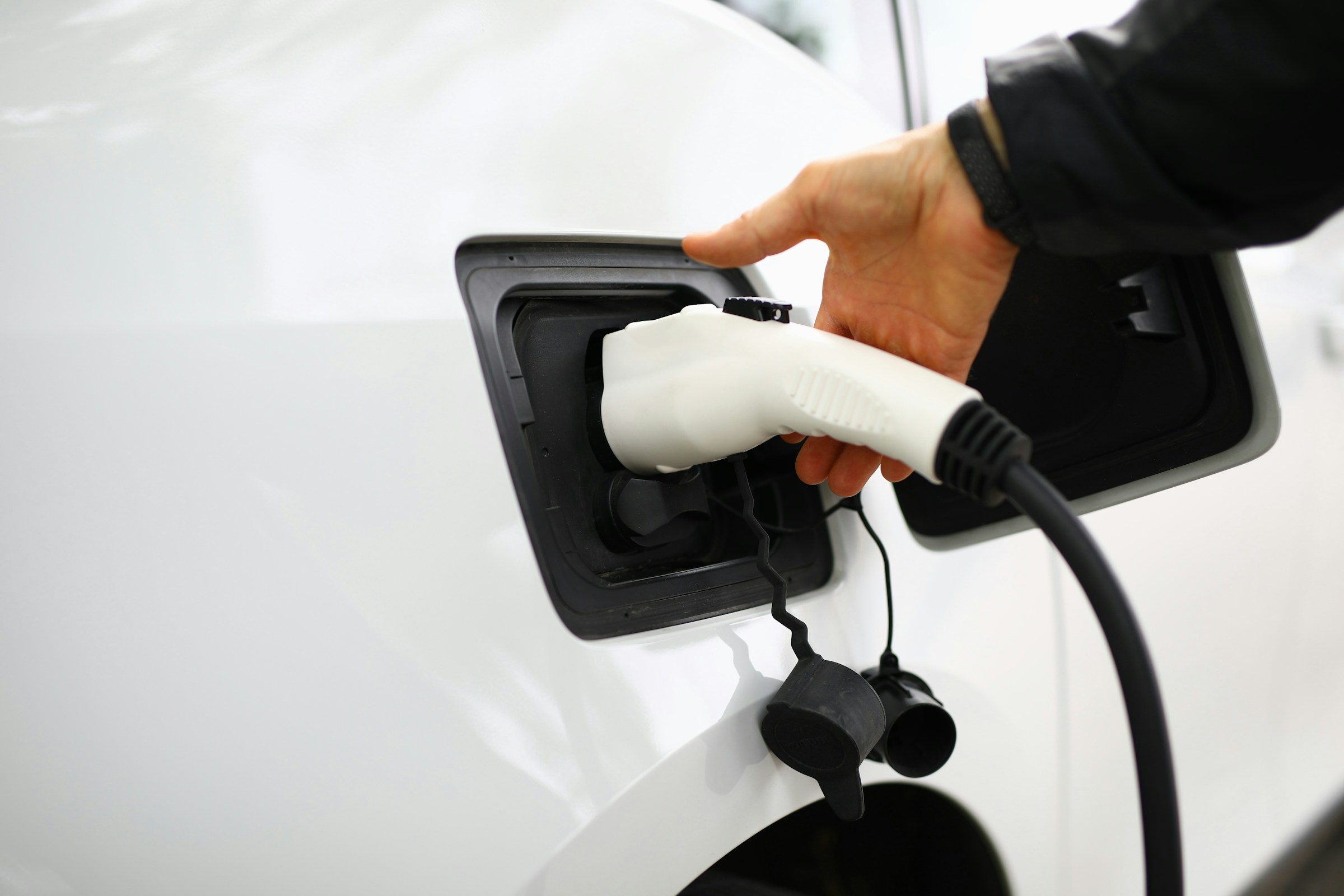
Anyone who got a new car with a big red ribbon on it over the holidays will probably need to gas it up over the coming year rather than recharge. Electric vehicle sales likely dipped 37% in the last three months of the year, experts say, after spiking in the third quarter as buyers rushed to take advantage of an expiring tax credit of up to $7,500 from the Biden era.
EV sales jumped 30% in the three months through September from the same period a year earlier, reaching 427,000, according to Cox Automotive. Just 230,000 new EVs are expected to make it off the lot this holiday season, however. And Q4 is only the start of a downturn: The pace of EV sales will probably keep slowing next year.
That’s because price is a deciding factor in Americans’ shopping decisions, especially as they cope with a climbing cost of living, a stunted job market and slow wage growth. A new EV is simply more expensive than alternatives.
Going Green Can Cost a Lotta Green
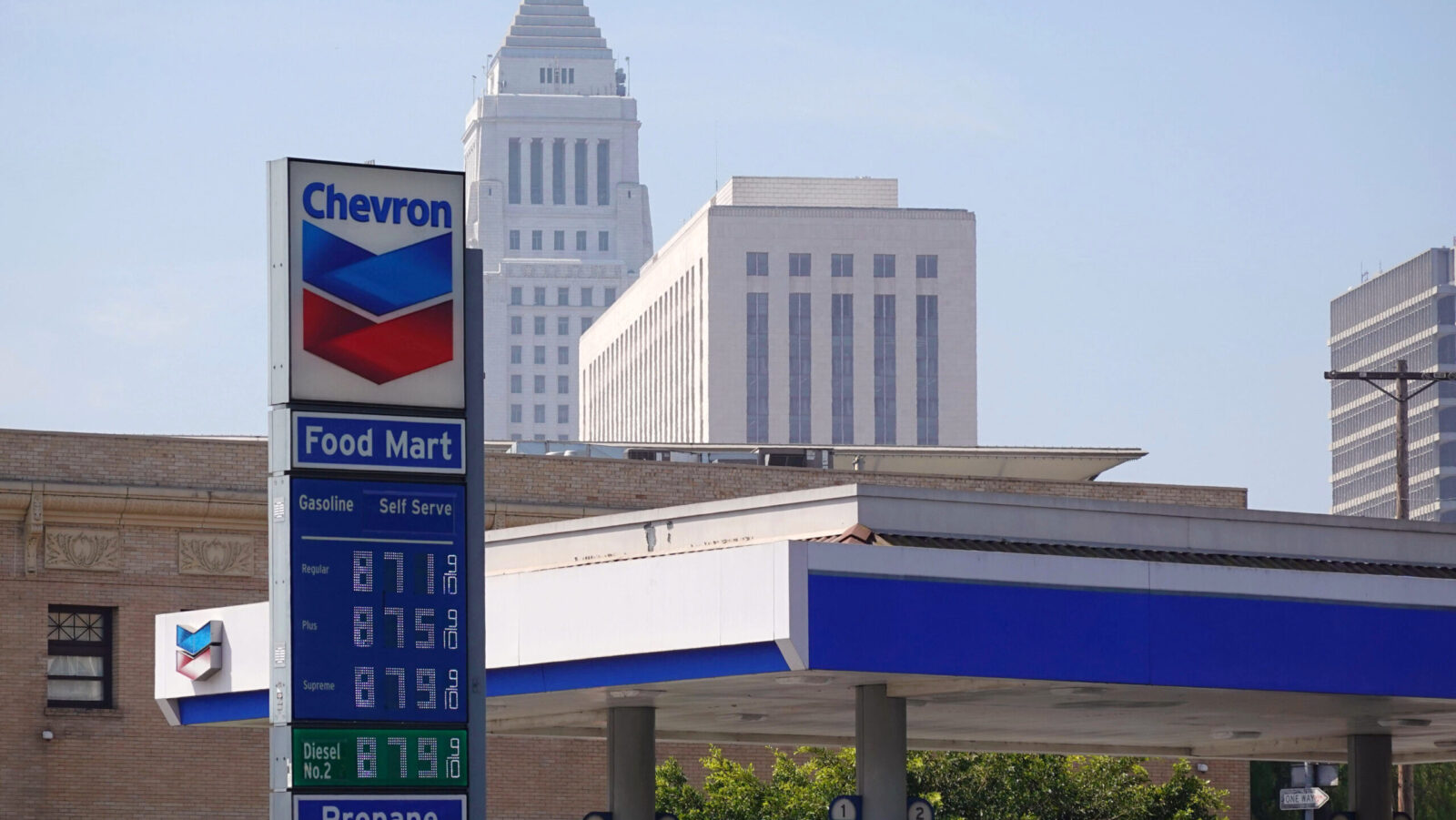
Electric vehicles cost about $57,000 on average in the US as of August, a more than $9,000 premium over old school gas-guzzlers, Kelley Blue Book found. Just nine available EV models cost $40,000 or less, compared with 56 gas-powered cars. The solution for buyers: used cars. While the outlook for new EV sales is bleak, those of used EVs may surge:
- Best-selling used EVs, including the Tesla Model 3, Tesla Model Y and Chevrolet Bolt EV, all sold for less than the market average in August, and 14 EVs cost less than their gas counterparts, per Cox. But sales of old Teslas with “Anti Elon Tesla Club” bumper stickers and other used EVs don’t boost the companies that made the cars.
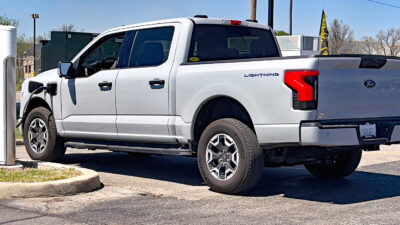
- Ford said in mid-December that it’ll halt production of its Ford F-150 Lightning and focus instead on building a line of cheaper EVs, including a $30,000 pickup. At the same time, automakers are making a compromise between gas and electric: hybrids.
Middle lane: EV projections were overblown, in part because hybrids — with their lower prices and longer ranges — have appealed more to consumers than expected. As countries like the US have downshifted their EV-promoting policies, carmakers have lost the incentive to churn out EVs and are focusing more on their hybrid lineups. Ford, for instance, plans for half of its global volume to consist of hybrids and other EVs by 2030, a big jump from less than a quarter this year. Climate activists say how much hybrids help the environment is unclear because they don’t know how often the cars run on gasoline vs electricity. Plus, some drivers don’t charge their plug-in hybrids, meaning they use more gas to move around a heavy battery.
Recent News



-
Will MANGO Inherit Magnificent 7’s Market Dominance?

Photo illustration by Connor Lin / The Daily Upside
-

Photo via Chen Mengtong/China News Service/VCG/Newscom


-
Who Will Win the Robotaxi Wars?
Photo illustration by Connor Lin / The Daily Upside, Photos via Waymo, Zoox, and Tesla