Severe US Cattle Shortage Eats Into Meatpacker Tyson’s Earnings
The 28.5 million beef cows as of July 1 marked the lowest headcount since tracking began in 1971 and represented a 1% year-over-year decline.
Sign up for smart news, insights, and analysis on the biggest financial stories of the day.

America has the fewest cattle in three (human) generations. The resulting higher beef prices would be a blessing for the meat industry, were it not for the fact that operating expenses have swarmed balance sheets like horn flies to a herd.
The latest to report on the phenomenon was Tyson Foods, which trimmed its outlook like a tenderloin on Thursday. Shares fell 7.3%, while rivals Smithfield Foods and JBS tumbled 1.6% and 3%, respectively.
Unfortunate Misteaks
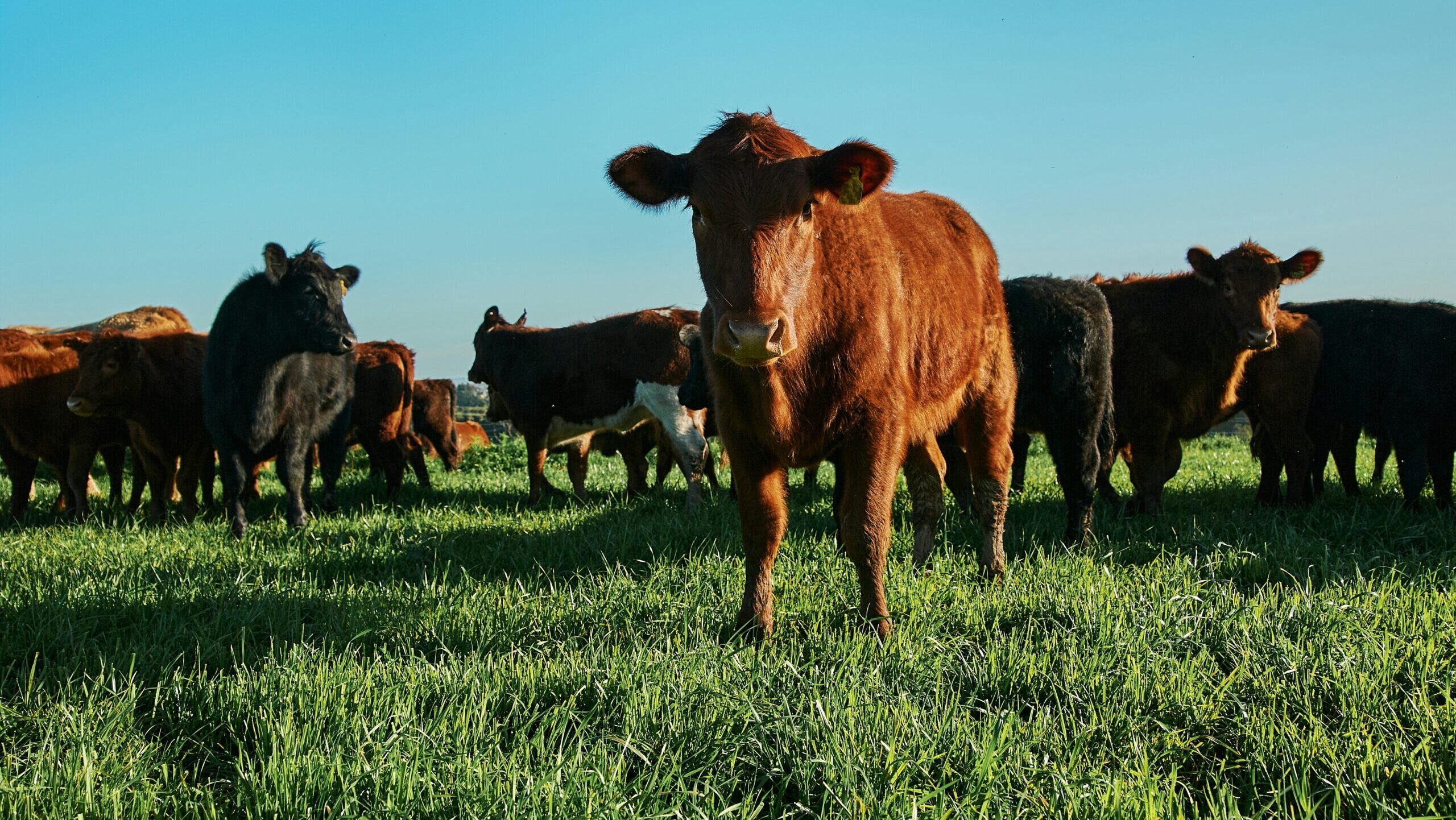
This story starts with the US cattle herd, which is at a 75-year low, according to the latest US Department of Agriculture data. The 28.5 million beef cows as of July 1 marked the lowest headcount since tracking began in 1971 and represented a 1% year-over-year decline. For consumers, the herd shortfall has pushed beef prices up 70% since 2020. But ranchers have little incentive to rebuild because high prices are the one thing helping them protect the other thing vanishing before their eyes: margins.
As America’s largest meatpacker, Tyson is in the crosshairs of the crisis. The company has said the operating margin of its beef segment was negative 4.3% in the first nine months of the year. Downsizing hasn’t closed the gap yet, and earnings remain under pressure:
- Tyson expects its beef segment to lose $625 million to $775 million in 2026, more than its previous estimate of $500 million to $650 million. Overall, the company slashed its annual income forecast to $1.85 billion to $2.05 billion, from the previous $2.1 billion to $2.3 billion.
- The Trump administration has attempted to lower beef prices, most recently agreeing to allow 300,000 metric tons of duty-free beef imports for 90 days from September 1, on the condition that it is sold at “25% below the market price.” But, as CNN reported, this only represents about 2% of domestic beef consumption.
Herd the News? Earlier this week, the US Department of Agriculture announced a series of federal initiatives it hopes will support herd growth and end a cyclical contraction that began in 2019. Among them is a mechanism allowing ranchers to insure the value of cattle retained for breeding for two years.
Recent News
-
How the Price of Chocolate Got Scary High

Photo illustration by Connor Lin / The Daily Upside, Photos by Oleh Muslimov via iStock