Unilever’s Grocery Deal with McCormick Draws Sour Reaction from Investors
Tuesday’s deal would see Unliver “sharpening” into a $45 billion “pure play” in global beauty, wellness, and personal and home care.
Sign up for smart news, insights, and analysis on the biggest financial stories of the day.

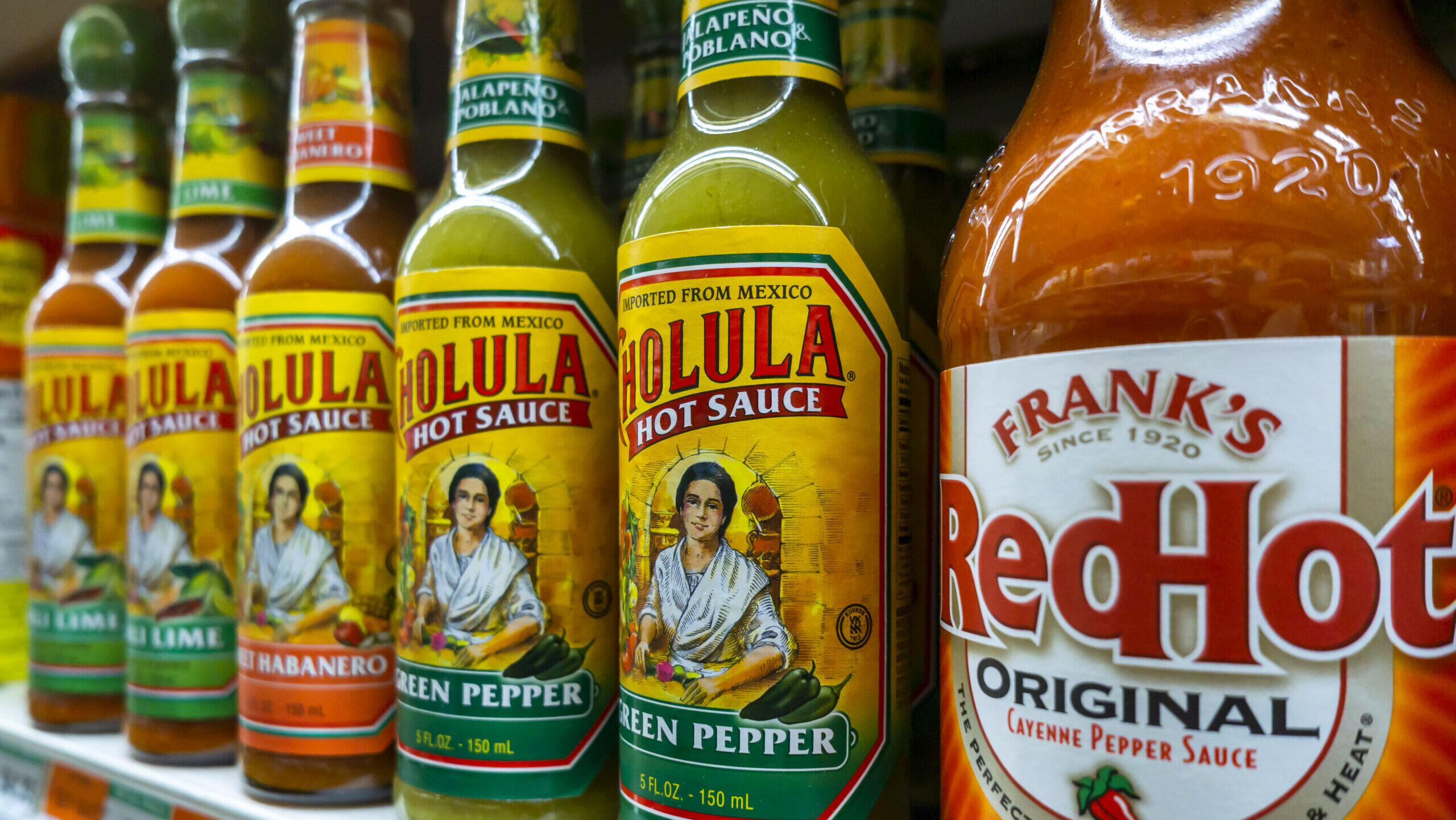
Anglo-Dutch multinational Unilever agreed Tuesday to combine its food division with spice maker McCormick. The cash-and-stock deal would create a company with roughly $20 billion in annual revenue and a pantry’s worth of brands, including French’s mustard, Hellmann’s mayonnaise, Old Bay seasoning and Knorr soup mixes.
Investors are not biting. Shares in Unilever fell 7.3% in London, and McCormick sank 6.3% in New York, erasing billions in market value. Here’s why investors were left with a bad taste in their mouths.
End of an Era
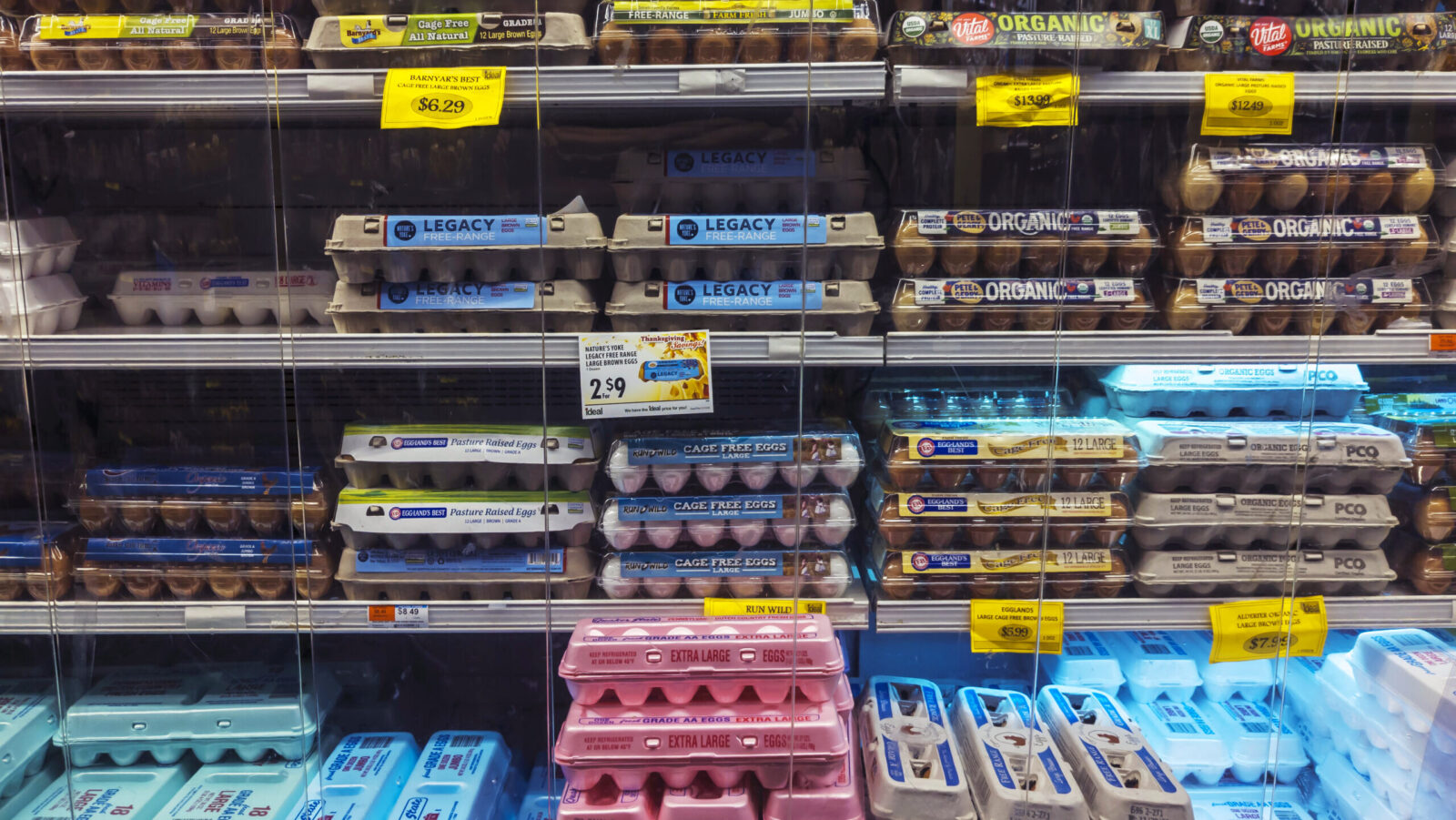
There’s been a lot for big food conglomerates to digest lately. Less affluent customers have curbed spending and switched to store brands after years of inflationary price hikes turned grocery shopping into a ritual slap in the face for many. And with the proliferation of GLP-1 weight-loss drugs, which Cornell researchers found result in an average 5.3% decline in household grocery spending, many people are simply buying less food. That leaves companies trying to eke out a more profitable foothold in this fickle environment.
In February, PepsiCo said it was cutting snack prices after earlier hikes triggered a backlash. Kraft Heinz pulled the plug on a planned breakup after sales deteriorated so much that the spinoff’s investor appeal waned. Others successfully closed acquisitions, like Mars’ purchase of Kellanova and Ferrero’s deal for WK Kellogg. And still others, like Campbell’s, General Mills and JM Smucker, have divested brands. For its part, Unilever spun off its ice cream business.
Tuesday’s deal would see the firm “sharpening” into a $45 billion “pure play” in global beauty, wellness and personal and home care, a noteworthy development considering Unilever has been in the food business for almost a century. But some investors worry McCormick is biting off more than it can chew:
- While McCormick will pay Unilever $15.7 billion in cash and $29.1 billion in stock equivalent for the Anglo-Dutch firm’s food arm, Unilever and its shareholders will receive 65% of the combined company.
- The deal is structured as a tax-friendly Reverse Morris Trust, which essentially allows a spinoff that’s being acquired in theory to own the majority of the new entity. Barclays estimated the value of Unilever’s food business, which is dominated by Hellmann’s and Knorr, to be $32.3 billion to $35.8 billion, more than double McCormick’s $14.2 billion market capitalization.
Take Your Pick: Analysts at RBC, left “unimpressed,” wrote: “What we really can’t get our heads round is why is Unilever disposing of a business dominated by two brands, of which it owned 100%, for a minimal control premium and leaving its shareholders with a 55% shareholding in a sprawling food business.” On the other hand, Deutsche Bank analysts said the new McCormick could have “a path to potentially transformative scale” and give the spice maker added punch via the condiment market, a rare bright spot for food conglomerates.