Clean Energy Regains Its Swagger as Hedge Against Wartime Oil Crisis
The iShares Global Clean Energy ETF jumped more than 5% last week, exceeding the oil-and-gas-focused Vanguard Energy ETF’s 1.3% gain.
Sign up for smart news, insights, and analysis on the biggest financial stories of the day.

The term “alternative energy” has become a misnomer during the biggest oil disruption in history. “Contingency” might be better. But “necessity” also looks increasingly accurate.
With the Strait of Hormuz effectively sealed and oil prices around $100 per barrel by week’s end, global power players are rediscovering a love for solar, wind and other clean alternative energy sources that can’t so easily be blockaded. So there’s a national security case for clean energy. Yes, another national security case for clean energy, outside of climate change.
Where the Wind Blows
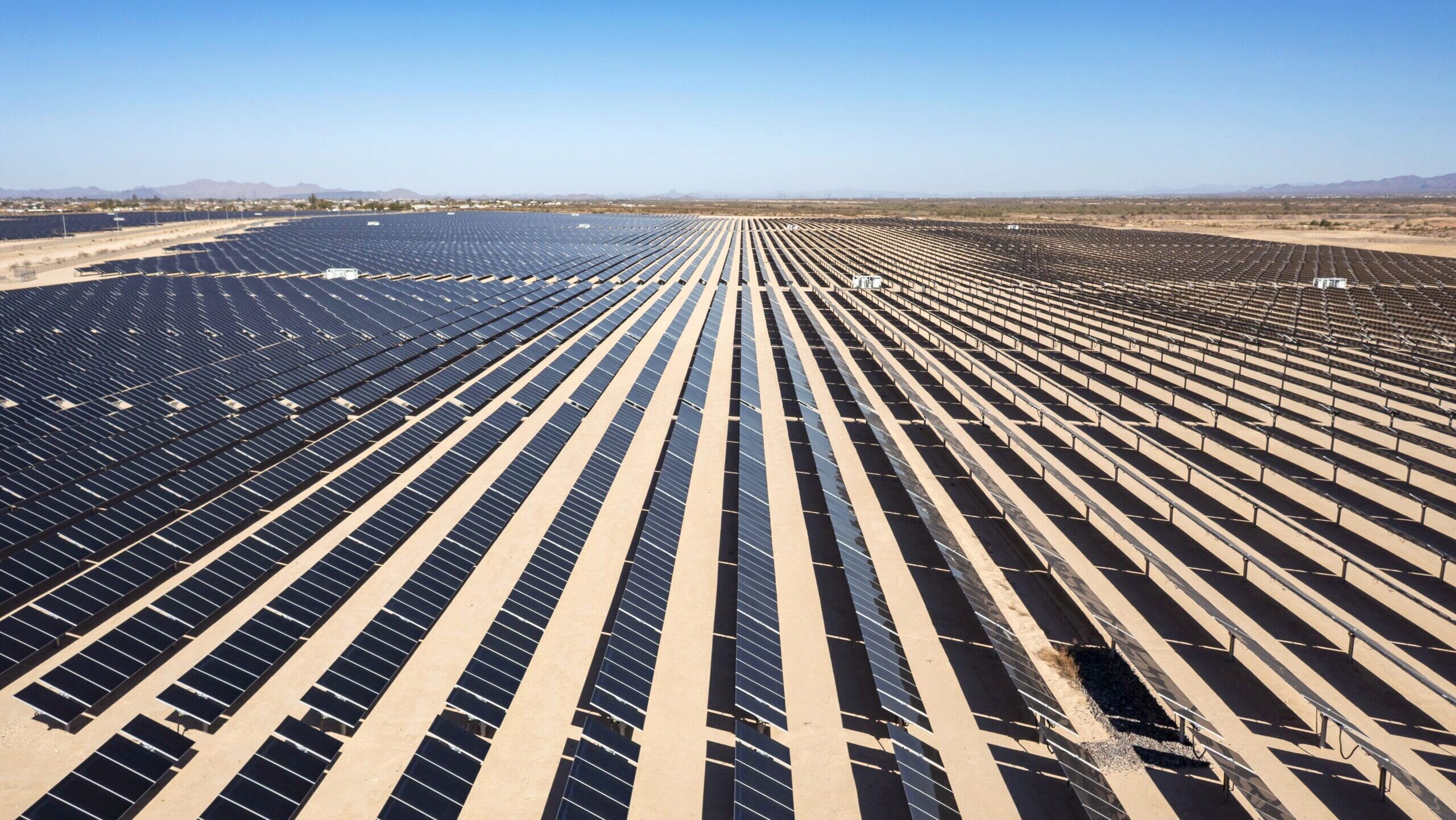
In a report last week, analysts at BloombergNEF projected that global solar installation growth this year, previously expected to be flat from last year’s record 655 gigawatts in added capacity, could widen if oil and gas supply disruptions continue. Global investment in clean energy already jumped to a record $780 billion last year, according to the International Energy Agency. That outpaces investment in oil and gas infrastructure and continues a ramp-up in clean energy investment in the name of energy independence after Russia invaded Ukraine in 2022 and the start of a US-led trade war.
The current supply shock has regular people rethinking their energy mix just as much as world governments:
- Homeowner requests for quotes on solar installations jumped 17% in the first 11 days of the conflict compared with the 11 days prior, according to online clean energy marketplace EnergySage. Meanwhile, Edmunds says searches for EVs and hybrids have also ticked up.
- Wall Street has taken note: The iShares Global Clean Energy ETF jumped more than 5% last week, exceeding the oil-and-gas-focused Vanguard Energy ETF’s 1.3% gain as the fossil fuel industry lagged uncharacteristically far behind oil prices.
Take Your Lumps: On the other hand, the conflict in Iran has pushed some countries to increase their reliance on an energy source far dirtier than oil and gas: coal. In fact, the price of coal on the Rotterdam market has climbed roughly 20% in the past month, reaching its highest point in the past 12 months.
Recent News

-

Photo via Chen Mengtong/China News Service/VCG/Newscom