JPMorgan Warns of ‘National Security Risk’ from Aging Power Grid
The grid is already being tested by the massive demand for data centers to support the artificial intelligence boom.
Sign up for smart news, insights, and analysis on the biggest financial stories of the day.

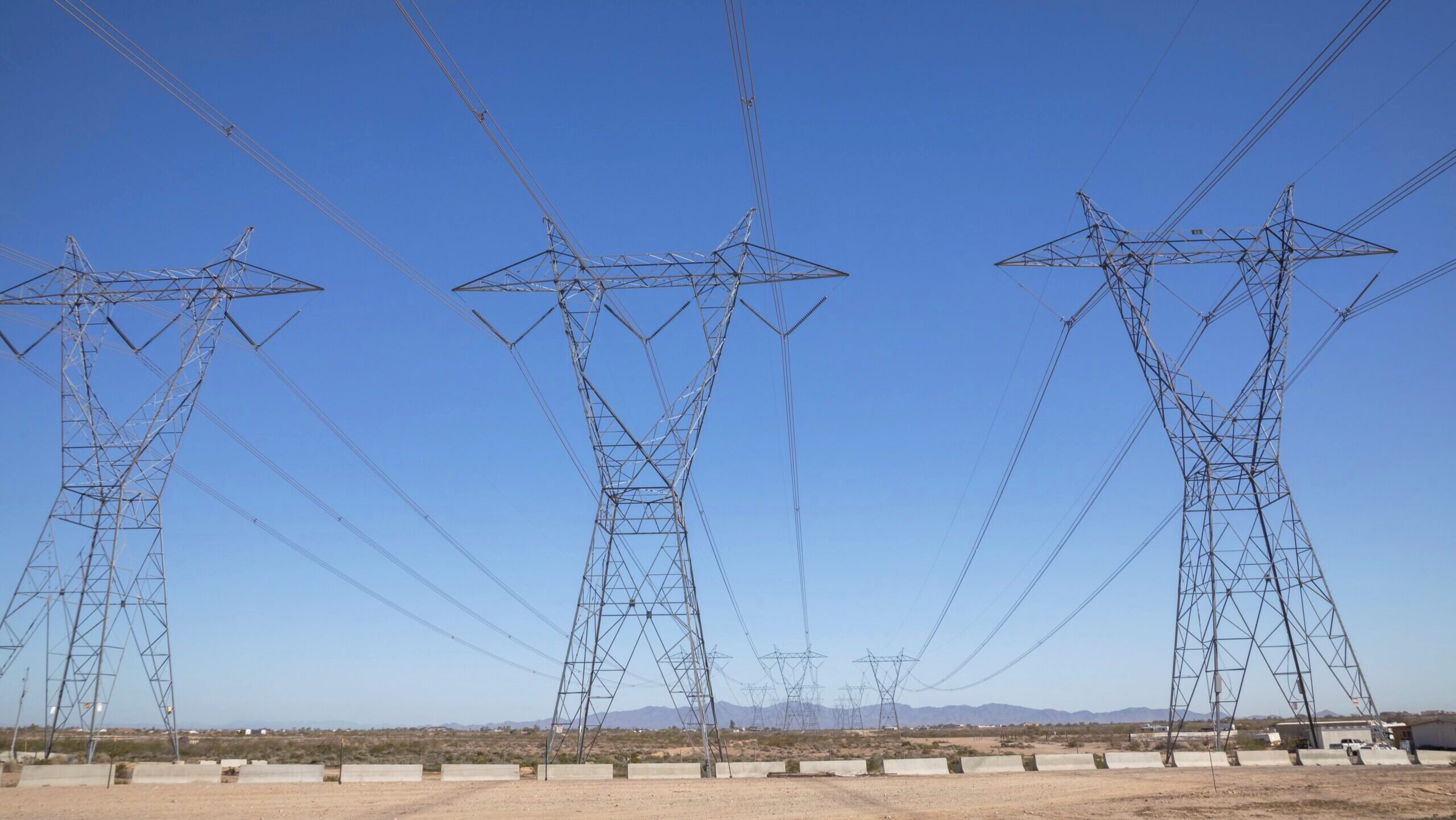
The Great Blackout is the next big trade, at least according to JPMorgan, which calls the aging US power grid a “national security risk” and says it’s betting on the solution.
On the Power Play
JPMorgan’s concern is not new. Last October, the bank announced a security and resiliency initiative to facilitate $1.5 trillion in financing and investments to industries critical to national security over the next decade. The bank pledged $10 billion of its own capital. Alongside AI, defense technology, pharmaceutical supply chains, and access to critical minerals, JPMorgan identified grid resilience as one of the initiative’s priorities.
There’s ample evidence to support the concern. For one, the grid is already under strain from data centers required to support the AI boom. Earlier this month, analysts at Wood Mackenzie said plans for US data center additions fell by half in the fourth quarter of 2025 from the third quarter, in part because the grid is nearing its limit. Projected capital spending growth by the largest grid developers, the consultancy added, is poised to slow this year for the first time since 2023, to $94 billion or 58% less than 2025. JPMorgan’s own research cited Energy Department projections that AI data centers could require an additional 100 gigawatts of peak capacity by 2030.
But the problem is more than turbocharging AI. The North American Electric Reliability Corporation found in January that utilities are retiring coal and gas plants without adding enough capacity to meet growing demand, increasing the risk of dangerous blackouts. “We are headed for a reliability crisis, except now the crisis is not over the horizon, but across the street,” Mark Christie, the director of William & Mary Law School’s Center for Energy Law, tweeted. JPMorgan’s global climate advisory chief, Sarah Kapnick, who authored the bank’s new report warning of the grid security risk, told Bloomberg News that the risk also means a potential windfall:
- Global grid spending increased to $480 billion in 2025 from $300 billion in 2020, and $5.8 trillion is expected to be spent in the decade through 2035 ($1 trillion in the US), according to JPMorgan.
- In November, JPMorgan was joint bookrunner on a $5 billion financing package for Texas-based VoltaGrid, which makes natural gas-powered microgrids for AI companies.
Shock Stocks: Shares in many grid-sector companies have significantly outperformed the S&P 500’s 4.2% decline this year, with one key ETF up more than 8%. Energy equipment manufacturer GE Vernova has risen 39%. Duke Energy and American Electric Power, two of the largest publicly traded US grid operators, are up 8.7% and 11.7%, respectively.
Recent News



-

Photo via Chen Mengtong/China News Service/VCG/Newscom