Amazon’s $11B Globalstar Deal Fuels Project Leo’s Pursuit of Starlink’s Contrails
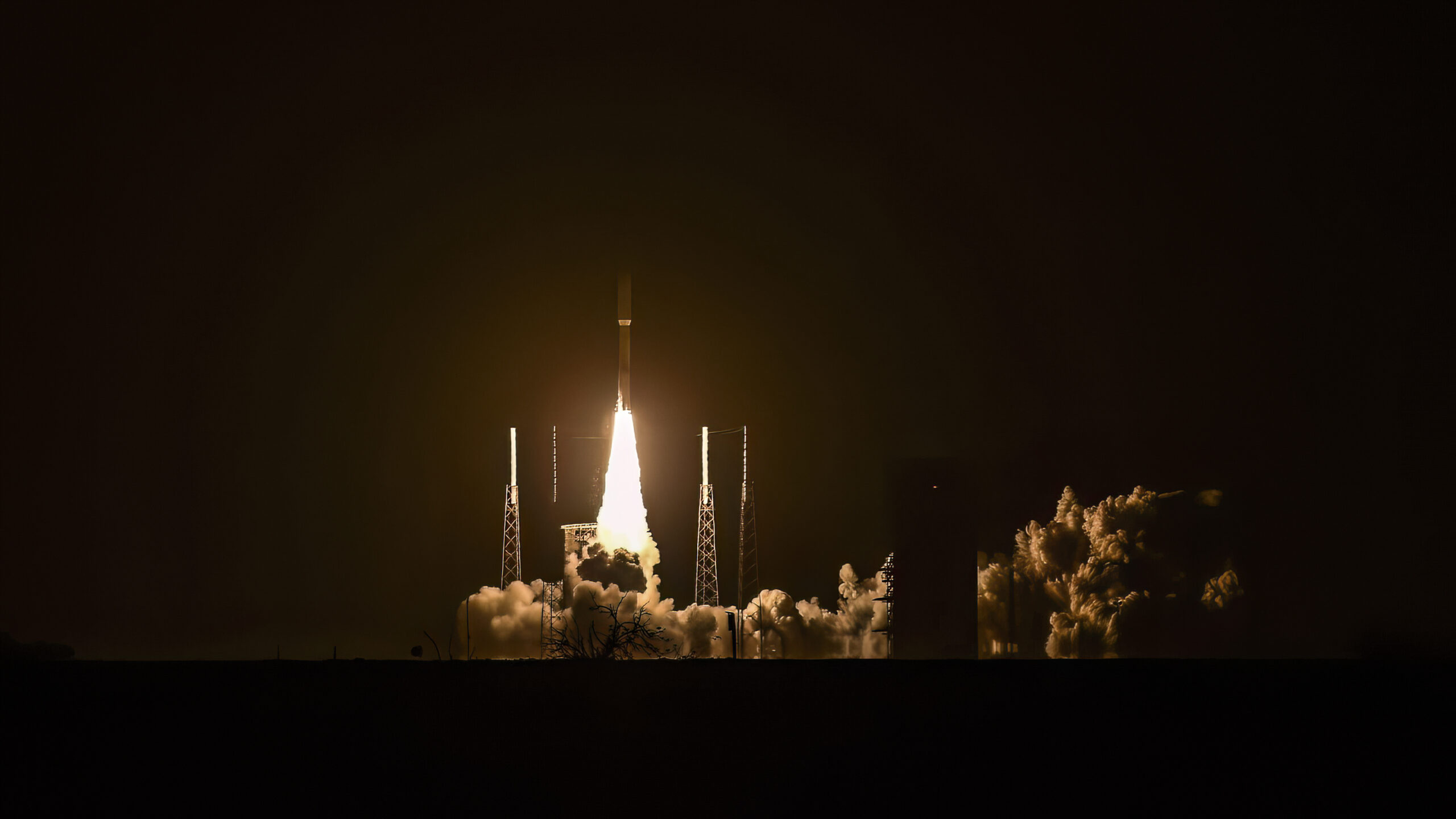
Amazon’s Leo has 242 satellites in orbit and plans to start rolling out its service to some customers this year.
Sign up for smart news, insights, and analysis on the biggest financial stories of the day.

The billionaires are at it again, as Elon Musk’s Starlink and Jeff Bezos-owned Amazon Leo battle for satellite dominance in the stars.
Starlink is light-years ahead of Amazon’s Project Leo (an acronym for low Earth orbit), previously Project Kuiper. But Leo’s preparing to pounce, last week announcing an agreement to buy Globalstar for a whopping $11.6 billion. The transaction’s expected to close next year.
Globalstar has only 24 satellites in orbit, but what it lacks in metal it makes up for with GPS tracking tech and global licenses that allow its satellites to connect directly to devices. Those licenses could help Amazon race toward actually launching its satellite internet service, slated to go live later this year.
The Race to Fill Space
Project Leo is barely a Padawan compared to Jedi Master Starlink, which serves more than 10 million customers with about 10,000 operational satellites. Starlink is valued at $1 trillion, making up the bulk of SpaceX’s reported IPO goal of $1.75 trillion.
Leo, meanwhile, has only 242 satellites in orbit and plans to start rolling out its service to some customers this year. But Leo’s service could grow rapidly if it taps into Amazon’s 200 million Prime members.
And the rival billionaire-led companies have ambitions that go beyond rural cell reception. They’re also exploring how their spacecraft can be used as AI data centers:
- As data centers tap massive amounts of energy and land down on Earth, a growing number of companies are exploring how to shoot them into the sky. Musk has said upgraded Starlink satellites could take on AI computing needs, while The Wall Street Journal reported late last year that Bezos-owned Blue Origin has quietly been working on the tech to put its own AI data centers into orbit.
- Planet Labs, a company in which Google has invested and a collaborator in one of its moonshots, aims to launch two satellites next year that’ll process AI while in orbit. OpenAI and IBM have also explored similar satellite technology.
Space Real Estate: The infrastructure that connects Americans is still mostly cell towers poorly disguised as trees and underground cables contending with real trees’ roots. Eight in 10 US households have access to cable for their internet service, and most calls are routed through towers. That won’t change in a single satellite orbit around the Earth. Data centers, on the other hand, are being built at a rapid clip and actively uglifying their neighborhoods, which could slow if some computing is outsourced to space.