Nvidia Introduces PCs Made for Agentic AI Power-Users
Running AI agents around the clock can consume hundreds of millions, or even billions, of tokens (units of data) a week.
Sign up for smart news, insights, and analysis on the biggest financial stories of the day.

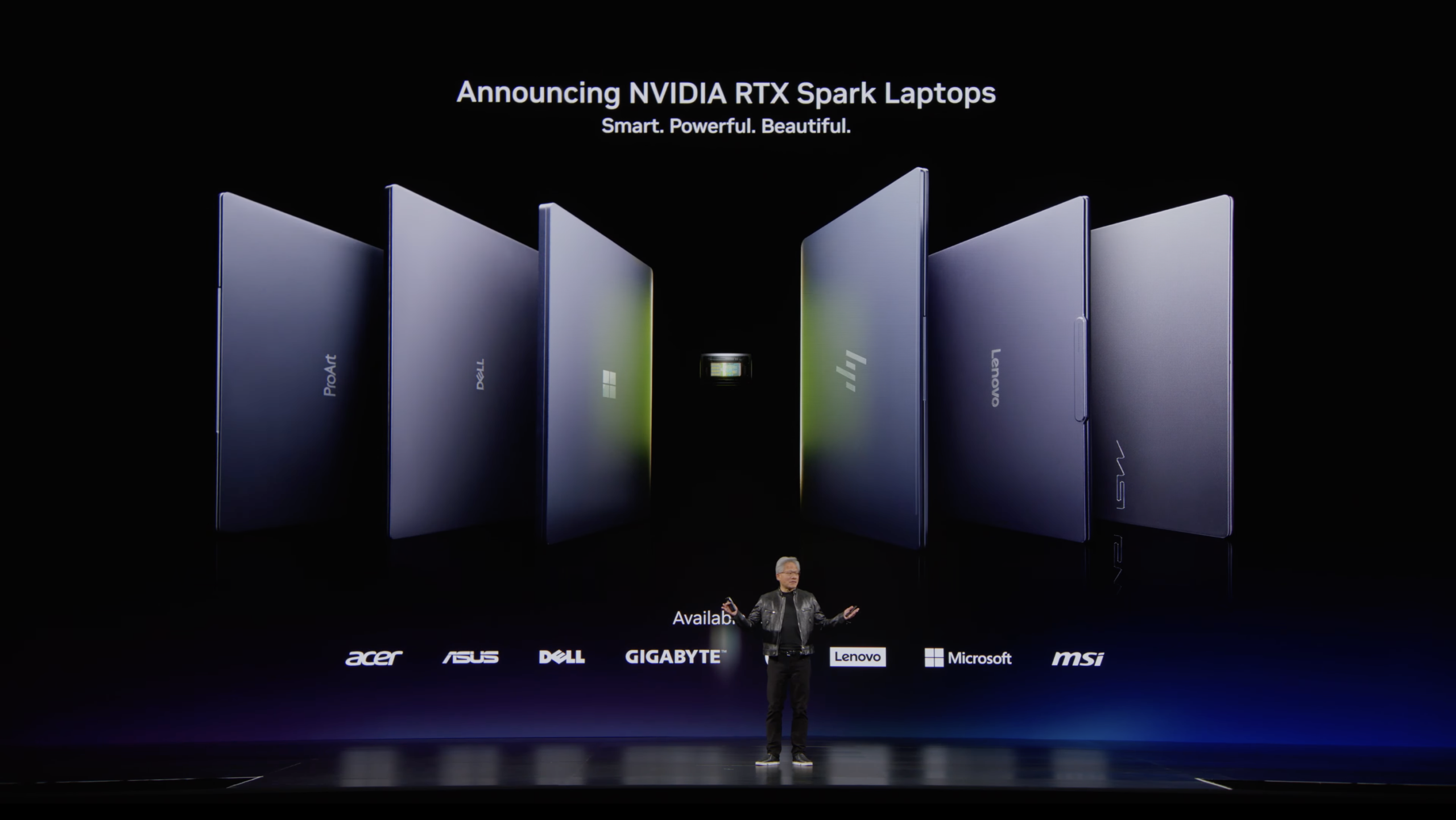
Move aside, Mac Mini. Nvidia is making PCs specifically designed for running AI agents, CEO Jensen Huang announced Monday at a tech conference in Taipei.
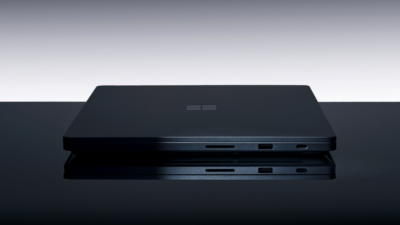
Nvidia is introducing a new chip, the RTX Spark, to power its small-but-mighty laptops (the smallest model weighs three pounds and measures 14 millimeters). The chip, which Nvidia called “the most efficient PC chip ever built” will eventually become the backbone for 30 laptop models and 10 desktops. And to build its new fleet, Nvidia will assemble the Avengers of the PC world: Dell, Lenovo, Microsoft, HP, Asus and MSI.
Beyond the Chat
While asking ChatGPT to rate your facial symmetry from 1 to 10 is fun, the AI use-case that could actually generate GDP happens off-chat. Huang said AI agents running on Nvidia’s laptops could be told, for instance, to monitor a software engineer’s project and automatically fix issues. They’re also often used for boring tasks like reading and replying to emails or sorting through files.
But while a workforce full of AI agents isn’t going to ask for better health insurance or unlimited soft drinks in the breakroom, they rack up costs of their own. Users are struggling to find tech that can handle workloads in a cost-effective way:
- Running AI agents around the clock can consume hundreds of millions, or even billions, of tokens (units of data) a week. When users outsource the work to cloud providers like Amazon Web Services, they quickly rack up costs. Running AI locally on a powerful PC saves tokens.
- Home users scooped up Mac Minis this year as a creative and cost-effective solution for running AI agents locally, causing stores like Best Buy to sell out of the little silver hockey puck and Apple to raise its price. Nvidia’s laptops could meet that overwhelming demand if users are willing to pay a little (potentially a lot) more.
Work From Home: Nvidia’s push into PCs gets back to the company’s consumer-electronics roots. While supplying chips to data centers now makes up the majority of the company’s revenue, putting its name on the desks of AI’s most prolific users could earn Nvidia something priceless: clout.