
Good morning.
That’s what you’re wearing?
Suspenders and oversized shoulder pads may have defined Wall Street style in the 1980s, but office fashion has relaxed considerably since then. Today, the goal for wealth managers is to dress in a way that doesn’t intimidate clients.
“Instead of specific pieces, think about who your audience is and dress accordingly,” Alison Bruhn, co-founder of image consultancy The Style That Binds Us, told InvestmentNews. A client in Miami may expect something very different from one in Boston. Her partner, Delia Folk, added that advisors should avoid going overboard with logos. Above all, clothes should fit properly. Even a budget suit or dress can fit well with tailoring, Bruhn said.
Does that mean we have to upgrade those Covid-era sweatpants?
Schwab Scraps its Premium Robo Advisor Platform
Another one bites the dust.
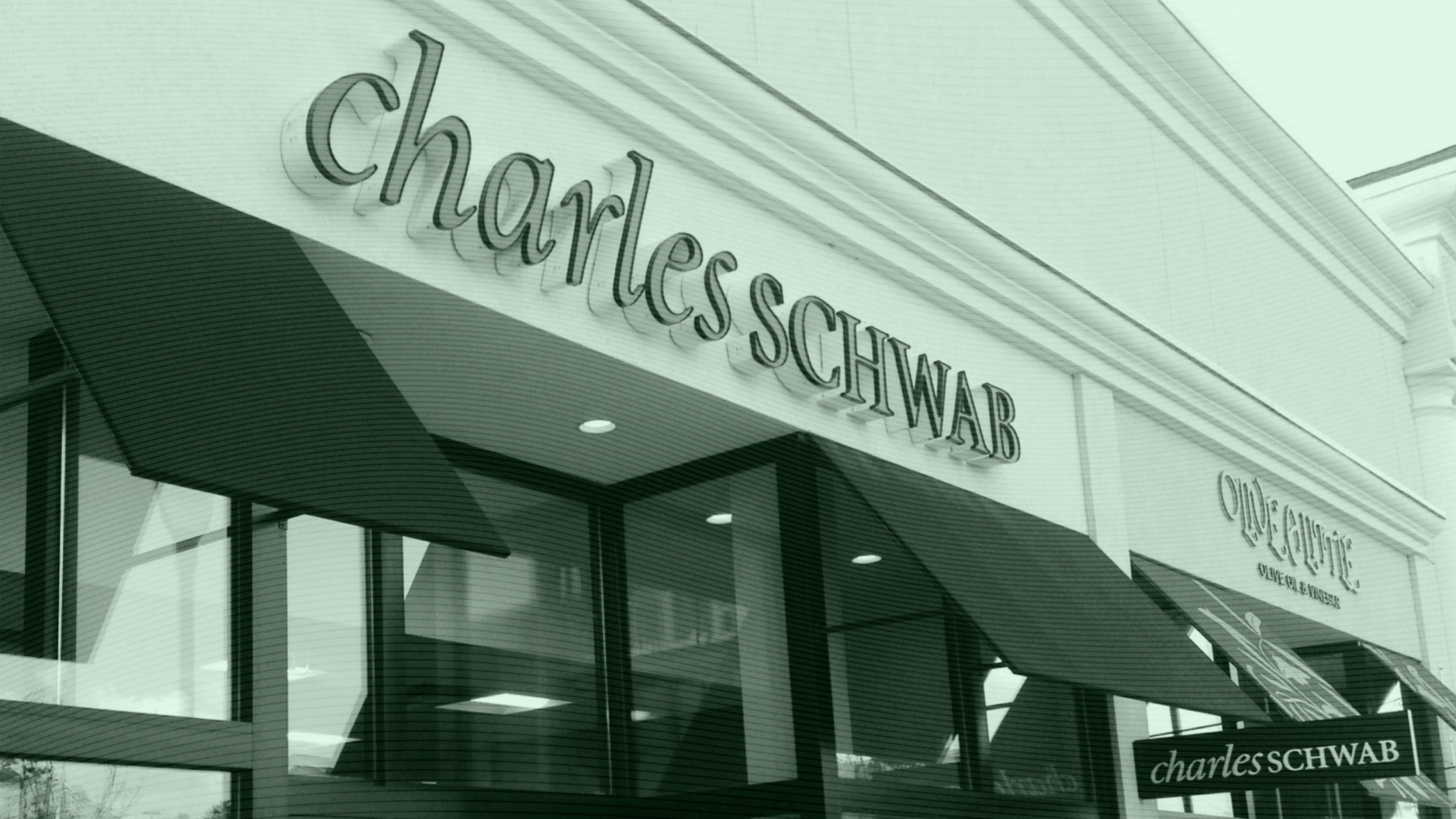
Schwab will shut down its premium service combining digital advice and human advisors, Schwab Intelligent Portfolios Premium, at the start of next year. The discount brokerage will continue to offer its core, online-only service, Intelligent Portfolios, which has a $5,000 minimum and doesn’t charge a fee. It’s the latest example of traditional banking giants abandoning their robo aspirations, coming on the heels of similar announcements from UBS and US Bank. But Schwab’s move marks the first major example of a bank tossing just its premium service, as opposed to throwing the whole robo baby out with the bathwater.
“A bulk of [Schwab’s] assets were at the Intelligent Portfolios, digital-only tier,” said David Goldstone, manager of investment research at Condor Capital, which publishes a quarterly report on robo-advisors. “I won’t be surprised if Schwab decides to refocus on their [core] offering as it exits the hybrid, premium tier.”
Cash Cow
Schwab was one of the first major brokerages to enter the robo space, launching Intelligent Portfolios in 2015. Since then, the non-premium service has garnered more than $80 billion in assets. A main reason for shuttering the top-tier service is that hybrid offerings, which combine human and digital advice, are much more difficult to scale, Goldstone said. What makes Schwab different, he added, is that it was able to scale its basic product. “If you have a hybrid offering where you’re offering live advisors, more so than just phone support or chat, it doesn’t scale nearly as well,” Goldstone said. “For Schwab Intelligent Portfolios Premium, as you added clients, you also had to add staff. You had to add CFPs to be able to support those clients.”
Schwab’s basic service, rather than charging a fee, has a high cash allocation, which it sweeps into accounts that generate interest for the bank. This allocation hovers around 10%, Goldstone said, but varies depending on the selected risk tier. The strategy allows Schwab to earn money on its automated accounts. “It’s not directly a fee, but that’s what the business model is, is like generating a bunch of cash … I’m not a big fan of it,” he added. “I would rather see a pretty transparent fee on the AUM instead of holding back performance by investing a ton in cash.”
What Now? Schwab is still a major player in the incumbent robo offering space, or products that are offered as part of a larger, long-standing bank or brokerage. Vanguard maintains both its digital and hybrid offerings, and among independent products, Betterment and Wealthfront take the lead. “There’s still quite a few out there,” Goldstone said. “There’s been some closures, but most of the major banks launched one of these, and [only] a couple of them have shut them down.”
- Save hours on alts data. Get the Canoe e-book now.
- Discover how Alternative ETFs are reshaping portfolios — Download the report.
How Advisors Are Giving Back This Holiday Season

‘Tis the giving season, but that’s not necessarily exclusive to Chrismahanukwanzakah.
The holidays are a time when many choose to lend a hand and give back. Advisors, who tend to be more financially well off than most Americans, feel a real compulsion to help out their communities. However, that commitment is often year-round. “My family relied on food assistance when I was a kid in the early 1980s, and I still remember the big blocks of cheese and sacks of rice that got us through,” said Patrick Huey, founder of Victory Independent Planning. Now, Huey is highly engaged in charity work, donating his time, money and expertise to food pantries in Florida.
“I don’t think of this as a December-only activity,” he said. “The holidays are a natural reminder, but hunger isn’t seasonal.”
An Advisor’s Work Is Never Done
Perhaps the most natural way advisors give back is pro bono work:
- Last year, certified financial planners reported nearly 18,000 hours in pro bono work, according to the CFP Board.
- Some 17% of all CFPs volunteered their services, a 16% increase from the year prior.
Vered Frank, founder of StackWealth, divides her time between Eve Wealth and the non-profit Savvy Ladies, two groups that aim to help women build financial education and independence. Additionally, she volunteers at two dog shelters. “While the conversations and situations I encounter through volunteering — whether with people or dogs — can sometimes be difficult, the act of helping others gives me a deep sense of purpose,” she told Advisor Upside, adding she plans to do even more pro bono work next year and is currently enrolled in an IRS-sponsored program offering tax counseling for the elderly.
Practice What You Preach. Many advisors also do exactly what they recommend to their clients. Catherine Valega, founder of Green Bee Advisory, said she personally and professionally likes donor-advised funds, charitable accounts that give owners immediate tax deductions. “Each year around Thanksgiving, I ask my four daughters to research their non-profit of choice for the year, and our DAF makes gifts,” she told Advisor Upside. “That gives me so much joy, knowing that I’m instilling a sense of philanthropy early.”