

Good morning.
Their great-great-great-grandchildren can already taste those silver spoons.
The world’s 500 richest families added a record $2.2 trillion to their collective wealth, according to Bloomberg, pushing total fortunes to nearly $12 trillion, after a banner year for equities in 2025. About a quarter of those gains went to just eight billionaires, including: Larry Ellison, Elon Musk and Jeff Bezos. That’s actually a smaller share than in 2024, when the same group accounted for 43% of the increase.
It’s like the world’s wealthy always say: Sometimes, you win. Sometimes, you win a little less.
Caroline Crenshaw’s SEC Exit Leaves Behind an All-Republican Commission
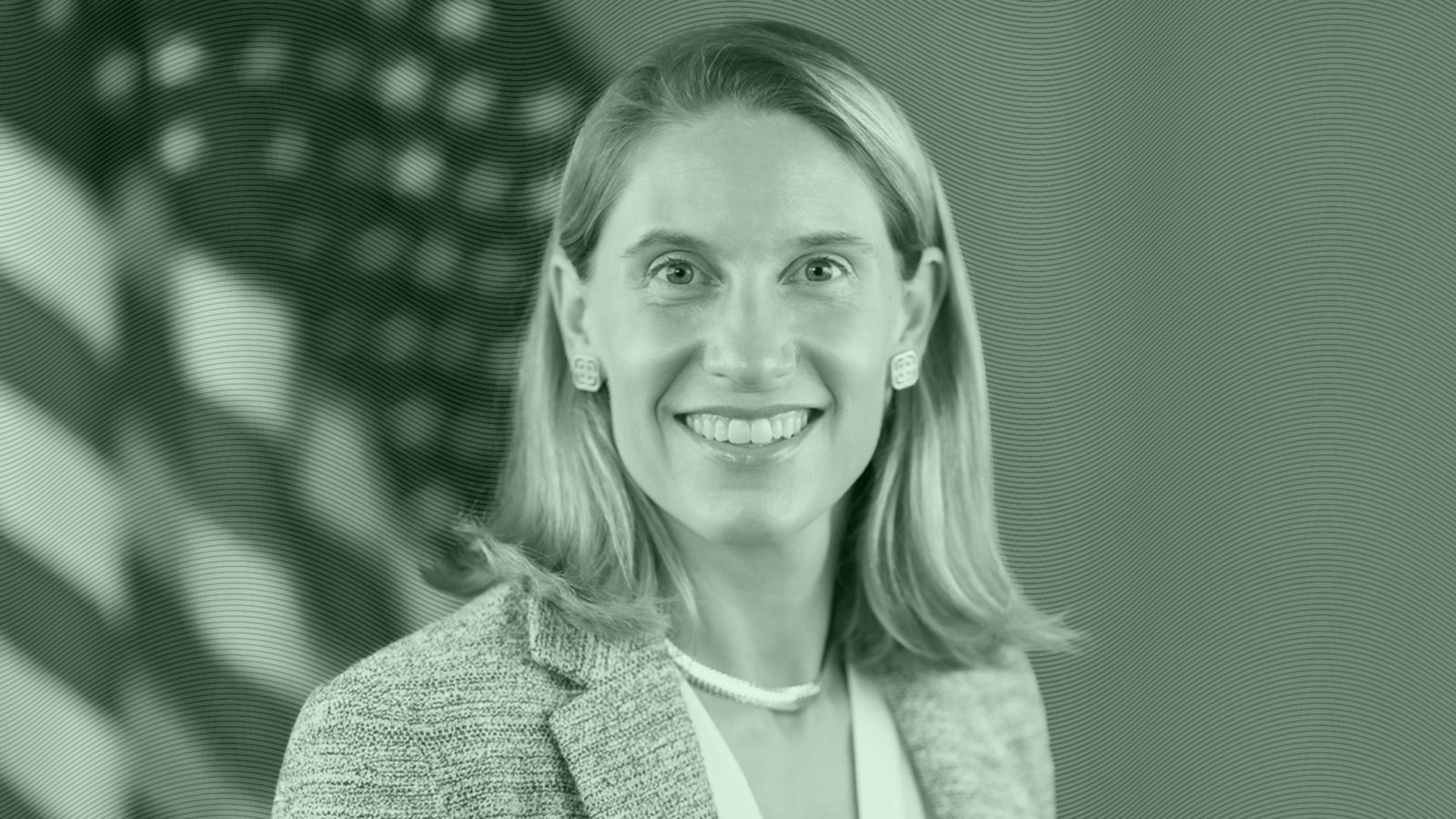
There goes another one.
The Securities and Exchange Commission is looking thin after Caroline Crenshaw stepped down last Friday. A commissioner since 2020, Crenshaw was a persistent crypto skeptic and the last remaining Democrat among the SEC’s top ranks. “She has been a steadfast advocate for the agency’s mission — demonstrating clarity of purpose and generosity of spirit,” Chair Paul Atkins and commissioners Hester Peirce and Mark Uyeda said in a joint statement. Her departure follows Democrat Jaime Lizárraga’s exit in January 2025.
Instead of five commissioners, the agency is now down to an all-Republican trio. Commissioners are appointed by the president with Senate confirmation, and no more than three may belong to the same political party. While there appears to be no firm deadline to fill the two vacancies, there are a few possible replacements, and a lingering question of whether it even matters who gets the seats.
“Pundits of the SEC like to say the bipartisan construct somehow ennobles the system, making it better and providing more thoughtful debate,” said longtime securities lawyer Bill Singer. “Whoever nominates the chair winds up putting the commission three to two.”
Just Sending 100,000 Emails
Crenshaw’s exit wasn’t a surprise. Her first term ended in June 2024, but she stayed on under a holdover provision. That same year, President Joe Biden nominated her for a second term running through 2029. The Senate Banking Committee never advanced the nomination, though, amid intense opposition from the crypto industry and allied lawmakers. Supporters of the Stand With Crypto nonprofit sent more than 100,000 emails to senators urging them to block her reappointment.
Crenshaw never softened her stance. She dissented from spot Bitcoin ETF approvals in early 2024, opposed the SEC’s settlement with Ripple Labs last May, and as recently as December warned that tokenized products are “far from one-to-one replicas” of the assets they are designed to track.
“There have been very rare examples where one person goes against the grain and upends the majority,” Singer told Advisor Upside.
Help Wanted. That leaves two commissioner seats open, and an open question about who would want them. Peirce’s term ended last summer, and she’s been serving on an extension, but she’s likely to be replaced with another Republican.
Singer said a few possible replacements for the Democratic seats include:
- Public Company Accounting Oversight Board member Kara Stein;
- Former PCAOB Chair Erica Williams;
- and Georgetown Law professor Chris Brummer.
Still, there is likely little room for a minority-party commissioner to exert real influence. “I just don’t know who would want to come in as a Democratic nominee knowing they’re unlikely to get anything done,” Singer said. “And not that it would be career suicide, but who wants to leave the private sector right now, when the market is soaring, to sit on the SEC?”
Advisors Share New Year’s Resolutions for 2026

January is a time of new beginnings for everyone, and wealth managers are no different.
The end of December can be an especially busy time for advisors, who are dealing with everything from taxes to estate planning for clients in the upcoming year. There’s also the extra work of creating plans for new clients or setting fresh goals for existing ones. But the new year can be a great opportunity to connect with clients by scheduling “clean slate meetings,” said Nicholas Erwin, a CFP and senior managing director at US Capital Wealth.
“In January, I get lots of phone calls from folks focused on the legacy and philanthropic strategy side of it,” he said. “[They] use the new year as an excellent catalyst to reach out to us and their advisory team and say, ‘We want to get together and come up with a strategy on the wealth transfer aspect.’”
New Year, New Me
One of the most common New Year’s resolutions for clients is getting more organized, said Joon Um, a financial planner at Secure Tax & Accounting, and advisors can be there to help. This can include consolidating accounts, cleaning up old retirement plans and simplifying finances. Others want to save more intentionally, whether it’s by increasing retirement contributions, building emergency reserves or automating savings. “Better outcomes usually come not from radical changes, but from small improvements applied consistently,” Um added.
Another way to help clients is by pushing back against so-called lifestyle creep, or the increase in spending that usually accompanies an increase in earnings. “Year-end raises and bonuses feel like ‘extra,’ and are well-earned throughout the year, but if they aren’t intentionally directed, they’re quickly absorbed in cash flow,” said Matthew Hess, CFP and financial advisor with Berman McAleer. “I’m encouraging clients to automate savings and investments tied specifically to new or elevated compensation. This way, the financial momentum increases without changing how they live.”
Ahead of the Curve. As for advisor priorities in 2026, AI and getting to know the next generation of clients are top-of-mind this year. “I definitely see the value of getting to know the second generation and spouses of each of the families that we work with,” said Erwin. “We’d like to get to meet each of them, if we don’t know them already.”