
Good morning.
Clients want advice and automation, but just like Mike Rowe, sometimes they want to get their hands a little dirty.
In an effort to get more assets in house and appeal to clients’ changing preferences, robo-advisor pioneer Betterment introduced commission-free, DIY investing to its platform this week. “Investing isn’t binary, it’s a spectrum,” Betterment CEO Sarah Levy said in a company statement that also noted that more than 75% of Betterment’s customers hold self-directed investments off platform. Similarly, trading apps like Webull and Robinhood are adding wealth management features to their platforms, while major Wall Street institutions are bolstering their self-directed brokerage accounts.
Trading may not be as dirty as cleaning septic tanks or scraping barnacles off boats, but it sure does make you feel alive.
Does the 100% Equity Portfolio Make Sense? Hmm, Maybe

Oops! All equities — and no, that’s not the latest Cap’n Crunch flavor.
We all know the classic 60/40 portfolio. While long a staple, some advisors argue it’s outdated, suggesting a 50/30/20 split with a slice for alternatives. But, for those who like to live on the edge, there’s a bolder option: a 100% equity portfolio.
Portfolios holding a mix of domestic and foreign stocks could be a more optimal way of diversifying than allocating to bonds, regardless of age, according to research from economists at the universities of Emory, Arizona and Missouri at Columbia. All-equities sounds risky, but the researchers argue that stock markets trend upward over time, and balanced portfolios or target-date funds, with their large bond allocations, can drag returns.
“While bonds seem to be safe, good diversifiers at short horizons, their long-term properties are really unfavorable for investors,” said Scott Cederburg, professor of finance at the University of Arizona and one of the authors of the report. “They become riskier and more correlated with stocks as the horizon grows. Combined with their low average returns, bonds are ultimately unattractive.”
Bonds, Schmonds
Analyzing stock and bond returns from 39 countries from 1890 to 2023, the researchers found that an all-equity portfolio — roughly one-third domestic stocks (likely higher for US investors) and two-thirds foreign stocks — outperformed balanced portfolios in retirement wealth, income, capital preservation and bequest at death:
- The all-equity strategy delivered 50% more retirement wealth on average.
- Under the 4% withdrawal rule — where retirees withdraw 4% of total savings in the first year — a balanced portfolio has a 17% chance of running out of wealth before death, versus 7% for the all-equity strategy.
Still, the researchers noted that holding a small share of Treasury bills early in retirement can act as a cushion as clients start withdrawals.“Even if financial planners and advisors are unwilling to recommend the optimal 100% equity portfolio, increasing their clients’ equity allocations from their current levels will likely benefit the savers over the long run and support better retirement outcomes,” Cederburg told Advisor Upside.
Risk On, Risk Off. As investors age, focus typically shifts from growth to preservation. A younger worker can ride out volatility, but a 75-year-old facing mounting medical costs may not. In Vanguard defined contribution plans, only 5% of participants are entirely in equities. The key risk for all-equity investors remains volatility. The S&P 500 took six years to recover from the Great Recession, and some Wall Street names forecast a market correction in the next two years. Moments like that could spell disaster for investors holding only stocks. “Markets have historically rewarded long-term patient investors,” said Bryan Gum, founder of Lighthouse Planning. “At the end of the day, it comes down to the investor’s risk tolerance and the time horizon of their needs for money.”
Help Clients Realize Their Estate And Legacy Plans

Estate planning is a lucrative and trust-building service, but it touches on money, mortality, and other sensitive subjects. Add fears of straying into legal territory, and it makes sense that many financial advisors steer clear.
This guide prepares advisors to tackle estate issues without worry. Besides spelling out what advisors can do versus without an attorney, it features:
- Ready-to-use scripts for three separate pricing models.
- Plain-language explanations of technical terms.
- Conversational frameworks that reduce client anxiety and build trust.
Advisors will also discover how to keep clients engaged, standardize workflows, and use Wealth.com to help clients follow through on vital paperwork.
This eight-minute read gives advisors the language they need to turn aspirations into action.
Learn How to Talk to Clients About Estate Planning Services.
How New FPA CEO Dennis Moore Plans to Shake Up Planning
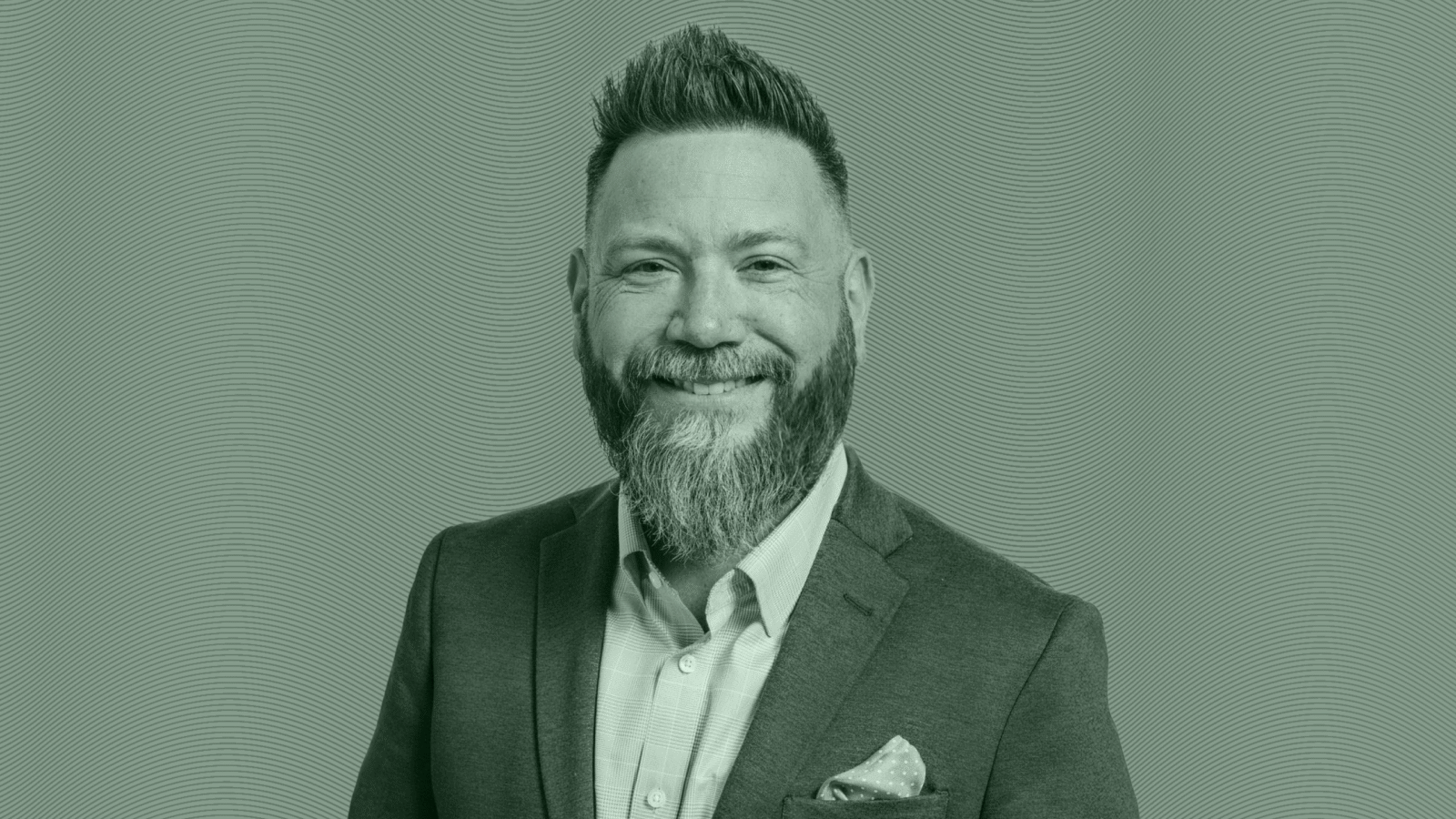
The FPA has a new leader ready to bring a 25-year-old organization into 2026.
The Financial Planning Association tapped Dennis Moore as full-time CEO last month, elevating him from an interim role following the death of former chief executive Patrick Mahoney in February. A veteran of the organization, having also served as its COO and the president of two chapters, Moore steps in just as the trade association turns 25. He said he plans to helm a revitalized conference strategy, new educational content and ongoing advocacy projects. The new captain of the ship will also have to navigate the ongoing AI flood and the Great Wealth Transfer. He’s also no stranger to the FPA and became familiar with the association while getting his undergraduate degree in personal financial planning, as well as his MBA, from Texas Tech University. Currently living outside San Antonio, he is also pursuing a Ph.D. in financial planning.
Advisor Upside spoke with Moore this week after his new role was announced.