

Good morning.
Baby, now we’ve got bad blood.
A former investment advisor was sentenced to 11 years in federal prison last week after pleading guilty to running a $35 million Ponzi scheme from 2016 to 2023. Siddharth Jawahar defrauded more than 64 people, including Taylor Swift’s husband, Travis Kelce, who’s also, like, a sports guy or something. Coincidentally, the investment firm at the heart of the scam was called Swiftarc Capital.
Prosecutors said Jawahar used new investors’ money to repay earlier investors and fund an extravagant lifestyle, including private-jet flights, luxury hotels and apartments in Austin and New York City, and memberships at private clubs.
Investment fraud is never good, but we have a feeling Kelce will be all right.
Do Employees Even Want Alts in 401(k)s?

There may be a place where alternative facts meet alternative investments.
Members of Congress are calling for an investigation into thousands of public comments made in support of the Department of Labor’s proposal allowing 401(k) plans to more easily offer alternative investments, including private equity and cryptocurrency.
Last week, Reps. Bobby Scott and Jamie Raskin and Sen. Bernie Sanders asked the Justice Department and FBI to investigate nearly 12,000 comments that show signs of being manufactured. In some cases, people whose names were attached to comments said they never submitted them; in others, the names belonged to people who had died, per Bloomberg. The supportive comments also generally lacked identifying information included in many of the more than 30,000 comments opposing the proposal.
The lawmakers’ request raises a broader question: How much genuine demand is there among workers for these investments, and how much of the push is coming from the industry? “Let’s be serious. There is hardly anyone in the 401(k) investing public who is interested in or knowledgeable enough about alts to clamor for them, or for that matter, to oppose them,” said Chris Chen, owner of Insight Financial Strategist. “So 12,000 fake comments? The opposite would be surprising.”
Cost of Freedom
The Trump administration has promoted greater access to alternative investments as a matter of investor choice. But private assets can also have higher fees, limited liquidity and less transparency than public-market investments.
“My concern is that the average 401(k) investor wouldn’t have the resources or experience to properly evaluate them,” said William Lofley, a CFP with HBKS Wealth Advisors. “It would be difficult for an individual investor to discern between a genuine opportunity and simply being the ‘exit liquidity’ for an investment that institutional investors no longer want.”
Asset managers have found mixed interest:
- Invesco’s 2026 survey of 517 defined-contribution plan participants found private equity was the private-market strategy participants expressed the most interest in, but 40% reported neutral, confused, intimidated or negative reactions.
- Meanwhile, DC consultants and advisors expect private assets to gain ground in 401(k)s, according to a recent T. Rowe Price study. Outside of hedge funds, respondents expect broad use of alternative investments over the next two years, with private credit and private equity leading the way.
Follow the Money. At the end of June, private equity firms held 33,575 unsold portfolio companies, according to PitchBook. That backlog could create an incentive for private equity firms to seek new sources of capital, said JP Geisbauer, founder of Centerpoint Financial Management. “Offering these alts in 401(k) plans gives these PE companies access to capital that they would not otherwise have,” he said.
No Advisor Gets Licensed to Push Paperwork

It’s Friday evening, the week’s client calls are done and your pipeline looks healthy. Only instead of kicking your feet up, you’re finishing an onboarding packet for a client who signed Tuesday. After all, who else is going to do it?
Somewhere else this evening, another advisor with the same size book is done for the week. They worked out which tasks were theirs, and delegated the admin.
All it took to get started was a read of BELAY’s Financial Advisor’s Delegation Guide, which shows how to:
- Find the 20% of your week that drives 80% of results.
- Test whether a task should be yours at all.
- Decide what to hand off first, and to whom.
How Advisors Can Help Clients Weather Natural Disasters
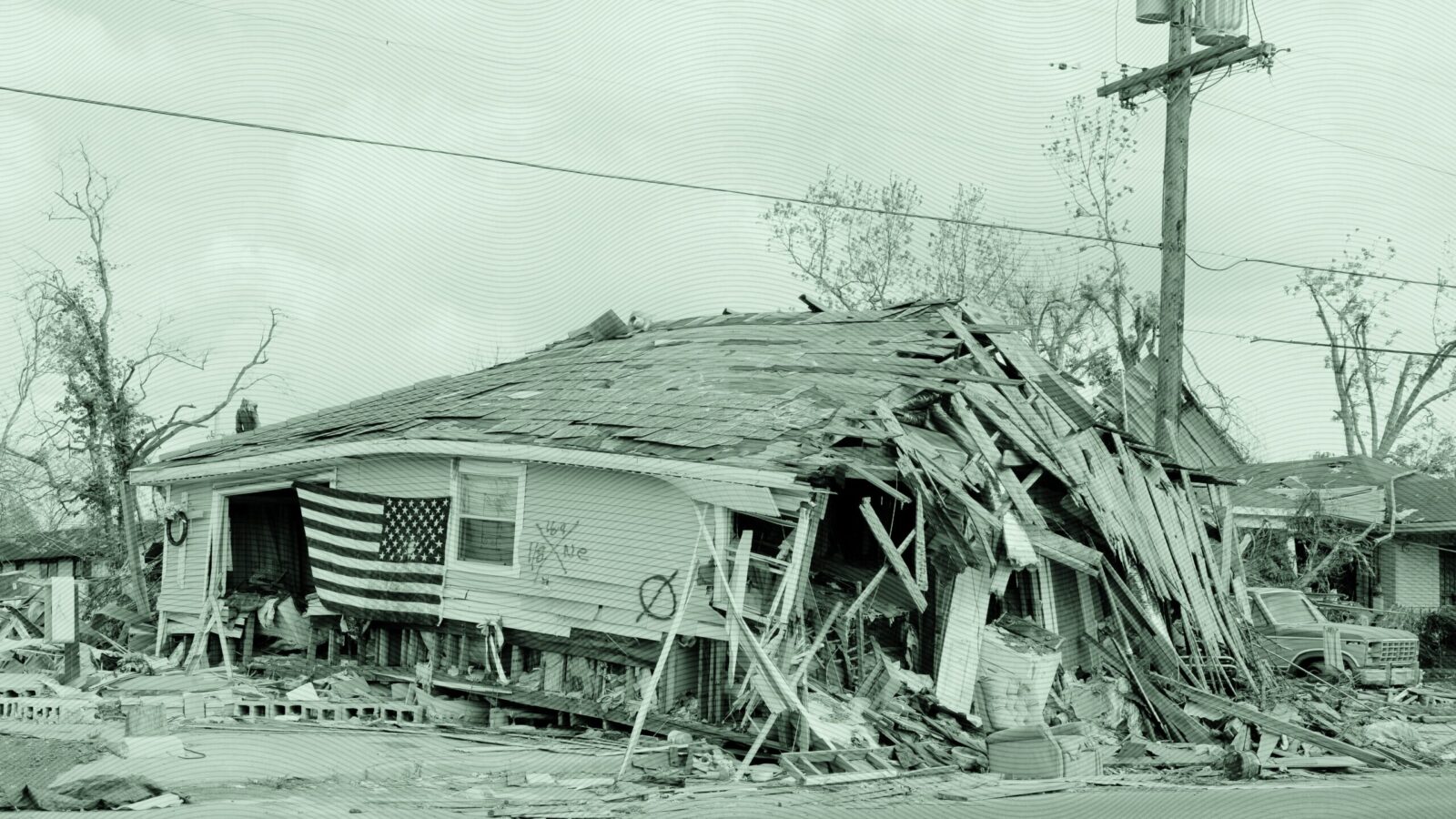
The US just weathered its hottest summer on record. Storms in the Midwest caused a blackout in Gary, Indiana, that left residents without power for 14 days. Texas battled flash flooding after its second 1,000-year rainfall event in two years. Advisors should be talking with clients about protecting their finances against worst-case scenarios.
“Having a written plan and reviewing it regularly, I think that’s a critical step,” said Andrew Crowell, vice chairman of wealth management at D.A. Davidson. “Too many people start taking vitamins after they already have a sore throat.”
Today’s Preparation Is Tomorrow’s Success
Crowell breaks down preparation into four buckets: financial, practical (the plan in the event of an emergency), communication (in case there’s no cell service) and emotional support.
On the financial side, making sure that insurance is comprehensive and up to date is one of the biggest ways for clients to be prepared. Many homeowners haven’t kept track of the rising prices of materials that they would need to rebuild their home, and the insurance they bought 10 years ago may no longer cover the actual rebuild cost. “It’s critical that people do an insurance review annually, the same way you get an annual physical,” Crowell said.
A few other suggestions:
- Digitizing: Clients should make copies of important paperwork and take a video inventory of their possessions to prevent insurance headaches afterward.
- If possible, people should avoid making big financial decisions in the first 30 days after a disaster, since it’s hard to think clearly.
- With rising insurance rates, sometimes the only answer is moving. Peter Krull, director of sustainable investing at Earth Equity Advisors, encourages clients in flood-prone areas to consider relocating somewhere with lower risks.
Haven Help Us. Even those who don’t live in areas that are typically prone to climate disasters can find themselves dealing with extreme weather events. Krull lives in Asheville, North Carolina, which was largely considered to be a “climate haven” before Hurricane Helene struck the city in 2024. “We learned that there is no such thing as a climate haven anymore,” he said. “It may not be a hurricane. But it might be a drought, or it might be different weather patterns but no place is immune … There ultimately isn’t a lot you can do other than to determine, ‘Where am I living, and what are my risks here?’”