
Good morning and happy Friday.
The lifecycle hypothesis posits that people save over their working years to fund their spending during retirement. However, many studies find evidence of what is increasingly known as the “retirement savings puzzle,” or the observation that retirees do not completely draw down their assets, including many of those who are less motivated to leave bequests.
As a new report from the Employee Benefit Research Institute shows, a sizable group of Americans actually accumulates assets while retired. Twenty-two years into retirement, the median household’s net assets (excluding home values) fell by only 43% for low-asset households and 42% for high-asset households. All asset groups saw significant wealth retention, EBRI reports, with 42% of affluent households having 80% or more of their starting assets 22 years into retirement.
Spending below one’s means isn’t inherently a problem, EBRI experts say, but much of the underspending is likely attributable to excessive fear of running out.
How Dividend Investing Fits Into Retirement Portfolios

There’s that sweet, sweet cash flow.
Investors have been collecting dividends for centuries, but that doesn’t mean the investment approach is stale, or even well understood. Advisors serving retirement savers see dividends playing an evolving role in client portfolios, especially as equity markets remain historically concentrated. While that dynamic has rewarded investors in recent years, it has also raised questions about diversification, downside risk and portfolio resilience. In this context, advisors may want to give dividend investing another look.
“Dividend strategies generally aren’t going to knock the cover off the ball when the market is ripping,” said Nick Puncer, managing director and portfolio manager at the dividend-focused investment firm Bahl & Gaynor. “Conversely, you would probably be happy that you owned them if it is falling precipitously. They also can play an important role in income-focused retirement portfolios.”
Virtues and Foibles of Dividends
Dividends reflect real company profits and a commitment to shareholders, Puncer told Retirement Upside. The consistent payment of dividends indicates business stability and offers predictability, which is appealing to retirement investors. “Warren Buffett said it well,” Puncer said. “The market is a weighing machine in the long run. If we own companies that are consistently providing tangible cash flow over long periods, market price should follow that over time. It’s not much more complicated than that.”
Financial advisors largely agreed, though most favor a blended approach. Since consistent dividend payers are generally more established and profitable companies, they usually come with less volatility and a “smoother ride,” said Ryan Salah, an advisor at Capital Financial Partners in Maryland. “That’s something retirees genuinely value,” he said “The regular cash flow can also feel reassuring when you’re no longer drawing a paycheck.”
However, a common misconception is that dividends are inherently superior to selling shares for income. That’s not true, as when a dividend is paid, the stock price drops by roughly that amount. Some other considerations:
- In taxable accounts, dividends are taxed every year whether one needs the income or not.
- Dividends can be used to satisfy required minimum distributions in qualified accounts, but they are taxed as ordinary income upon withdrawal.
Rather than building a portfolio around dividends, some advisors said they favor a total-return approach, owning a diversified mix and generating retirement income from a combination of dividends, interest and selective rebalancing.
A Skeptic’s Take. David Foster, an advisor with Gateway Wealth Management in St. Louis, isn’t a big fan of pure-play dividend investing. It’s certainly easy to convince clients of the value of dividend stocks because it sounds like “free money,” he said. “There’s nothing special about dividends as the value of the company paying the dividend immediately declines by the value of the dividend,” Foster added. Dividend portfolios also usually tilt toward value stocks rather than growth stocks. “If you had taken that approach rather than just owning the broad market over the last decade, your returns would have lagged,” he said.

Here’s How Good Tax Advice Can Wreck Business Owner’s Social Security Checks
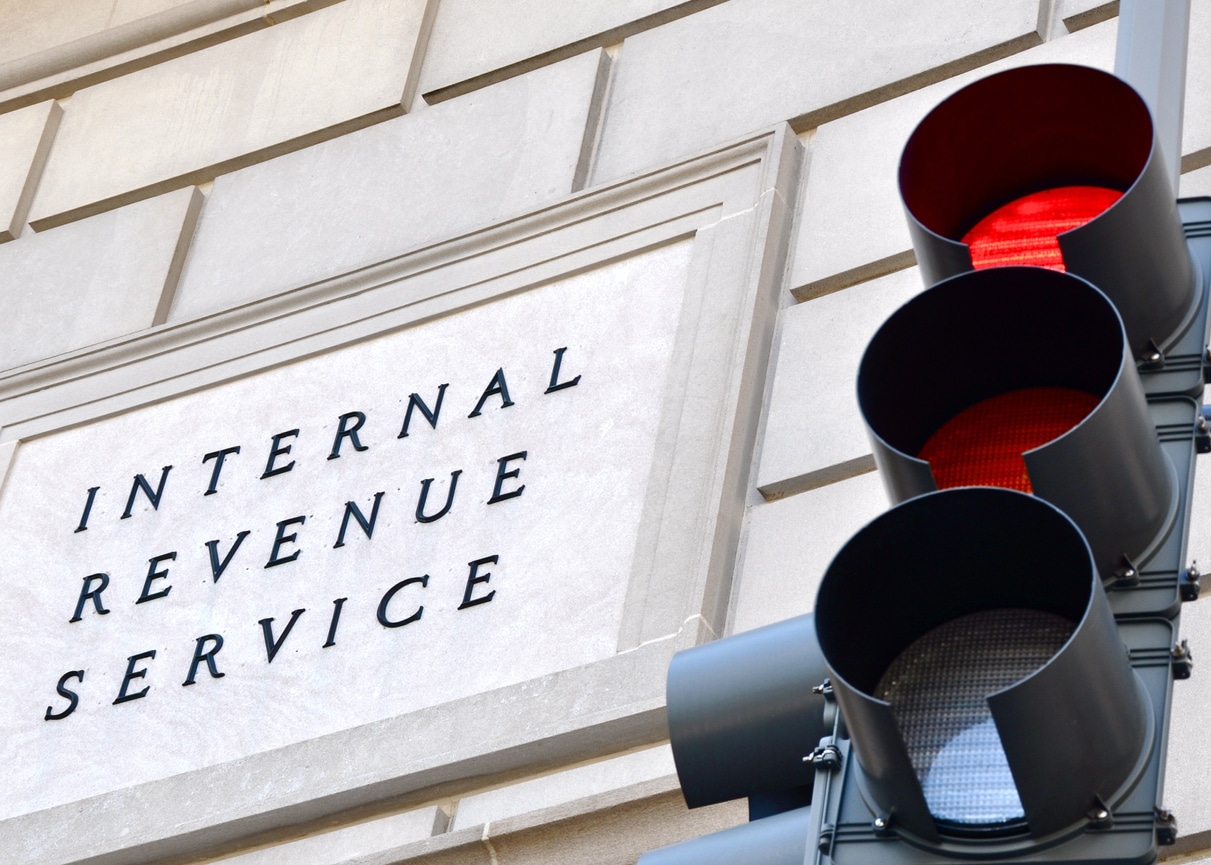
Paying more FICA income taxes in a given year than is strictly necessary is always bad, right? Not so fast …
Small-business owners are generally counseled by certified public accountants to reduce their annual tax liability as much as possible, for example, by splitting income between salary and distributions, and utilizing tax-free expense reimbursements. Because business owners pay both the employer and employee portions of FICA taxes, these and other strategies can result in significant annual savings. The problem is that Social Security benefits are calculated based on FICA income, warned Marcia Mantell, a Social Security claiming expert and president of Mantell Retirement Consulting. She’s seen many business owners who spent decades minimizing FICA taxes get hit with an unpleasant surprise when they go to claim: checks that are half the anticipated size (or even less).
“They can just get crushed by this dynamic,” Mantell told Retirement Upside. “If you’ve been fantastically successful and sell your business for $20 million, a smaller check isn’t a big deal. But that’s not the case for the vast majority of Main Street business owners. Social Security benefits are vital to their retirement security.”
Small Checks, Big Regrets
That’s not to cast blame on small-business owners or their trusted CPAs, Mantell said. It’s more about reminding business owners that accountants have a very specific goal in mind during tax season. “What that translates to is CPAs finding all kinds of ways to keep income low this year,” Mantell said. “It feels great when you’re in your 30s or 40s running a business, but then you come see me in your 60s, and we find a big problem.”
Some key numbers:
- The maximum amount of earnings subject to Social Security taxes is currently $184,500 (indexed).
- A beneficiary with 35 years of earnings at or above the maximum taxable amount who retired at full retirement age this year would get about $4,100 a month.
In Mantell’s experience, a lot of business owners compare these figures with the money their company generates, and they assume they’ll be near the maximum benefit. “It’s a real shock when I pull up their benefit amount and it’s closer to $2,000,” Mantell said. Hopefully, they’ve socked away some of those FICA tax savings over time, but that’s often not the case. “That is a crushing blow.”
Play Nice! Jeff Levine, a CPA and the chief planning officer at Focus Partners Wealth, is also familiar with this dynamic. He encouraged financial advisors to establish cordial and collaborative relationships with their clients’ accountants in order to avoid bad outcomes. “The financial planner and the CPA aren’t always going to see eye to eye, and that’s fine,” Levine said. “In cases where there are disagreements, keep it professional. Inform the client that you have a different point of view and move on.”