Why Uncle Sam Wants to Auto-Enroll America’s Retirement
Over a 10-year horizon, a federal retirement program that auto-enrolls investors could add between $635 billion and $983 billion to its IRA system.

Sign up for smart news and actionable insights on the strategies, products, and policy shifts shaping retirement outcomes.

Millions of Americans still lack access to an employer-sponsored retirement plan, leaving Social Security as their primary source of income after they stop working. (And who knows how that’s going to turn out?)
A proposal raised by President Donald Trump earlier this year aimed to address that gap. In his February State of the Union address, Trump said that starting next year, workers without access to a 401(k) could opt into a government-facilitated retirement account modeled on the Thrift Savings Plan, with federal matching contributions of up to $1,000 annually. Just yesterday, the president signed a new executive order instructing the federal government to create a new website to publicize the matching dollars, TrumpIRA.gov, which workers can also use to evaluate and enroll in private-sector retirement accounts. But how much impact would a government-run plan actually have?
New research from Morningstar suggests the design details, especially whether enrollment is automatic, could determine its success. “With voluntary enrollment, participation is going to be a lot lower, so auto-enrollment is something that should very much be considered,” said Spencer Look, associate director of retirement studies at Morningstar. “It’s the people who participate over long periods who see a material change in their wealth.”
Narrowing the Gap
A universal savings plan with auto-enrollment would primarily benefit groups that have historically lagged in wealth accumulation: single women, Gen Z and millennials, low-income families and Black and Hispanic communities. While it would be a step forward, gaps would likely remain. “We wanted to highlight that building wealth doesn’t automatically mean retirement income security for folks,” Look told Advisor Upside. “People’s needs vary quite a lot.”
The research found:
- Auto-enrollment could add between $635 billion and $983 billion to a federal IRA system over a 10-year horizon.
- Total assets could reach as much as $1.35 trillion when combined with an enhanced Saver’s Match, a federal program launching in 2027 that will contribute to low-income workers’ 401(k)s and IRAs.
“No matter what you do, if people aren’t consistently saving and participating, it’s going to be hard to move the needle,” Look said.
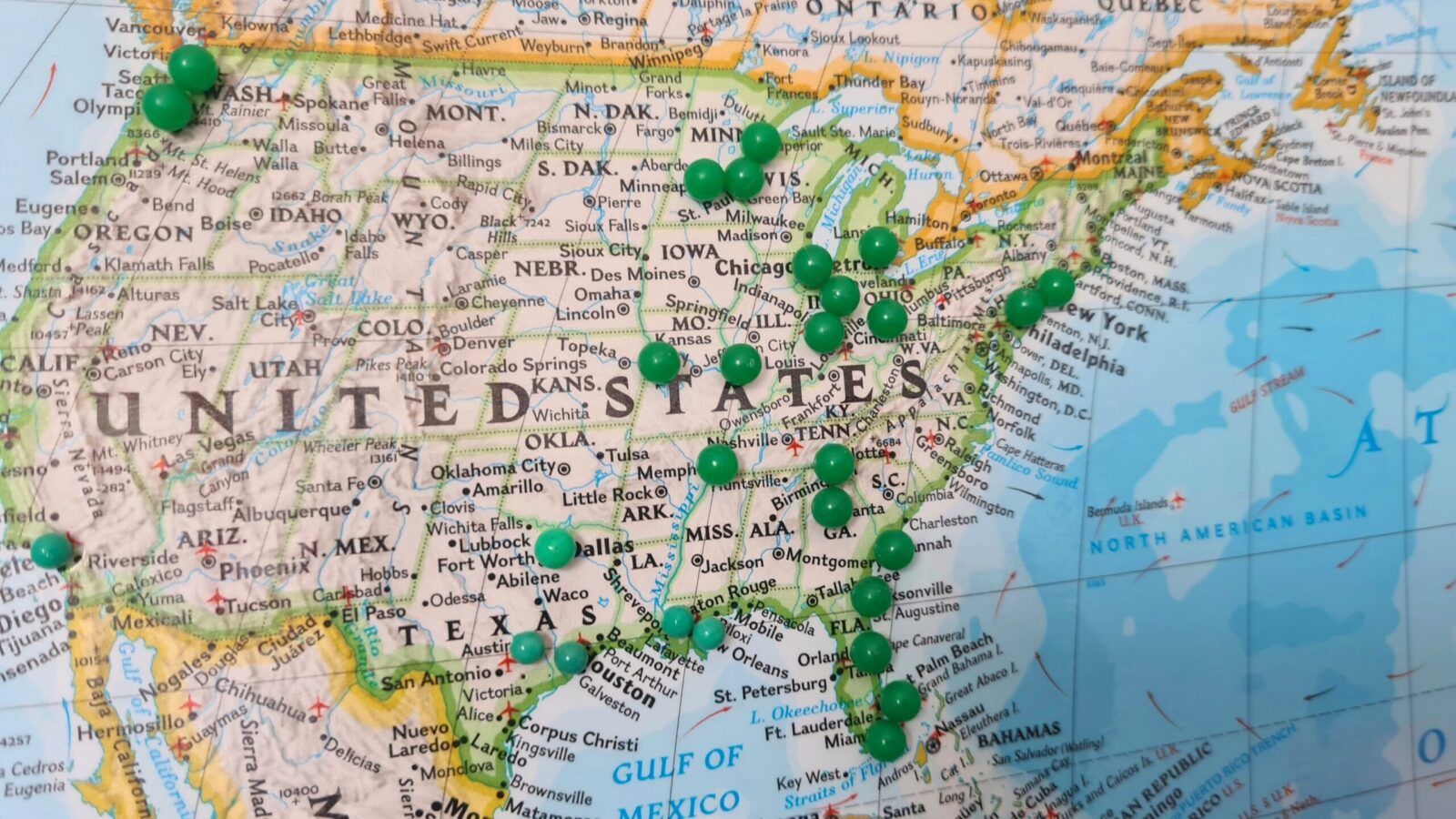
Dollars and Cents. Fifteen states have already implemented state-facilitated auto-IRA programs for private-sector workers, collectively amassing nearly $3 billion in assets. Similar federal proposals, the Retirement Savings for Americans Act and the Automatic IRA Act of 2025, were introduced in Congress last year.
So why doesn’t a national program already exist? “There clearly is bipartisan interest in addressing the coverage gap, but I think it comes down to the cost,” Look said. “This type of program would be massive.”
Recent News






-

Photo illustration by Connor Lin / The Daily Upside, Photo by Feedough via iStock