

Good morning and happy Monday.
Sweetgreen fell 7.9% on Friday, a day after executives said customers are staying away from the fast casual salad bowl chain. The reason is the nationwide outbreak of cyclosporiasis, a stomach disease linked to a parasite in fresh greens. Sweetgreen now expects to lose $23 million to $27 million this year, much deeper than the previous $1 million to $6 million forecast.
It could be worse: rival Salad and Go shut down and filed for bankruptcy, citing the “compounded” pressure of consumers’ cyclospora parasite fears. Neither chain has been implicated in the outbreak, either. Many consumers simply aren’t taking any chances when it comes to prepared foods. This is your chance to let coworkers in the break room know that your sugary soda and ultra-processed microwave meal is your way of being health-conscious.
Buffett’s Successor at Berkshire Puts Mammoth Cash Pile to Work
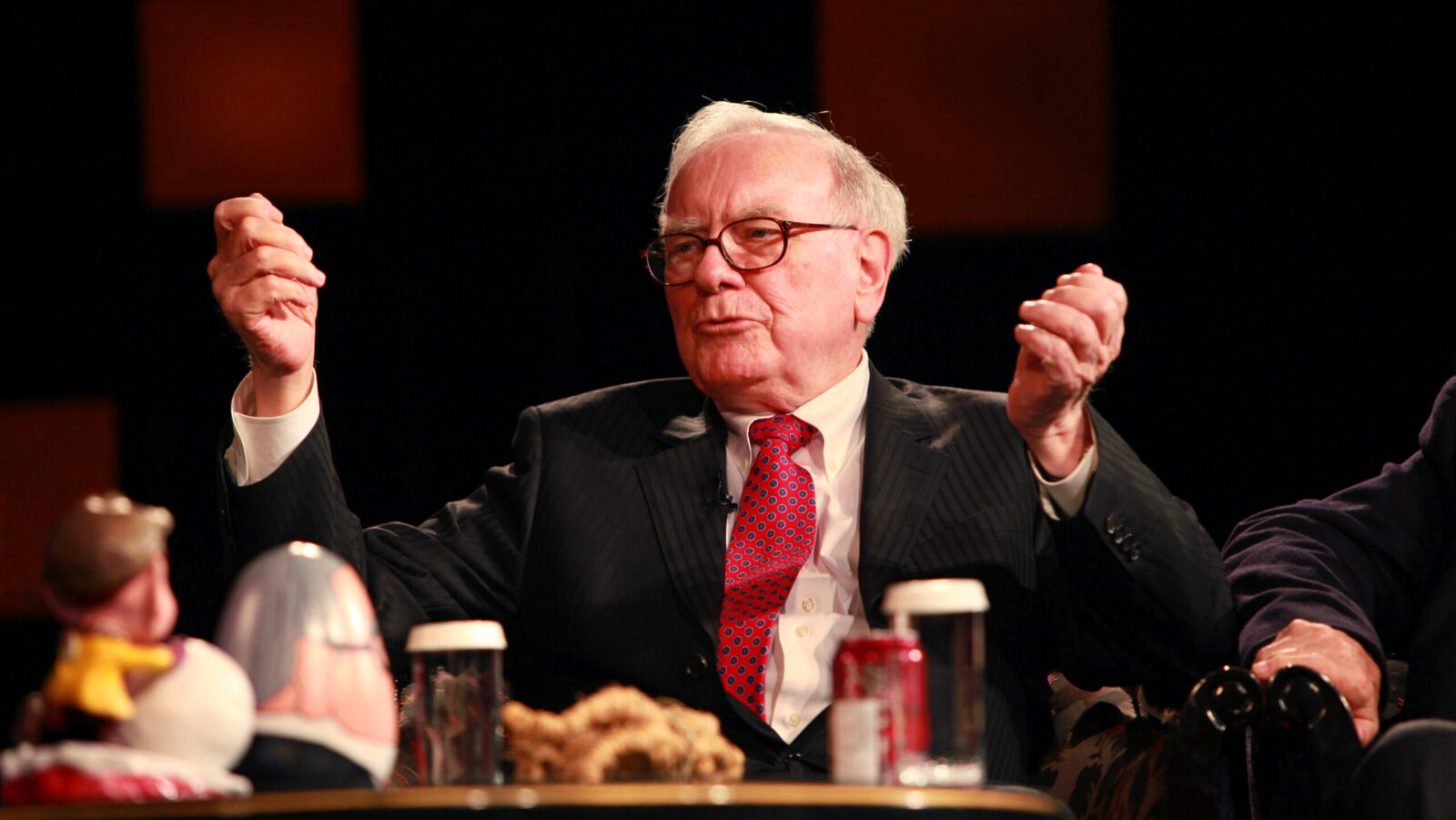
With new-ish CEO Greg Abel more than seven months into the job, investors still appear to view Berkshire Hathaway as “Old Reliable.” Shares in the $1.1 trillion conglomerate advanced 3.5% in the past month as an AI selloff prompted rotations into familiar safe havens.
But even as he’s made a series of deals that align with classic Berkshire strategy, Abel is beginning to put his own stamp on the company. On Saturday, Berkshire reported that it deployed $19.8 billion into the stock market in the second quarter, putting an end to three years of net selling.
Bet on Yourself
Berkshire has climbed just 3.8% this year, lagging behind the 13.3% pace of the S&P 500. But this giant tortoise has outlasted more hypersonic hares than one can count over the years, prioritizing the acquisition of stable businesses like insurer GEICO, railroad BNSF, battery maker Duracell, and several electric utilities and industrial manufacturing companies. In a world of stretched valuations, Chairman Warren Buffett, who led Berkshire for 60 years before stepping down as CEO on January 1, struggled to find much worth buying in recent years. But he was gentlemanly enough to leave Abel with a $369 billion pile of cash with which to blaze his own trail. In the second quarter, Abel started putting it to use.
In July, Berkshire completed the acquisition of homebuilder Taylor Morrison for $6.8 billion, paying a 24% premium to deepen its position in the US housing market, suggesting long-term optimism that housing demand will rebound when the current cycle of low sales activity, high prices and high mortgage rates ends. Berkshire also deepened its investment in Alphabet, buying a whopping $10 billion in shares. And, with Berkshire’s latest earnings report on Saturday, Abel revealed he’s doubling down on another Berkshire bet:
- Itself. Berkshire repurchased $4.5 billion of its own stock in the second quarter, a massive increase from the $235 million it spent on buybacks in the first three months of the year.
- Berkshire’s quarterly profit more than doubled to $25.7 billion in the second quarter, so it’s no wonder that executives are feeling themselves.
Follow the Leader: Like the Taylor Morrison and Alphabet deals, Abel’s other moves this year have followed Buffett’s no-nonsense investing philosophy. In January, he closed the $9.7 billion purchase of Texas-based chemical manufacturer OxyChem, a deal he set in motion while still vice chair in 2025. The maker of essential products including chlorine and PVC resins that are always in demand, it perfectly fit the Berkshire template of a predictable, if cyclical, cash-generating asset. In March, Abel invested $1.8 billion in Japanese insurance giant Tokio Marine and, two months later, upped Berkshire’s stakes in two Japanese trading houses. Buffett has been a fan of the major Japanese trading houses for years, viewing their diversified, global portfolios as kindred spirits.
A 100-Year-Old Industry Is About to Be Reinvented
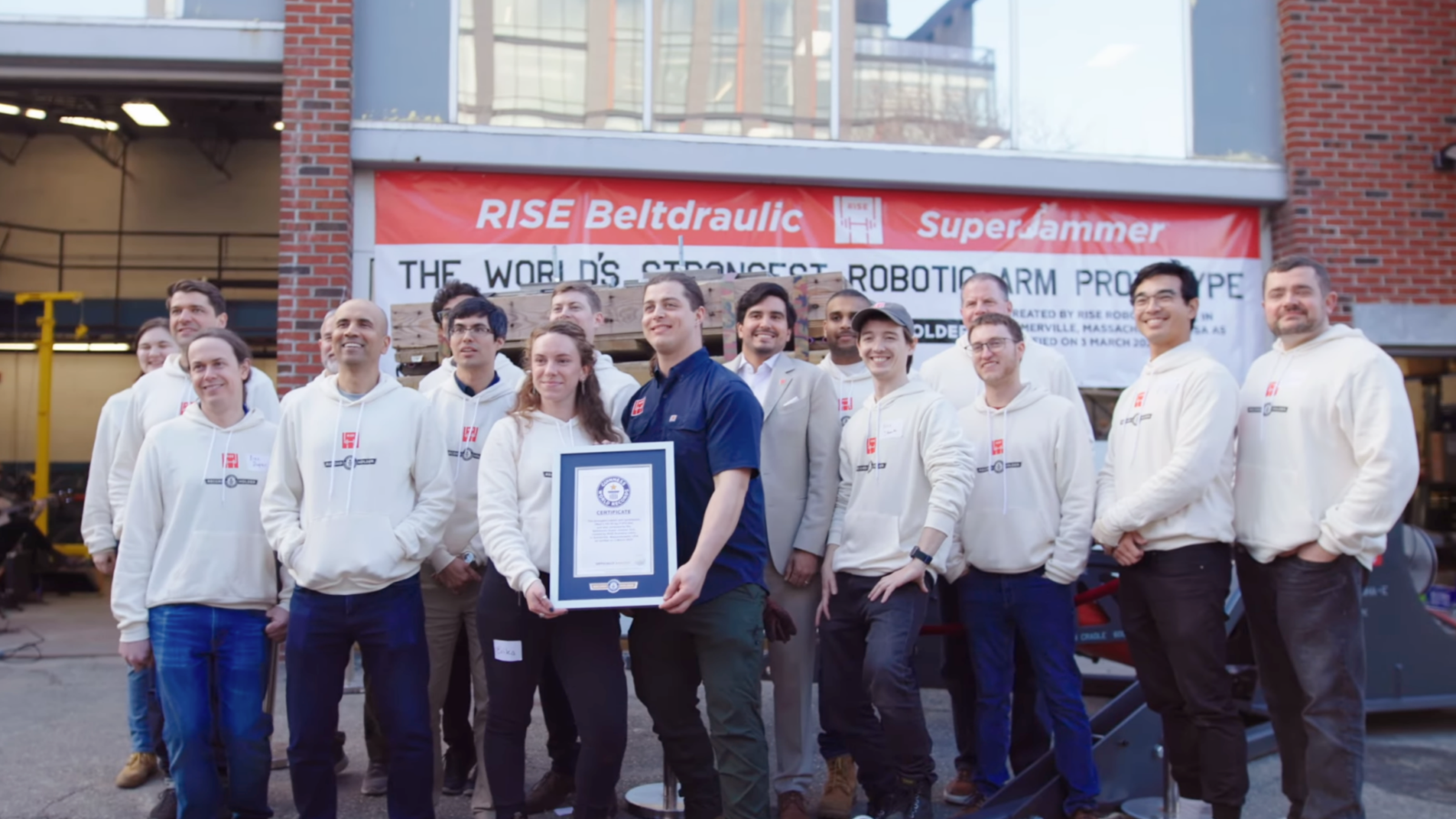
Hydraulics have powered the $750 billion heavy machinery industry unchanged for a century. Talk about being under pressure. Construction sites, ports and warehouses all run machines that leak oil and burn energy. RISE Robotics has now swapped oil for belts and pulleys to finally take these tired machines electric. See how you can claim a stake in it.
Starlink’s Success Casts Doubt on Telecom Companies’ Future
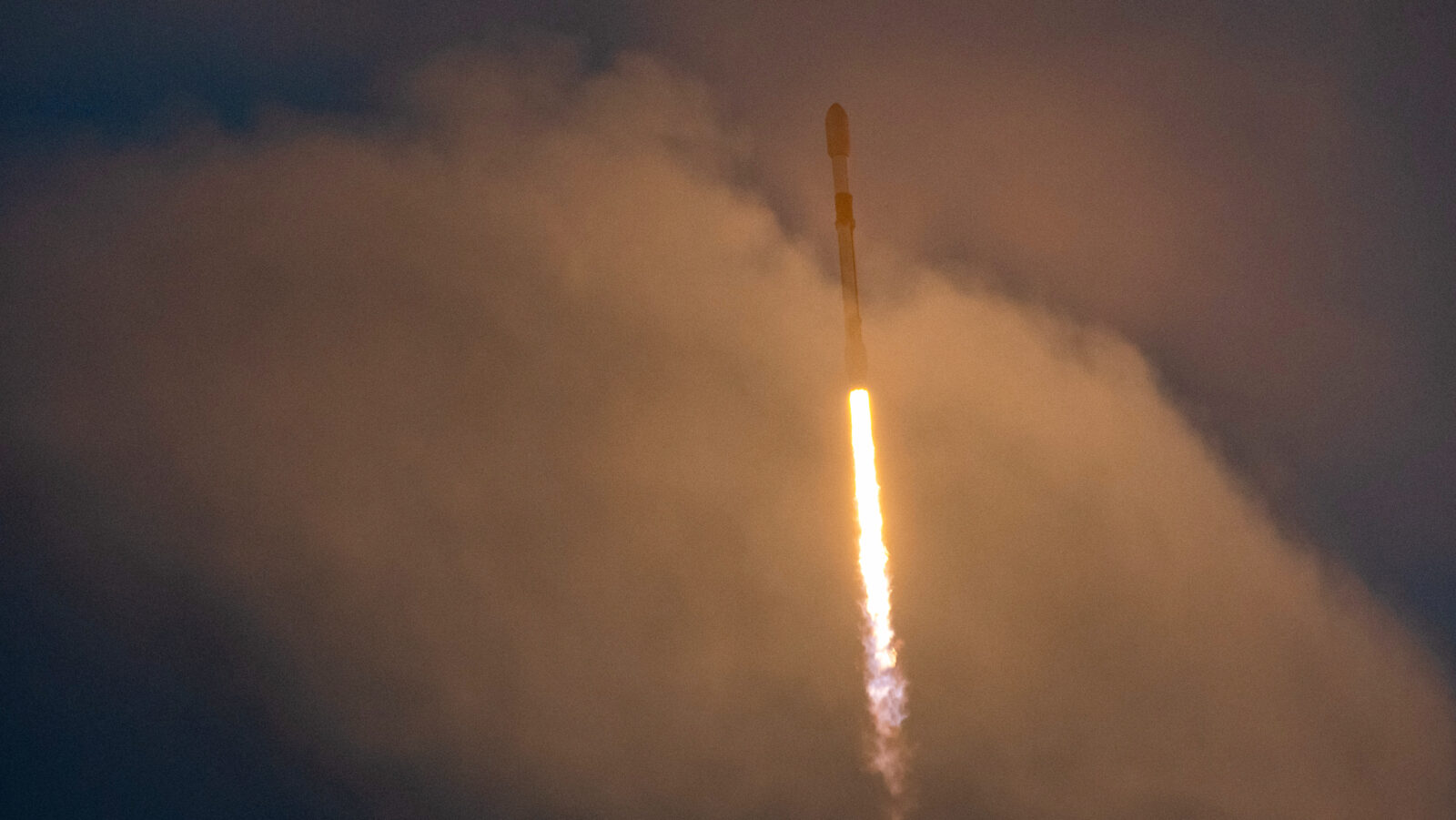
SpaceX has a message to Verizon and the rest of Big Telecom: Can you hear me now?
While the inaugural SpaceX earnings call last week unsurprisingly revealed that the company has lost $2 billion through the first half of the year, it also showed that Starlink continues to be a serious money-maker. The satellite communications division netted $1.6 billion in profit in the second quarter, and SpaceX President Gwynne Shotwell said the unit’s next goal is to capture some of the $600 billion in annual revenue currently controlled by Verizon, AT&T and T-Mobile.
Raising the Star
Thanks to its nearly $20 billion deal to acquire 65 MHz of nationwide wireless spectrum licenses from troubled satellite player EchoStar late last year, Starlink will soon have the capability to launch direct-to-cellular. The company will have to launch Starlink Mobile satellites first, but it said last week that it plans to have its terrestrial mobile service live by the end of next year. The upside for mobile customers, CEO Elon Musk said during the company’s call with analysts last week, is that Starlink Mobile will “probably” provide “better and higher bandwidth than what is currently available from cellular providers.”
Whether or not that claim is a sky-high overstatement is another matter:
- “It makes no sense for SpaceX to try to replicate what terrestrial players have built over 30 years with 1000 MHz between them, with 65 MHz,” New Street Research senior telecommunications analyst David Barden told Reuters last week.
- “An acquisition looks like the fastest route for SpaceX, either of a smaller operator or assets that bring spectrum, cell sites and customers,” Hargreaves Lansdown senior equity analyst Matt Britzman told Reuters.
Ready for Liftoff: Oppenheimer analysts are more optimistic, writing in a note to clients last week that they believe Starlink Mobile could capture at least 15 million US customers by 2030 (AT&T, the smallest of telecom’s Big Three, services 100 million US customers). And there’s plenty of optimism going around when it comes to SpaceX these days. Shares of the company surged more than 12% on Friday, a rebuke of an all-but-certain drop that was expected following the expiration of a stock lockup for employees and early investors the day before. We’ll call that defying gravity.