Starlink’s Success Casts Doubt on Telecom Companies’ Future
SpaceX has a message to Verizon and the rest of Big Telecom. It’s coming for some of their $600 billion in annual revenue.
Sign up for smart news, insights, and analysis on the biggest financial stories of the day.

SpaceX has a message to Verizon and the rest of Big Telecom: Can you hear me now?
While the inaugural SpaceX earnings call last week unsurprisingly revealed that the company has lost $2 billion through the first half of the year, it also showed that Starlink continues to be a serious money-maker. The satellite communications division netted $1.6 billion in profit in the second quarter, and SpaceX President Gwynne Shotwell said the unit’s next goal is to capture some of the $600 billion in annual revenue currently controlled by Verizon, AT&T and T-Mobile.
Raising the Star
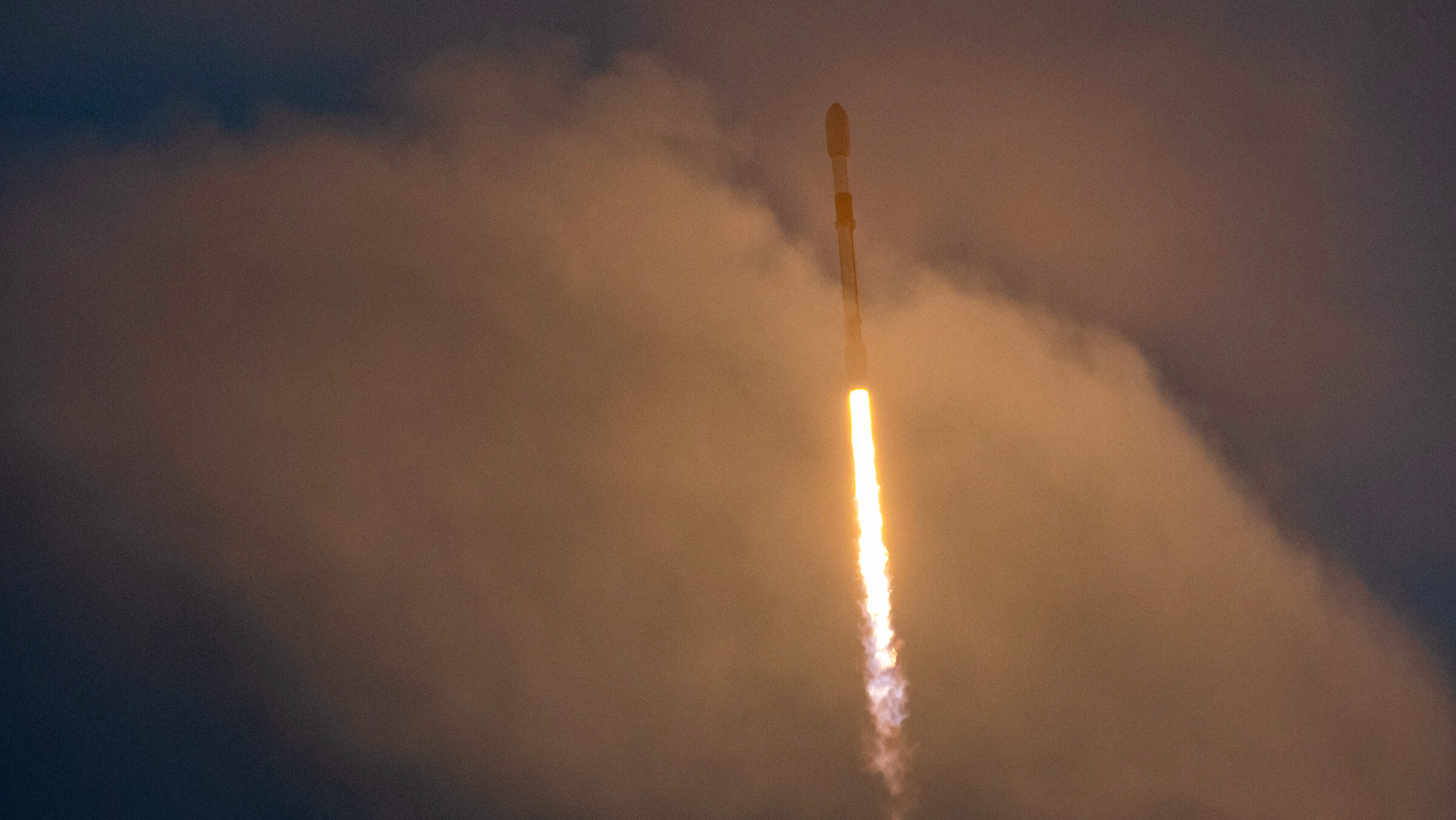
Thanks to its nearly $20 billion deal to acquire 65 MHz of nationwide wireless spectrum licenses from troubled satellite player EchoStar late last year, Starlink will soon have the capability to launch direct-to-cellular. The company will have to launch Starlink Mobile satellites first, but it said last week that it plans to have its terrestrial mobile service live by the end of next year. The upside for mobile customers, CEO Elon Musk said during the company’s call with analysts last week, is that Starlink Mobile will “probably” provide “better and higher bandwidth than what is currently available from cellular providers.”
Whether or not that claim is a sky-high overstatement is another matter:
- “It makes no sense for SpaceX to try to replicate what terrestrial players have built over 30 years with 1000 MHz between them, with 65 MHz,” New Street Research senior telecommunications analyst David Barden told Reuters last week.
- “An acquisition looks like the fastest route for SpaceX, either of a smaller operator or assets that bring spectrum, cell sites and customers,” Hargreaves Lansdown senior equity analyst Matt Britzman told Reuters.
Ready for Liftoff: Oppenheimer analysts are more optimistic, writing in a note to clients last week that they believe Starlink Mobile could capture at least 15 million US customers by 2030 (AT&T, the smallest of telecom’s Big Three, services 100 million US customers). And there’s plenty of optimism going around when it comes to SpaceX these days. Shares of the company surged more than 12% on Friday, a rebuke of an all-but-certain drop that was expected following the expiration of a stock lockup for employees and early investors the day before. We’ll call that defying gravity.
Recent News




-
Meta’s Muse Inspires Double-Digit Rally for CPU Stocks

Photo via Meta




-

Photo illustration by Connor Lin / The Daily Upside