Buffett’s Successor at Berkshire Puts Mammoth Cash Pile to Work
With new CEO Greg Abel now more than seven months into the job, it appears that investors still consider Berkshire Hathaway old reliable.
Sign up for smart news, insights, and analysis on the biggest financial stories of the day.
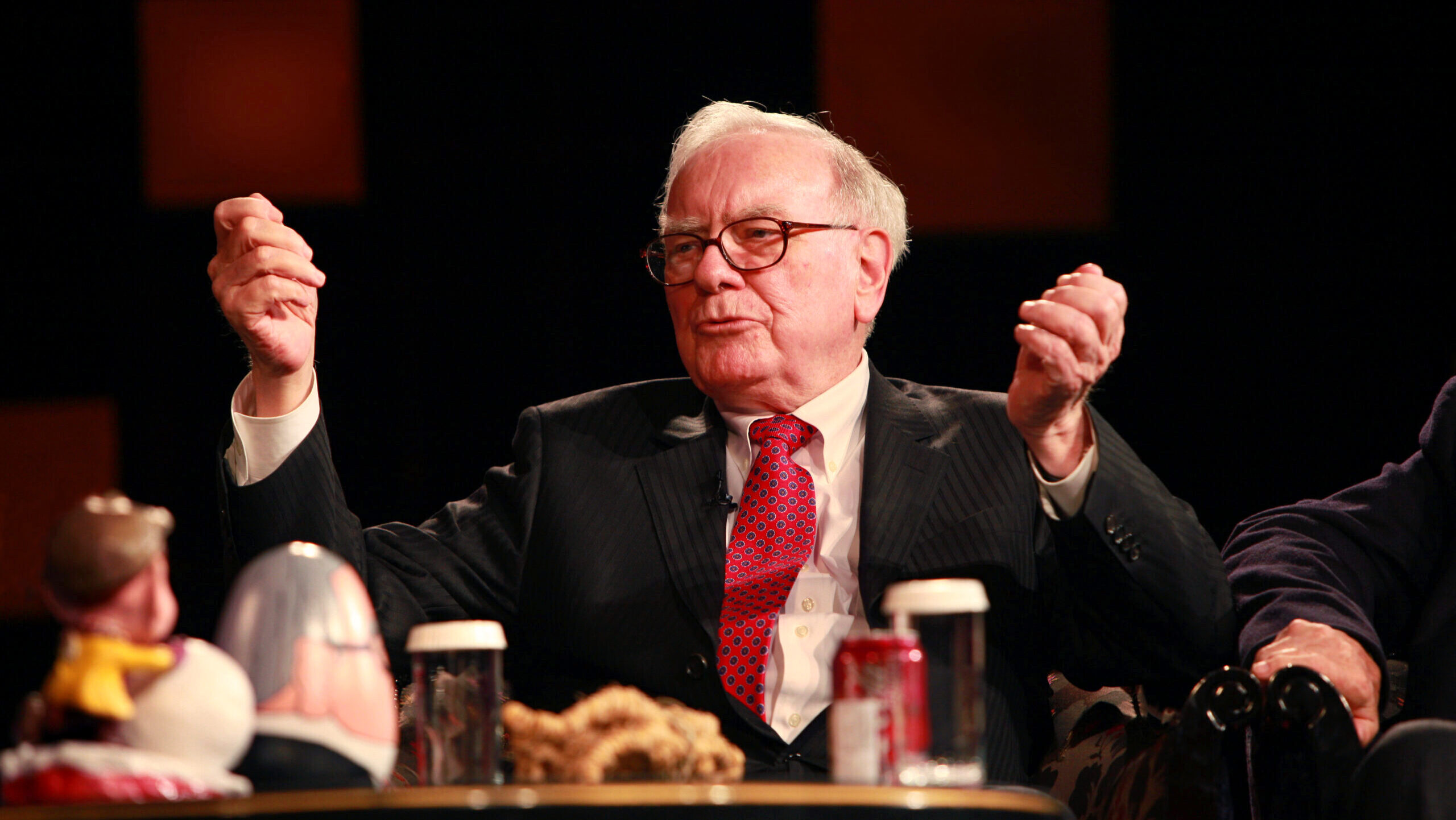
With new-ish CEO Greg Abel more than seven months into the job, investors still appear to view Berkshire Hathaway as “Old Reliable.” Shares in the $1.1 trillion conglomerate advanced 3.5% in the past month as an AI selloff prompted rotations into familiar safe havens.
But even as he’s made a series of deals that align with classic Berkshire strategy, Abel is beginning to put his own stamp on the company. On Saturday, Berkshire reported that it deployed $19.8 billion into the stock market in the second quarter, putting an end to three years of net selling.
Bet on Yourself
Berkshire has climbed just 3.8% this year, lagging behind the 13.3% pace of the S&P 500. But this giant tortoise has outlasted more hypersonic hares than one can count over the years, prioritizing the acquisition of stable businesses like insurer GEICO, railroad BNSF, battery maker Duracell, and several electric utilities and industrial manufacturing companies. In a world of stretched valuations, Chairman Warren Buffett, who led Berkshire for 60 years before stepping down as CEO on January 1, struggled to find much worth buying in recent years. But he was gentlemanly enough to leave Abel with a $369 billion pile of cash with which to blaze his own trail. In the second quarter, Abel started putting it to use.
In July, Berkshire completed the acquisition of homebuilder Taylor Morrison for $6.8 billion, paying a 24% premium to deepen its position in the US housing market, suggesting long-term optimism that housing demand will rebound when the current cycle of low sales activity, high prices and high mortgage rates ends. Berkshire also deepened its investment in Alphabet, buying a whopping $10 billion in shares. And, with Berkshire’s latest earnings report on Saturday, Abel revealed he’s doubling down on another Berkshire bet:
- Itself. Berkshire repurchased $4.5 billion of its own stock in the second quarter, a massive increase from the $235 million it spent on buybacks in the first three months of the year.
- Berkshire’s quarterly profit more than doubled to $25.7 billion in the second quarter, so it’s no wonder that executives are feeling themselves.
Follow the Leader: Like the Taylor Morrison and Alphabet deals, Abel’s other moves this year have followed Buffett’s no-nonsense investing philosophy. In January, he closed the $9.7 billion purchase of Texas-based chemical manufacturer OxyChem, a deal he set in motion while still vice chair in 2025. The maker of essential products including chlorine and PVC resins that are always in demand, it perfectly fit the Berkshire template of a predictable, if cyclical, cash-generating asset. In March, Abel invested $1.8 billion in Japanese insurance giant Tokio Marine and, two months later, upped Berkshire’s stakes in two Japanese trading houses. Buffett has been a fan of the major Japanese trading houses for years, viewing their diversified, global portfolios as kindred spirits.
Recent News

-

Photo illustration by Connor Lin / The Daily Upside, Photos by Krittiraj Adchasai and Cherezoff via iStock -
Photo illustration by Connor Lin / The Daily Upside, Photos by Filistimlyanin via iStock and Freepik