

Good morning.
Shein has lost more than 70% of its shine. In preparation for a Hong Kong IPO, advisors to the fast fashion e-commerce platform (actually pronounced she-in) are pitching it to investors at a valuation below the company’s $30 billion target, the Financial Times reported Monday. Meanwhile, Bloomberg Intelligence analysts estimate it’s worth $22 billion to $25 billion.
That’s a massive discount from Shein’s private fundraising days. The company was valued at nearly $100 billion in a 2022 financing round. After regulatory and political scrutiny scuttled IPO plans in New York and London, that figure shrunk like a $3 top on first wash. The China-founded, Singapore-headquartered company also lost $99 million in its latest quarter, partly due to the US ending duty-free imports on packages under $800. Its valuation may be down 70%, but one thing remains guaranteed: It’s still 70% polyester.
The Tech Could Solve the 2X AI Power Demand

According to Goldman Sachs, AI power demand will double by 2027.1 Where most of the tech world sees a problem, BluSky AI and their investors see an opportunity.
It’s simple: The companies that capture the infrastructure behind AI will define the next decade of tech.
Whereas traditional AI data centers cost hundreds of millions and take seven years to build, BluSky AI’s SkyMod system deploys modular, small-scale compute centers in months. This provides a new solution ready to meet AI’s needs and accelerates time-to-revenue for the company.
Right now, you can invest in BluSky AI as demand for AI power doubles. Lock in $5/share before 8/20.**
All Aboard: Boeing Sells Three Subsidiaries to Air Taxi Rival Archer for a Stake
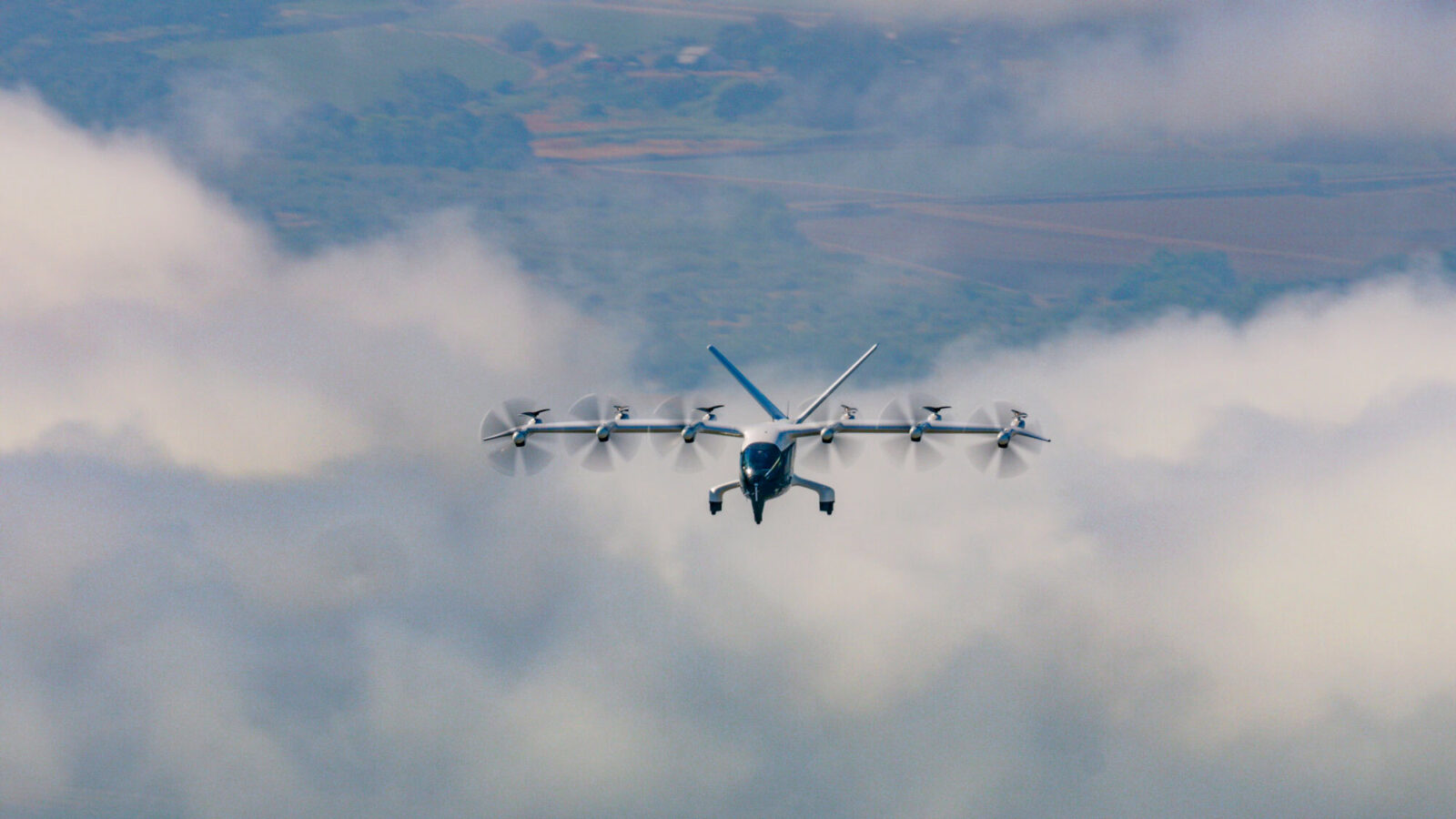
Archer Aviation is the latest company to figure out the best offense is a pivot to defense.
Shares in the air taxi developer entered Monday down more than 25% this year. Then, the company announced that Boeing agreed to divest three units, including one specializing in military drones, in exchange for an almost 20% stake. Shares in Archer rocketed 12% on the day.
It’s Accrual World
Since its founding in 2018, Archer has been at the forefront of efforts to make urban air-taxi networks, once the stuff of The Fifth Element and Blade Runner, no longer a strictly cinematic experience. With a market cap of roughly $4.8 billion, the company expects its electric vertical takeoff and landing aircraft, or eVTOL, to lift off in Texas, Florida and New York later this year as part of a White House pilot program. It also bought a Los Angeles-area airport last year for $126 million, with plans to operate an air taxi service for the 2028 LA Olympics, pending regulatory approval for commercial operations.
There are obstacles. The Federal Aviation Administration hasn’t yet certified any eVTOLs for commercial flights, and Archer rival Joby Aviation is further along in the approval process. Joby also has revenue, having reported $38.6 million in the second quarter last week, up from $24.2 million in the first quarter. On Monday, Archer reported just $5 million in revenue during the second quarter, up from $1.6 million in the first three months of the year. That’s less than the $6.1 million Blade Runner made during its opening weekend in 1982.
The vast majority of Joby’s revenue ($36.2 million) came from an acquisition, the helicopter and seaplane rideshare business it purchased from Blade last year. That means, until the FAA says otherwise, Archer’s main cash generator, like Joby’s, will be an acquired unit:
- Insitu, one of the three units to be acquired from Boeing, makes civilian and military drones and has supplied the US, UK and Ukrainian forces. It generates roughly $200 million in annual revenue and is profitable, Archer said.
- The other two units are Wisk Aero, another air taxi developer, and SkyGrid, an air-traffic software developer. All three will work with Zee, Archer’s AI model purpose-built for aviation.
Rally of the Rivals: Joby and Archer are eyeing commercial operations, and thus implicitly FAA approval, at some point between late 2026 and mid-2027, the arrival of which would likely send all stocks in the sector on an upswing.
Zuck Wants to Hand AI Power to the People. That Makes More Sense for Meta Than Its Rivals
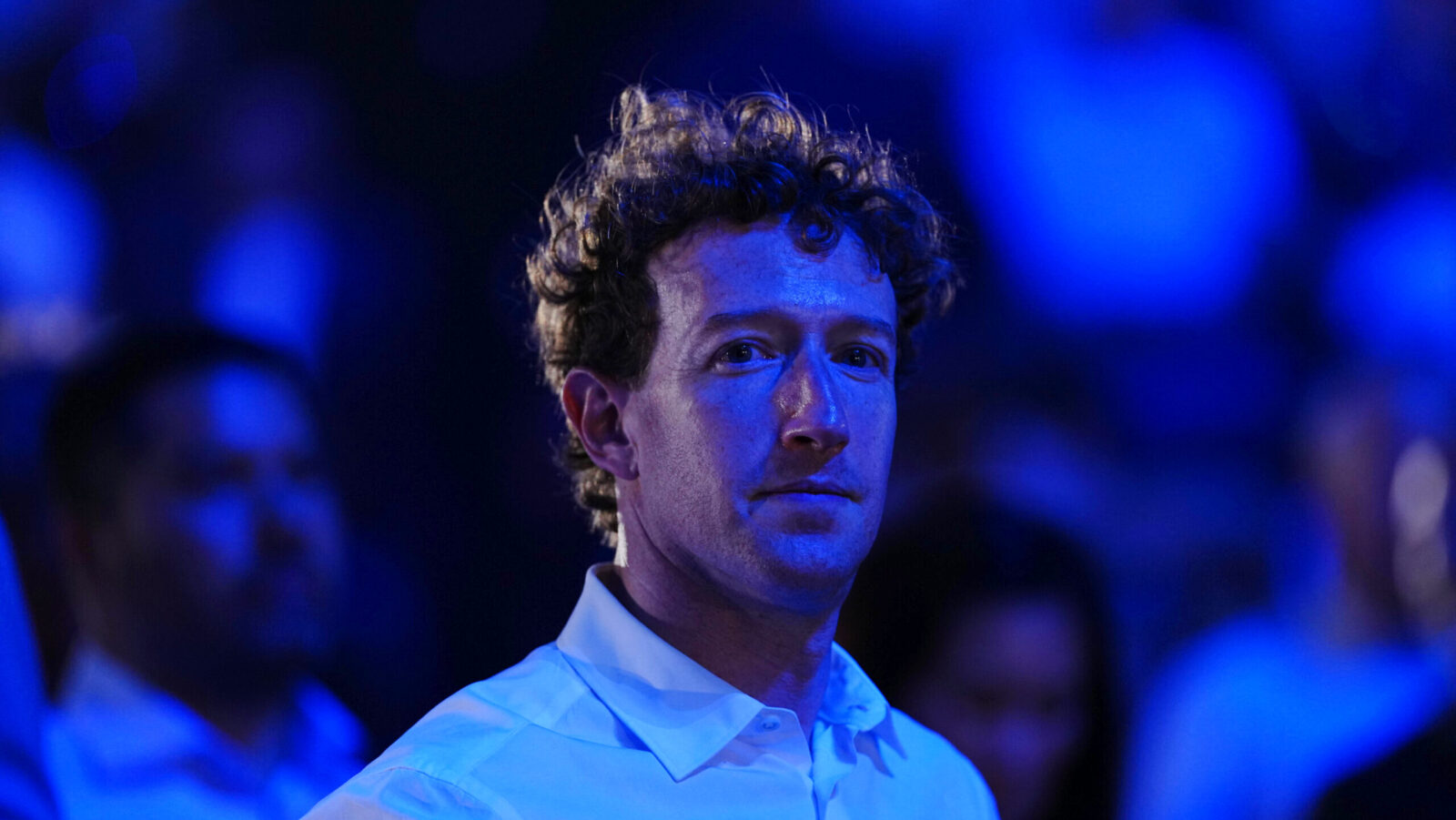
Mark Zuckerberg is making moves to be the AI guy — not the social media guy or the metaverse guy. Meta on Monday unveiled the parameters of its new AI model, Muse Glimmer, and CEO Zuckerberg published 6,500 words of AI musings.
Zuck asks AI companies to take down their gates so the tech’s top secrets won’t be restricted to a handful of institutions. He discourages AI doomers, instead taking an optimistic view of AI’s future — but only if AI becomes more open to both developers and anyone who wants to, as Zuck’s personal example goes, build a robot with their dad.
Share It With the Rest of the Class
Zuckerberg wants AI-makers to let everyone copy their homework, and Meta is leading by example. Developers can download the parameters or “weights” of Muse Glimmer and tweak them as they please, meaning the model is “open.” Meta said it plans to release the parameters of a version of its main Muse Spark model soon, too. The top AI models from OpenAI and Anthropic, by contrast, are under lock and key.
While Zuck frames the switch to open-source as a philosophy for everyone’s best AI future, it also may make more business sense for Meta than its rivals:
- ChatGPT surpassed 1 billion monthly active users earlier this year, according to Sensor Tower estimates. Meta has said its AI also has more than 1 billion users, but analysts have questioned the stat since Meta’s AI is embedded into its family of popular apps. Meta has also fallen behind Anthropic and Claude when it comes to coding, writing and other benchmarks.
- Zuckerberg also pushed for people to rethink their negative opinions on “distillation,” when one model is trained on another. Anthropic in June accused China’s Alibaba of using distillation to train its Qwen AI model, sparking a debate about whether the practice amounts to IP theft.
Heart on His Sleeve: One of Zuck’s shirts reads, “Aut Zuck Aut Nihil,” or “all Zuck or all nothing.” Zuckerberg is going all-in on his AI optimism, with Meta planning to spend as much as $145 billion on the tech this year. But he could be feeling added pressure to make AI a success after the last time he went “aut Zuck,” when his expensive bet on the metaverse didn’t live up to the hype.