Apple’s Supply Chain Woes Threaten All-Glass iPhone
Supply chain checks reveal that Apple has likely scrapped plans for its much-rumored “all-glass iPhone,” Jefferies says.
Sign up for smart news, insights, and analysis on the biggest financial stories of the day.

Apple can’t seem to shatter its own iPhone glass ceiling, and Wall Street is throwing rocks.
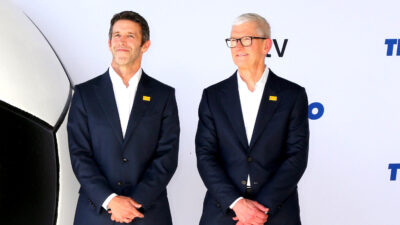
In a note to clients shared on Monday, Jefferies analyst Edison Lee wrote that an examination of the company’s supply chain checks reveals that it has likely scrapped plans for a much-rumored and eagerly anticipated “all-glass iPhone,” and slapped the company’s stock with a downgrade from a “hold” to a sell-equivalent “underperform” rating. It’s just the latest signal that incoming CEO John Ternus, set to take the top job at the start of next month, is inheriting something of a supply chain mess.
Hold the Phone
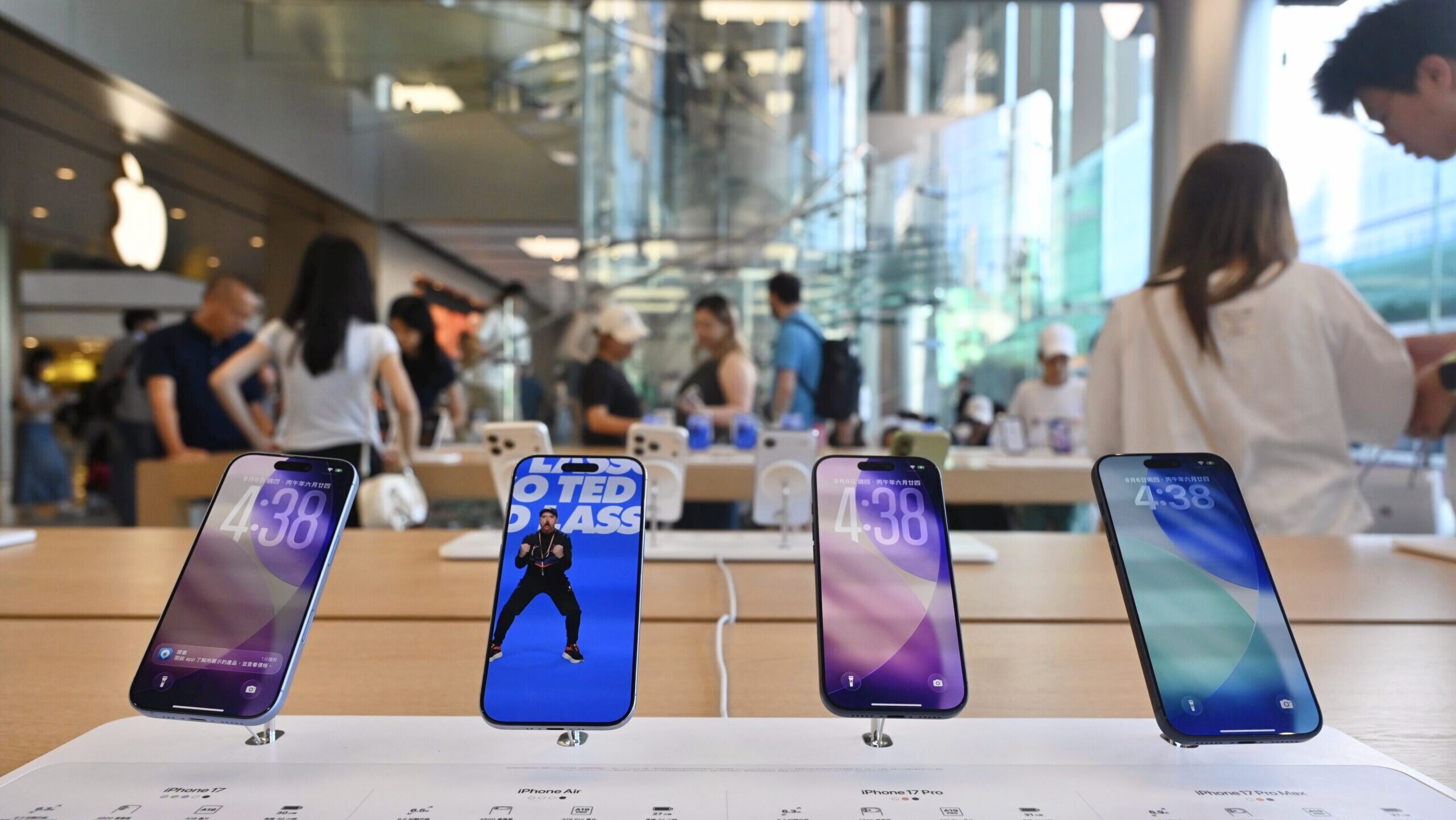
Apple’s iPhone 18 Pro and 18 Pro Max are expected to launch next month, and everyone is anticipating predictably incremental upgrades for the company’s flagship device. But next year marks the 20th anniversary of the very first iPhone, and most Apple onlookers and enthusiasts had expected the Cupertino, California-based company to deliver at least two radical reinventions of the generationally important smartphone: an all-glass version and a foldable version.
The former, argues Jefferies’ Lee, would have been crucial to Apple’s efforts to sell iPhones at a higher average selling price (ASP) over time; the all-glass version, likely scrapped due to low production yield, was widely estimated to carry a retail price of $2,060. That would be higher than any other iPhone, and Lee hypothesized that Apple would eventually introduce all-glass iterations as the ultra-premium tier of all its Pro and Pro Max iPhone lines. The foldable, estimated to run for $2,199, “will now be the only key driver of higher ASP and margin,” Lee wrote, though he conceded it would likely be a “niche” product at that price point.
In the meantime, Apple is struggling with runaway costs from soaring memory prices eating into the margins of its existing product lines:
- Apple has already raised the price of its Mac and iPad lines, and some suspect that a similar hike will arrive for the iPhone along with the forthcoming 18 model. According to recent TrendForce Data, a 256-gigabyte iPhone 18 Pro costs Apple 38% more to manufacture than the comparable previous model because of rising memory costs, destroying a longtime strategy of fattening profit margins by offering more storage at a steep markup.
- According to a report in The Wall Street Journal, Apple is now appealing directly to the White House for approval to use components from blacklisted Chinese memory-maker CXMT. Sources told The New York Times that officials are largely unsympathetic to the request.
Not Liking Them Apples: Jefferies is joining an increasingly large and increasingly dour choir on Wall Street with its newfound Apple skepticism. Six firms now hold a sell-equivalent rating on Apple stock, according to Bloomberg data, matching the highest level since 2012. Less than 60% of analysts now hold buy-equivalent ratings, way less than the 90% approval rating most megacap peers hold.
Recent News





-
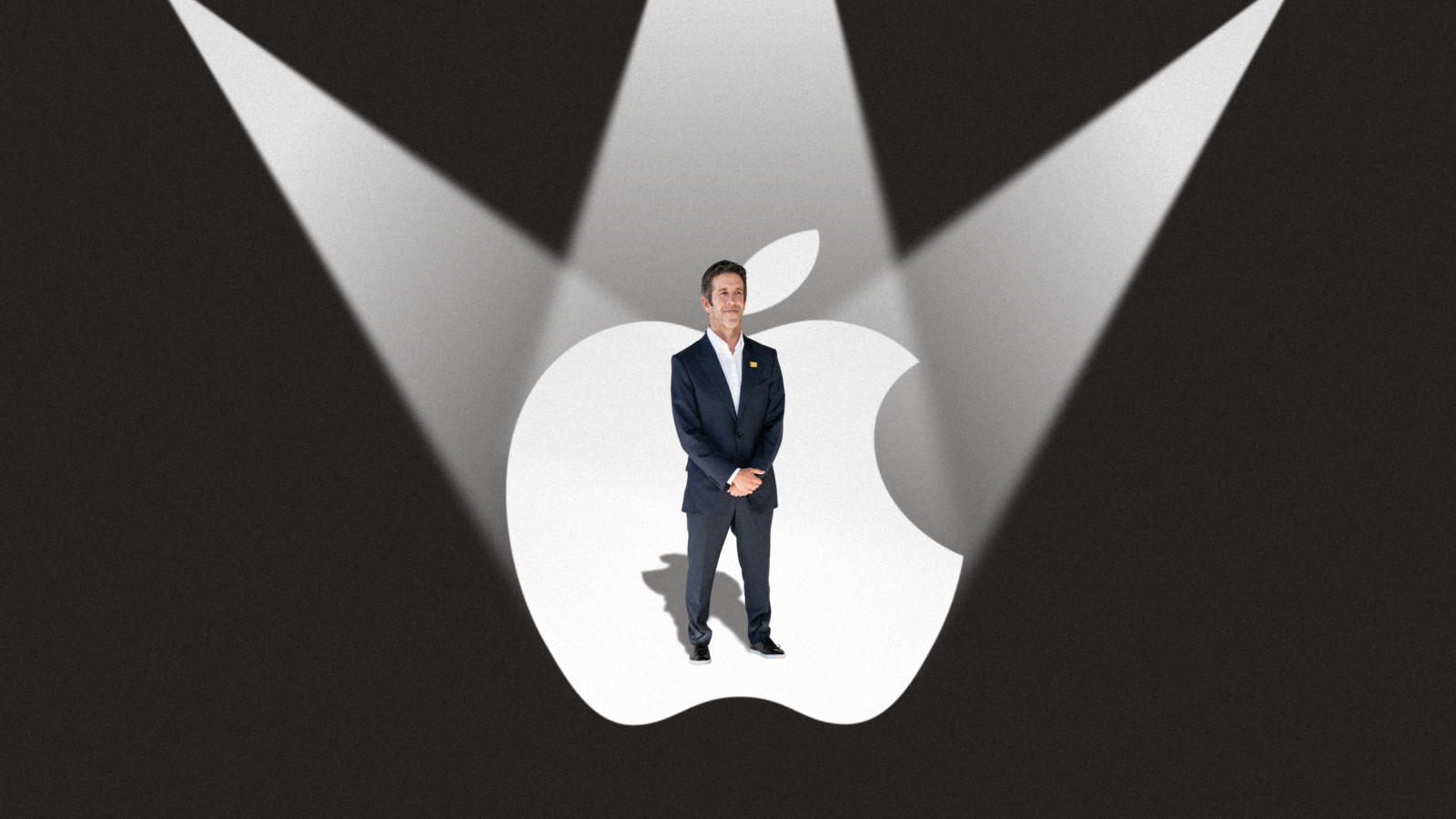
Say Hello to the New CEO. Where Will John Ternus Lead Apple?

Photo illustration by Connor Lin / The Daily Upside, Photo via Chelsea Blair/Sipa USA/Newscom
-

Photo via Simon Shin / SOPA Images/Sipa USA/Newscom