Microsoft’s New Laptop Competes to Bring AI Home
The Surface Laptop Ultra uses Nvidia’s RTX Spark Chip to run AI locally rather than outsourcing it to data centers.
Sign up for smart news, insights, and analysis on the biggest financial stories of the day.

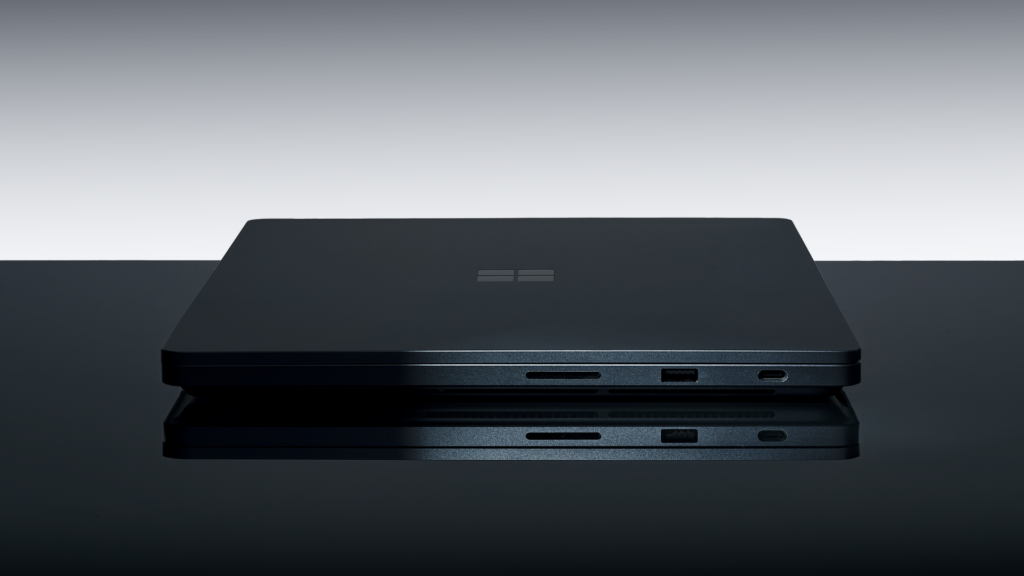
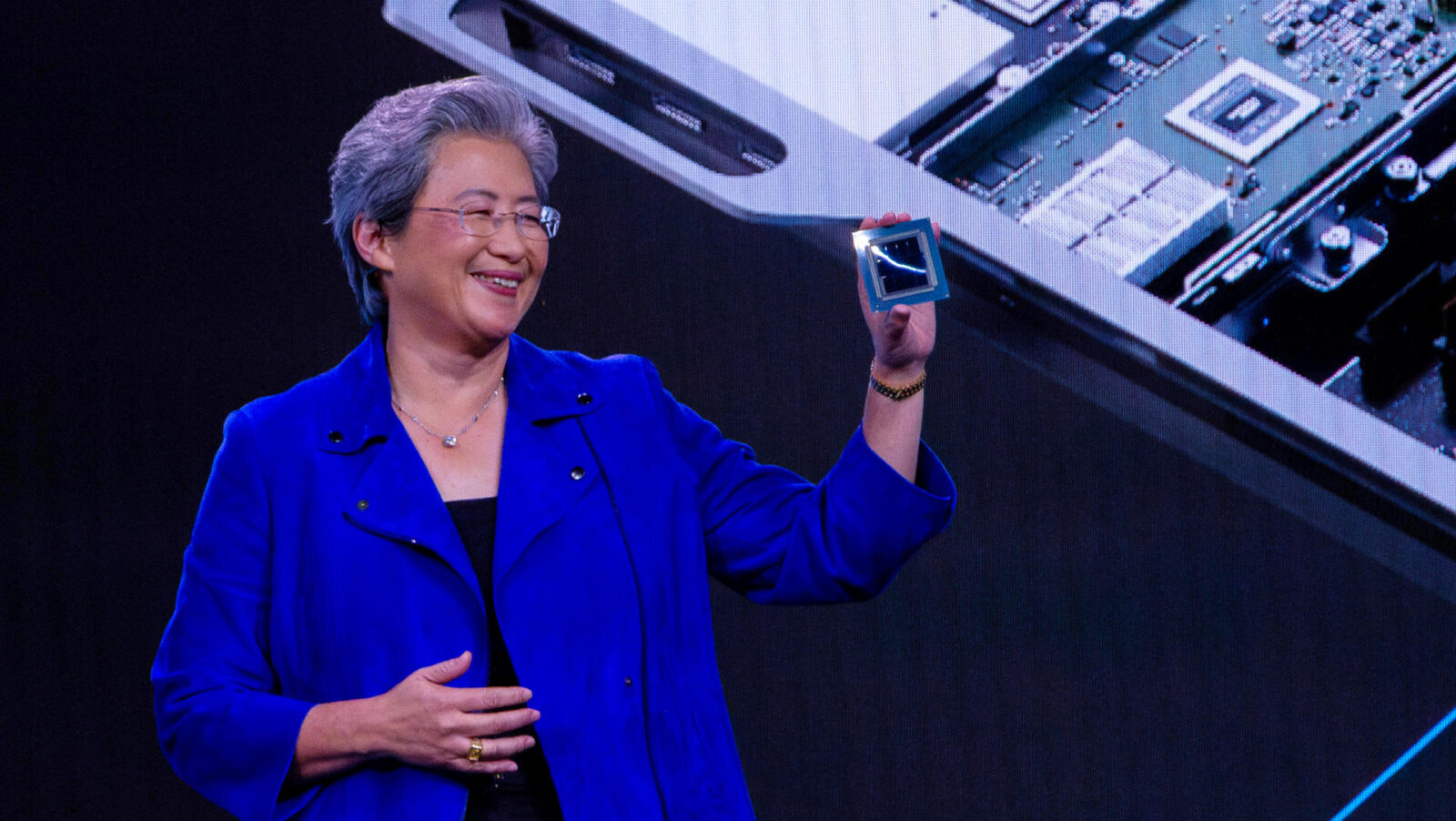
Microsoft is catering to AI power users with a new laptop made in partnership with Nvidia. The Surface Laptop Ultra, unveiled yesterday at Microsoft’s hardware-focused event in San Francisco, uses Nvidia’s RTX Spark Chip to run AI locally rather than outsourcing it to data centers.
The Big Tech team-up helps Nvidia secure its place in the Windows hardware ecosystem. While Nvidia chips have been a staple in gaming rigs made by the likes of Alienware and Asus, rivals Intel and AMD have dominated the market for most Windows PCs. AI has created an opening for Nvidia to put its chips in machines made for more than playing “PowerWash Simulator 2.”
For Microsoft, the new laptop will compete directly with devices focused on running AI locally, including Apple’s latest MacBook Pro.
AI Home Cooking
Running AI models at home compared to on the cloud is kind of like cooking a meal compared to ordering it. For something simple like a grilled cheese, home cooking makes sense, but more complex requests might make more sense for a professional kitchen. AI devices including Microsoft’s new laptop are typically optimized for straightforward AI tasks including simple coding or drafting a breakup text. Other AI tasks will still be sent to Microsoft’s data centers for processing.
Consumers are already arguing on Reddit about how much compute the laptop would need to bring to the table to justify its $2,600 price tag:
- The top 1% of individual AI spenders (not businesses) are splashing an average of $903 a month, as of August, an 80% increase over the past year and a half, according to a YipitData analysis by Andreessen Horowitz. Fintech company Ramp meanwhile found that the top 1% of corporate AI spenders are allotting $7,500 per employee monthly, and the top 10% are setting aside $611. Devices that can handle some of that workload locally, rather than eating up expensive tokens to send it to the cloud, could save big spenders big bucks over time.
- Power users proved they’re willing to pay up to run AI locally, when they scooped up Apple Mac Minis en masse for $599 a pop. But even with the cheapest version of the Mac Mini getting quietly discontinued this year, it’s unclear how many AI users will want to splurge on more expensive options. The privacy that comes with running locally could be a pivotal selling point.
Preloaded Advantage: Processing AI requests on local devices would take some pressure off Microsoft’s busy Azure data centers, as the industry rushes to build even more power-hungry data centers. At the same time, Microsoft’s AI laptops could help boost the popularity (and paid subscriptions) of its AI assistant, Copilot, which is preloaded on its laptops. It’s a playbook Microsoft’s familiar with, as anyone with a Microsoft PC that’s bought access to Word and Excel knows.
Recent News




-

Photo illustration by Connor Lin / The Daily Upside, Photo by Chanakon Laorob via iStock