Intel Considers Rejoining the Memory-Making Biz
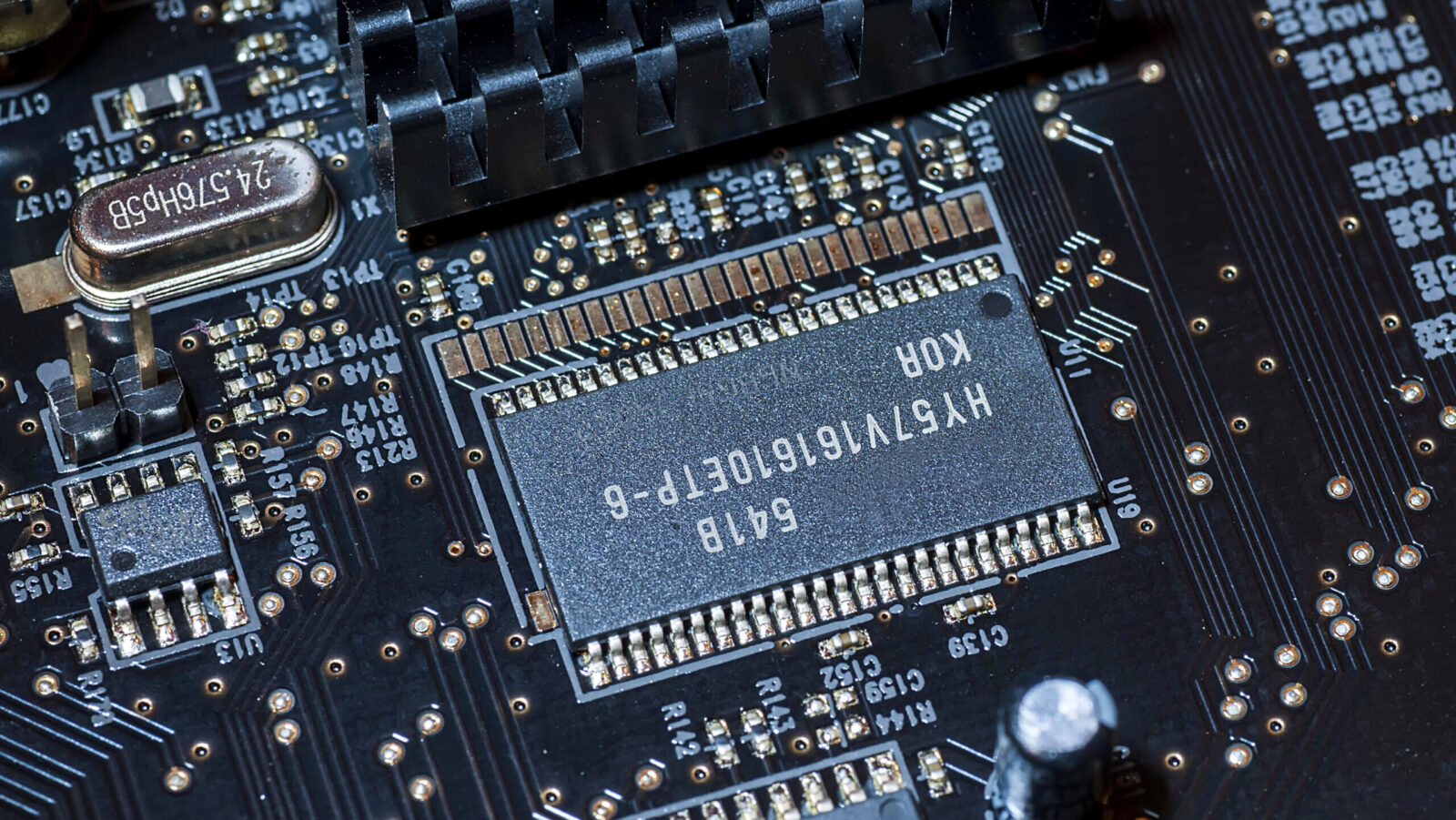
Intel is chatting with SK Hynix, Reuters reported, to forge a deal that would see the latter make memory chips in the US for the first time.
Sign up for smart news, insights, and analysis on the biggest financial stories of the day.

Intel is chatting with SK Hynix, Reuters reported, to forge a deal that would see the South Korean tech titan make memory chips in the US for the first time. Neither company has confirmed the report, with SK Hynix saying yesterday it’s exploring options to globalize its business but nothing has been finalized just yet.
The partnership could see SK Hynix lease part of Intel’s Ohio plant to churn out chips of its own or form a joint venture with Intel and cloud companies; sources say the details are up in the air.
The deal could give SK Hynix a toehold on US soil after US Commerce Secretary Howard Lutnick threatened to slap 100% tariffs on South Korean and Taiwanese companies (ahem, TSMC) that don’t ramp up US production. Intel may have even more to gain.
Thanks for the Memory
Intel’s first-ever product was a memory chip it launched in the 1960s. But Intel has been in and out of the memory sector since, as it put more focus on other aspects of its business, like microprocessors and foundries.
In 2020, Intel agreed to sell off its NAND flash-memory business to none other than SK Hynix. The $9 billion sale made sense at the time, since memory demand was finicky and Intel could use the capital to build foundries, but Intel probably kicked itself later:
- SK Hynix is now the top supplier of high-bandwidth memory and the second-largest NAND supplier behind Samsung (both types of memory are used for AI). Its South Korea-listed stock has experienced a meteoric rise of nearly 430% over the past year. SK Hynix last month broke ground on a $4 billion Indiana chip-packaging facility.
- AI’s insatiable need for memory has created a crunch that’s seeing hyperscalers pay top dollar to book supply years out. Intel, meanwhile, is left competing for tight supply in an industry it once pioneered.
Fab Comeback: Don’t feel too bad for Intel. Billions in investment from the Trump administration turned the company’s fortunes around after it missed both the mobile and AI booms. Intel’s second-quarter revenue rose 25% from the previous year, its strongest showing in more than 15 years.
Recent News


-
From iPads to XBoxes, Device Prices Soar as AI Hoards Memory Chips

Photo illustration by Connor Lin / The Daily Upside, Photo by Roberto Bucci via iStock