GE Aerospace Makes $12B Play in Clogged Market for Cast Metal Parts
For GE Aerospace the acquisition represents a critical chance to it expand its own production capacity amid booming demand.
Sign up for smart news, insights, and analysis on the biggest financial stories of the day.

On Tuesday, GE Aerospace announced its largest deal yet in the post GE-breakup era, and it’s an acquisition straight out of central casting.
The industrial giant agreed to pay nearly $12 billion for longtime castings supplier Consolidated Precision Products (CPP). Sure, it may appear as a ho-hum example of vertical integration, but a confluence of forces has made castings the chokepoint of a pan-industrial bottleneck and bringing the supplier in-house places GE Aerospace in the center of the industry.
Cast Away
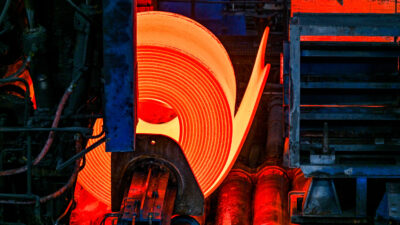
Casting, or the process of pouring liquid hot metal into molds to create new component pieces, may sound simple. But for the incredibly complex modern aircraft engines and equipment made by GE Aerospace, it’s a process that can actually take years, if not decades, hence the intense bottleneck bedeviling the entire industrial machines business. While CPP has been a supplier to GE Aerospace for more than 15 years, the company said Tuesday that it will continue to maintain “a significant book of third-party business” once it’s brought in-house. That includes business with a who’s who of heavyweight names including Honeywell, RTX and Lockheed Martin. CPP expects to garner about $2 billion in revenue during its fiscal 2027, with about 60% stemming from commercial aerospace clients and another 20% from the defense sector.
For GE Aerospace, which is buying CPP at about 26 times its projected 2027 earnings, the acquisition represents a critical chance to expand its own production capacity, which has been thoroughly outstripped by a post-pandemic boom in demand:
- In its most recent earnings call, GE Aerospace said its backlog had ballooned to $210 billion. That comes as the company, a major supplier for both Boeing and Airbus, says orders for its commercial engines are up about 50% through the first half of the year.
- At the same time, the company has copped to significant delays due to supply-chain snags. In the second quarter, spare parts delinquencies and delays increased 20% from the prior quarter, CFO Rahul Ghai said in a conference call with analysts.
SpaceX Marks the Spot: The company’s investment “in mission-critical casting capacity is needed to support the strong simultaneous demand across commercial engines, aftermarket and defense,” CEO Larry Culp said in a statement Tuesday. Culp is far from the only industrial CEO who sees castings as mission critical these days. The deal, expected to close in the second half of next year, comes just after Elon Musk suggested SpaceX could move to develop its own in-house casting capacity as its AI unit faces a shortage of power turbines.