All Aboard: Boeing Sells Three Subsidiaries to Air Taxi Rival Archer for a Stake
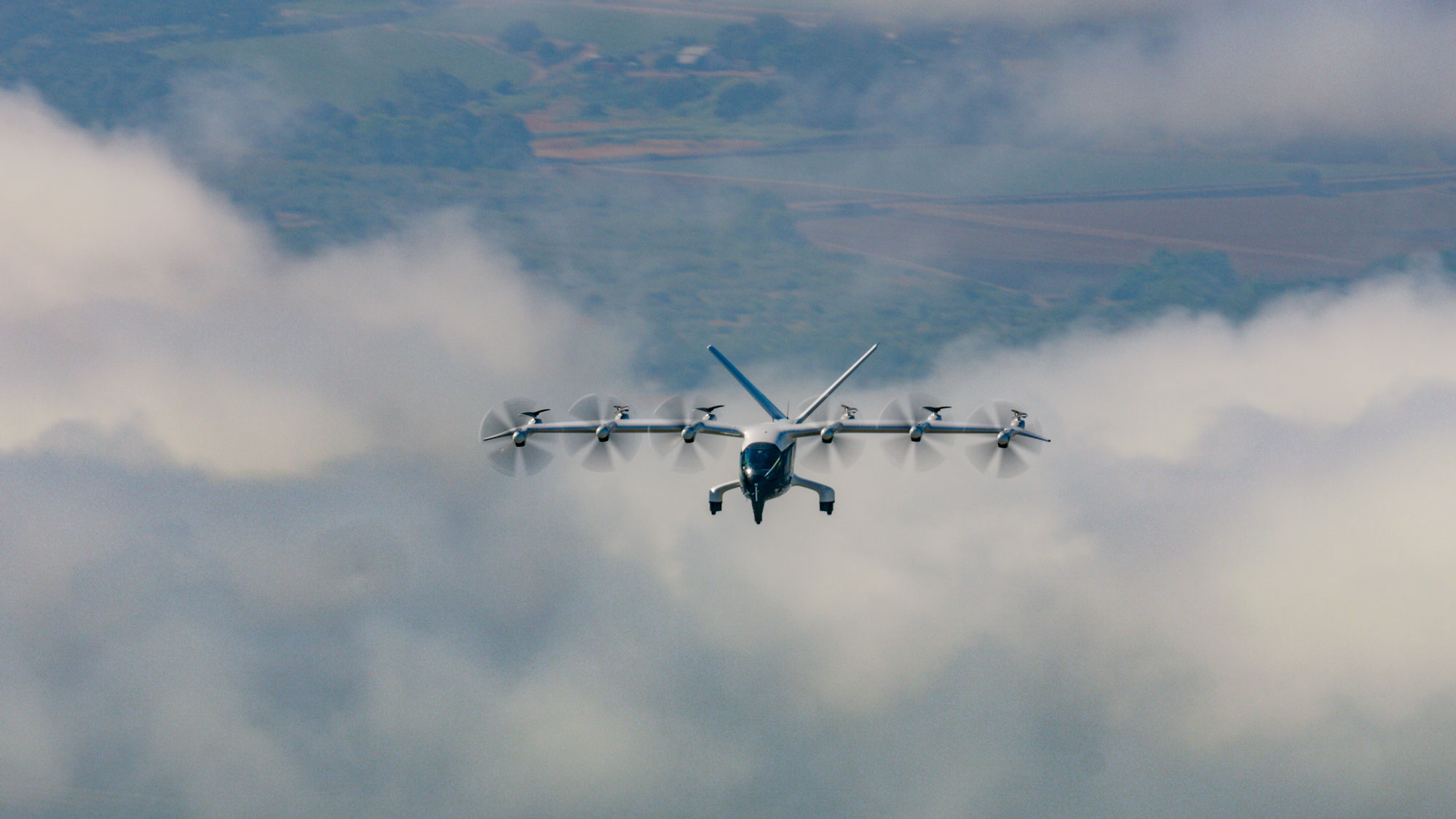
Since its founding in 2018, Archer has been at the forefront of efforts to make urban air-taxi networks and eVOTL aircraft.
Sign up for smart news, insights, and analysis on the biggest financial stories of the day.

Archer Aviation is the latest company to figure out the best offense is a pivot to defense.
Shares in the air taxi developer entered Monday down more than 25% this year. Then, the company announced that Boeing agreed to divest three units, including one specializing in military drones, in exchange for an almost 20% stake. Shares in Archer rocketed 12% on the day.
It’s Accrual World
Since its founding in 2018, Archer has been at the forefront of efforts to make urban air-taxi networks, once the stuff of The Fifth Element and Blade Runner, no longer a strictly cinematic experience. With a market cap of roughly $4.8 billion, the company expects its electric vertical takeoff and landing aircraft, or eVTOL, to lift off in Texas, Florida and New York later this year as part of a White House pilot program. It also bought a Los Angeles-area airport last year for $126 million, with plans to operate an air taxi service for the 2028 LA Olympics, pending regulatory approval for commercial operations.
There are obstacles. The Federal Aviation Administration hasn’t yet certified any eVTOLs for commercial flights, and Archer rival Joby Aviation is further along in the approval process. Joby also has revenue, having reported $38.6 million in the second quarter, up from $24.2 million in the first quarter. On Monday, Archer reported just $5 million in revenue during the second quarter, up from $1.6 million in the first three months of the year. That’s less than the $6.1 million Blade Runner made during its opening weekend in 1982.
The vast majority of Joby’s revenue ($36.2 million) came from an acquisition, the helicopter and seaplane rideshare business it purchased from Blade last year. That means, until the FAA says otherwise, Archer’s main cash generator, like Joby’s, will be an acquired unit:
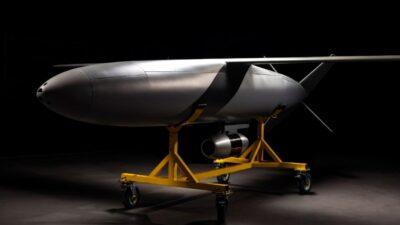
- Insitu, one of the three units to be acquired from Boeing, makes civilian and military drones and has supplied the US, UK and Ukrainian forces. It generates roughly $200 million in annual revenue and is profitable, Archer said.
- The other two units are Wisk Aero, another air taxi developer, and SkyGrid, an air-traffic software developer. All three will work with Zee, Archer’s AI model purpose-built for aviation.
Rally of the Rivals: Joby and Archer are eyeing commercial operations, and thus implicitly FAA approval, at some point between late 2026 and mid-2027, the arrival of which would likely send all stocks in the sector on an upswing.
Recent News
-
Re-Energized EV Market Grapples With Growing Drain on Profitability

Photo illustration by Connor Lin / The Daily Upside