

Good morning.
The rise of streaming has been rough on traditional late-night television. This decade has seen HBO’s Patriot Act with Hasan Minhaj, TBS’ Full Frontal with Samantha Bee, NBC’s A Little Late with Lilly Singh, Showtime’s Desus & Mero, and CBS’ After Midnight, The Late Late Show with James Corden and The Late Show with Stephen Colbert all go off the airwaves. But at least one former star is making the best of technological disruption.
Cybersecurity firm Adaptive Security said Tuesday that it hired Conan O’Brien, the former NBC and TBS late-night host turned podcaster, to helm a series of comedic training videos focusing on the dangers of AI-enabled attacks like deepfakes and voice cloning. The 15 resulting episodes are available only to its employees and clients. Adaptive says workers tend to skip traditional training videos foisted on them by HR, and what makes its new approach different is “it has Conan.” We’re guessing Matt Damon is unavailable to host a video on the potential pitfalls of crypto investing.
Trade with Tax Insights Your Friends Don’t Have

Have you heard about self-directed investing at Betterment? Trade from thousands of stocks and ETFs with fractional shares, zero commissions, and tax insights other apps don’t have.
What sets Betterment apart is their Tax Impact Preview. It’s a tool that shows you the tax consequences of a trade before you make it, including wash sale risk, so you can make smarter decisions with no surprise tax bills. Betterment thinks about your taxes all year long, so you don’t have to.
Automated investing, retirement savings, and self-directed investing living in one place, with one login, and one clear picture of your finances.
Invest how you want on a platform you trust.
Marvell Joins S&P as Volatility Slams Chip Sector
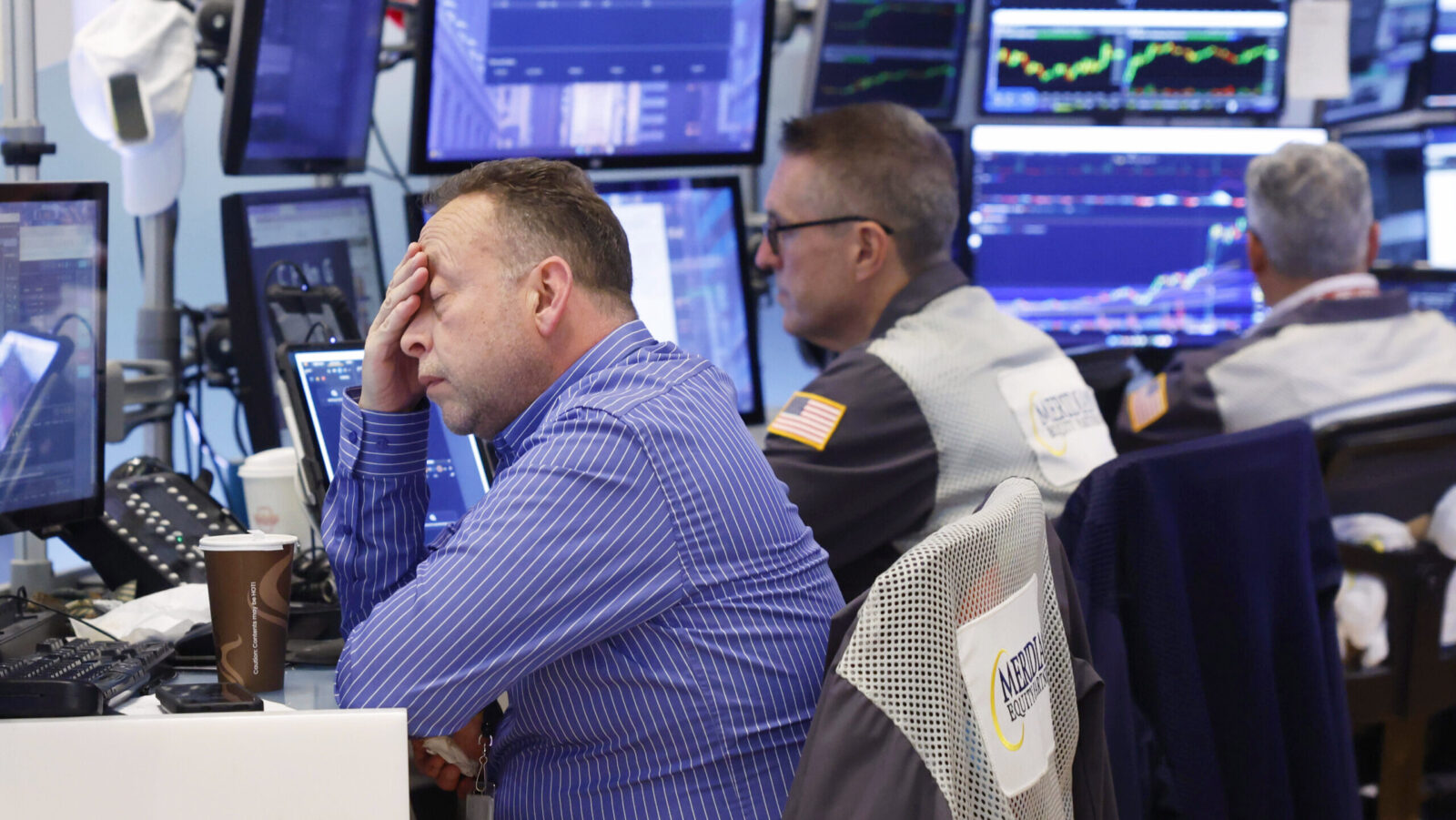
Marvell Technology’s timing has been not so marvelous.
Shares of the semiconductor company jumped more than 9% on Monday during its first session trading on the S&P 500. The exuberance is typical of the so-called “S&P Bump.” While the sugar high historically wears off over time, Marvell’s bump smoothed out atypically fast; shares of the company plummeted nearly 8% on Tuesday as part of an ongoing chip sector rethink. But it’s unclear whether the sector is entering correction territory.
Whiplash
There’s been a bit of a vibe shift since Nvidia CEO Jensen Huang tabbed Marvell (current market cap $229 billion) as “next trillion-dollar company” just a week ago. An after-the-bell earnings call from Broadcom last week that showed its outlook for AI-related sales was merely really excellent, rather than the near–perfect expectations Wall Street had priced in, triggering a sector-wide selloff. The Nasdaq 100 fell about 5%, while the S&P fell 2.6% on Friday, bringing to an end a nine-week winning streak for the index.
Monday delivered a rebound, only to dip again on Tuesday as the chips sector rebound ran out of steam. BNP Paribas analysts warned clients that the forthcoming massive SpaceX IPO may be leading retail investors to sell semiconductor stocks to buy into Elon’s tech conglomerate, and now a schism is forming on Wall Street over what to do next:
- On the more pessimistic side, Bank of America’s top US equities analyst on Friday published a note warning there are “too many red flags,” including the particularly high expectations for future earnings growth, and said it was “time to take profits.”
- On the more optimistic side, JPMorgan Asset Management portfolio manager Jack Caffrey said on Bloomberg’s Surveillance show that he expects stocks to continue to power through the volatility.
Narrowing the Field: “A lot of it’s just simply positioning. For the first two months of the year, about two-thirds of the market was outperforming the S&P,” Northwestern Mutual portfolio manager Matthew Stuckey told The Daily Upside. “From the end of February up until Broadcom reported earnings, just a little over 20% of companies were outperforming. It got really narrow as rates rose.”
The Average AI Startup Exited at $520M Last Year

This one is still under $35 million. A generative AI coach for your golf swing, Sparrow already has 250k+ users and revenue growing 85% a year. And for once, retail investors can get in early, with a 20% share bonus while the raise is open. See the raise.**
Pentagon Blacklists Chinese Tech Giants, Setting Up Potential Restrictions

Since the start of the second Trump administration, the temperature of US-China relations has fluctuated more than the temperatures in the Gobi Desert. This week, things are frosty enough to keep a bowl of Baobing from melting.
The Pentagon accused many of China’s top technology companies of assisting their country’s military, essentially singling them out as a national security threat. The implications will become more complicated at the end of this month, and even more so in a year’s time.
New Rules
At the core of the issue is the Department of Defense’s Chinese Military Companies List. Set up in 2021 with the blessing of Congress, it identifies companies officials consider linked to Chinese military or security forces. The list grew this week with the Pentagon adding firms that are considered to offer industrial or technological benefits to the military.
Headlining the list of companies that were added are e-commerce giant Alibaba, search giant Baidu, and BYD, which leapfrogged Tesla to become the world’s largest electric vehicle manufacturer last year. All three insist their inclusion is baseless and deny being part of a strategy of military-civil fusion. Other newly listed firms are EV maker Nio, battery manufacturers CALB and EVE Energy, sensor manufacturer Robosense, and Unitree, another Tesla competitor that led Elon Musk’s company in humanoid robot shipments last year. There are no immediate repercussions for being on the list, but it risks reputational harm and the Pentagon has increasingly used the so-called 1260H designation to restrict companies from contracting with the US military or getting funding for research. Things will also soon change:
- Beginning June 30, the DoD will be officially barred from contracting directly with companies on the list. Many of the companies, unsurprisingly, have a major role in China’s AI economy, a sector where the US is focused on maintaining technological and military advantages.
- A year later, on June 30, 2027, the DoD will not be allowed to procure the products or services of companies on the list through third parties. That means US firms that have ties with companies on the list could risk their own federal contracts.
A Real Deal: Less than two weeks ago, US chipmaker Nvidia announced a partnership with Unitree, which is planning to IPO in Shanghai, to build humanoid robots to assist academic researchers. That’s an example of the kind of partnership that may fall under scrutiny, given Nvidia works with the Pentagon. Investor sentiment, however, is muted for now: Hong Kong-listed shares of Alibaba and BYD fell 1.4% Wednesday, while Baidu was flat. Market reaction may be limited for now because the ups and downs of US-China economic relations have generally eased after tense periods in the last year. After all, we went from each side threatening Shanghai Tower-sized tariffs on each other last summer to President Donald Trump recently praising his Chinese counterpart and Xi Jinping gifting him rose seeds for the White House garden.