

Good morning and happy Monday.
The US and Iran have a deal. Officials from both countries confirmed on Sunday that they reached an interim peace agreement, more than three months after the US launched strikes on February 28. A signing ceremony is scheduled for Friday in Geneva, after which the US will be expected to lift its blockade of Iranian ports and Iran will be expected to reopen the Strait of Hormuz. Washington and Tehran will then have 60 days to negotiate a final agreement, but can also extend the complex talks.
It’s welcome news for consumers and companies feeling the crunch of skyrocketing energy prices. Brent crude, the international oil benchmark, is down 4.8% this morning to $83.09 per barrel. That’s in line with the lowest levels since early March and well off its $125 late April peak. So cheer up, California: Gas might cost $5.74 a gallon in the most expensive state in the nation, but you could soon be paying those enviable $4.36 New York prices.
Wall Street Is Preparing for Kevin Warsh’s First FOMC Meeting as Head of the Fed
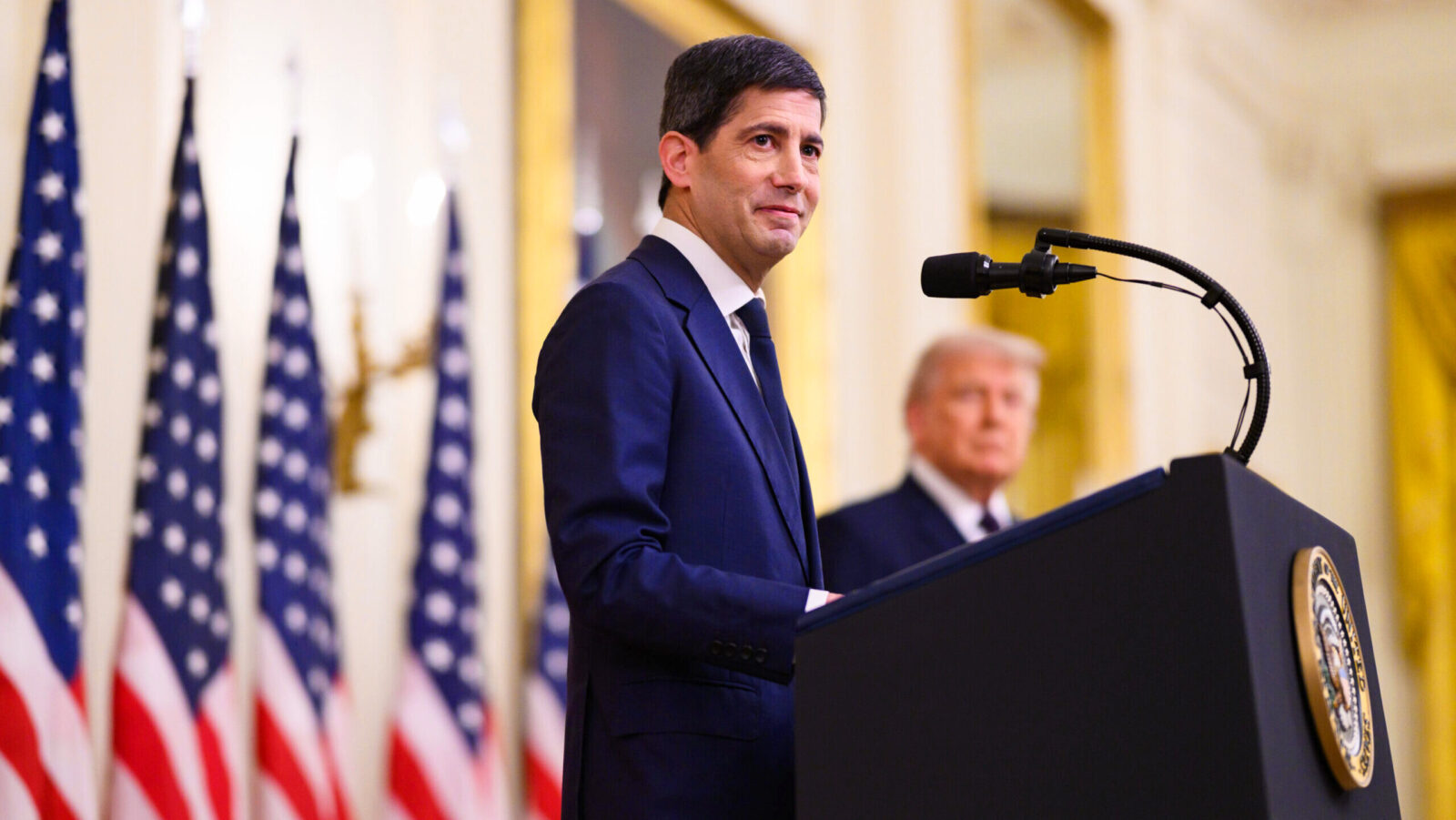
It’s Warsh’s world; we just live in it.
The Federal Open Market Committee (FOMC) meets for the first time this week under new Federal Reserve chair Kevin Warsh. With the labor market looking solid but inflation jumping to a three-year high of 4.2% in May, a rate cut likely isn’t in the cards. As of Friday, CME FedWatch puts the probability of the Fed holding rates steady at nearly 99% for this meeting, and 92% for the one in July.
But it’s not necessarily the direction of interest rates this month that investors, economists and all the experts in between will be paying attention to. It’s what Warsh says about where rates are heading, and how he says it.
Quiet, Please
For eight years, Wall Street navigated a Jerome Powell-led Fed as he “revolutionized the way Fed chairs communicate with the public,” David Rubenstein, co-founder of the Carlyle Group recently said in an interview with CNBC. Former Fed Chair Ben Bernanke held the first post-FOMC press conference in 2011, kicking off a quarterly tradition. Powell was the first Fed head to talk to the media after every meeting. “Jay Powell has brought transparency to the Fed and I think that’s a good thing,” Rubenstein said.
Not everyone agrees. During his confirmation hearing, Warsh criticized FOMC members for essentially talking too much about which direction they think interest rates should go. He didn’t say he would get rid of the press conferences, and one is slated for Wednesday, but it wouldn’t come as a surprise if he keeps the public at arm’s length.
Time will tell, but all eyes will be on the central bank by mid-week:
- John Luke Tyner, portfolio manager at Aptus Capital Advisors, tells The Daily Upside Warsh will likely spend most of this week’s press conference trying to clearly communicate what the market is pricing in (“no cuts, but [he] may try to talk down hike expectations”). Separately, Warsh is going to have to spend time and his political capital in driving consensus across the Fed board, since his talking points diverging significantly from the overall committee could spook markets, he added.
- JPMorgan Wealth Management’s chief investment strategist Phil Camporeale predicts “an explicit move away from a bias toward easing to a neutral stance on rates.” Market watchers will also be homing in on the dot plot, a quarterly chart that shows where policymakers expect the federal funds rate to be at the end of the year, in the next few years and in the long run.
If Not Now, Then When? A majority of economists surveyed by Reuters believe the Fed will hold the federal funds rate steady throughout 2026. Goldman Sachs now expects rate cuts in June and December 2027, compared with the December 2026 and March 2027 cuts it had previously predicted.
Diversify Concentrated Stock Without the Tax Hit

Every long bull run produces the same balance-sheet problem. The equity grant that built the wealth is now too risky to hold and too taxed to sell.
The choice usually comes down to selling now or holding and selling later. Both end at the IRS.
Aspiriant’s recent insight walks through a third option. Tax-aware long-short strategies, run by managers like AQR and Quantinno, harvest losses whether markets rise or fall. Those losses may offset gains as the concentrated position gets trimmed.
The insight covers how the mechanism actually works, where the $1M minimums sit, why 1099 reporting can feel easier than a K-1, and how it pairs with PVFs and exchange funds inside a broader plan.
Sometimes sophisticated investing is less about chasing returns and more about managing capital gains.
Amid World Cup Mania, FanDuel Parent Drops Dual Listing
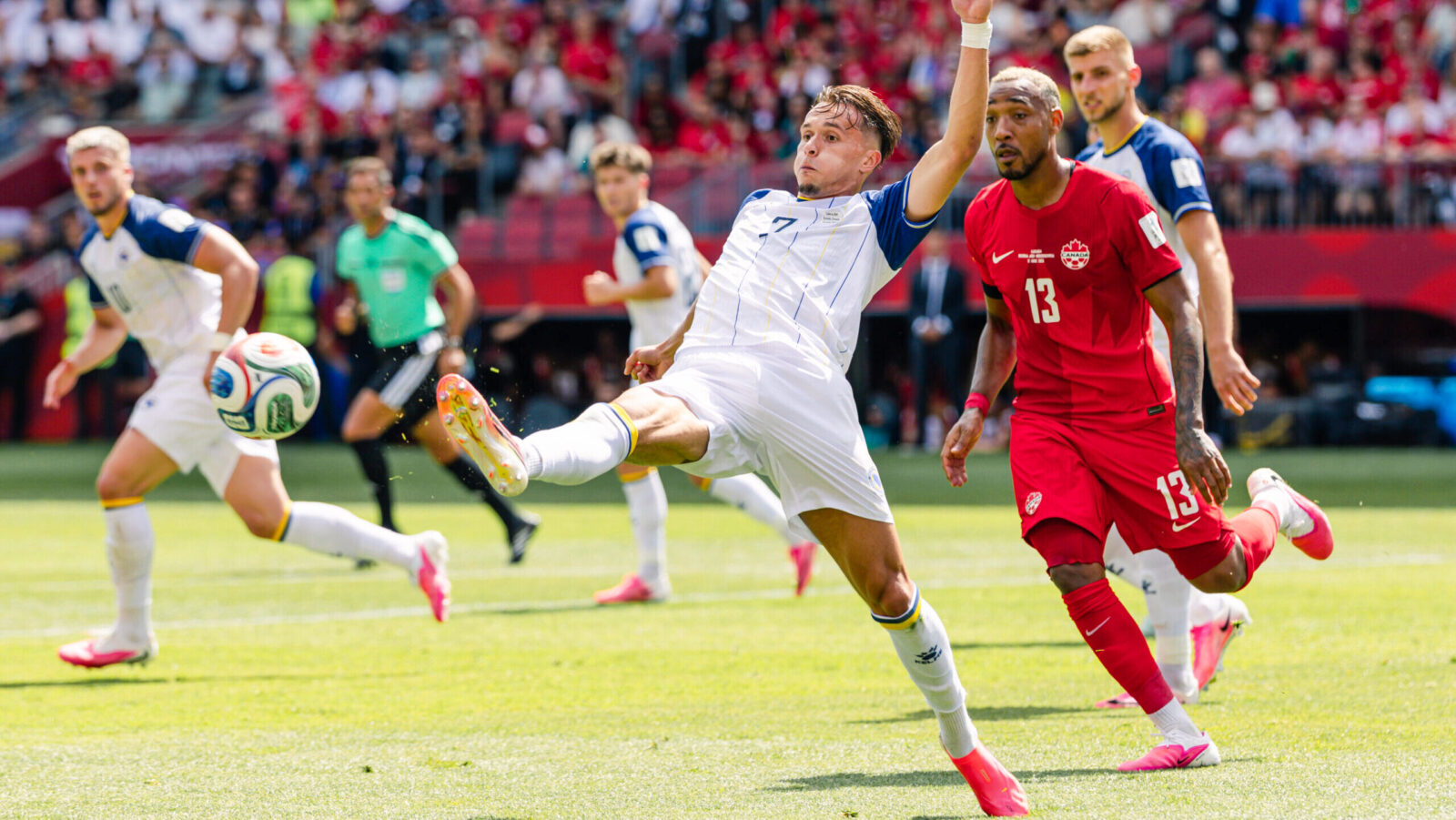
Just in time for the World Cup, FanDuel parent company Flutter has renounced its dual citizenship, leaving the London Stock Exchange and pledging its allegiance to the US with a sole listing on the New York Stock Exchange.
As far as soccer (or, umm, football) fandom is concerned, it’s not exactly a good move: England has +750 odds to win the cup, per FanDuel on Friday, while Team USA sits at a longshot +6000. But the company hopes that the London delisting announced Friday can save it a few pennies, win back a few more fans on Wall Street, and reverse a negative narrative at a critical moment for the sports gambling world.
Prediction Market Parlay
The 2026 World Cup might be the biggest event in sports betting history. Flutter told Barron’s last week it expects to manage 100,000 bets per minute at peak World Cup times, and experts project $50 billion total will be wagered during the 104-game-long tournament. Meanwhile, legalized sports betting has proliferated in the US since the last time Americans decided to try and care about soccer; around 65% of the US adult population now lives in states with legalized sports betting, up from around 40% during the 2022 Qatar-hosted tournament.
So why is Flutter entering the World Cup already down a couple goals? Since 2022, legalized gambling has proliferated … and been utterly disrupted by prediction markets like Kalshi and Polymarket. Flutter’s NYSE-listed shares have fallen more than 60% since an all-time peak in August of last year, though the company has worked diligently to hedge its bets as prediction markets rip pages out of its book:
- Prediction markets now process more action than the sports books. In April, Polymarket processed $9 billion in trading volume, according to onchain data platform Dune Analytics. In its most recent earnings call, Flutter said FanDuel’s monthly handle came in at about half of that, and was down 9% year-over-year.
- But Flutter is now in on the prediction market action, launching FanDuel Predicts with CME Group in December. It also now acts as a “market-maker” on rival platforms, providing liquidity by offering event contracts; in May, the company told the Financial Times that market-making, fueled by “world-class proprietary pricing capabilities,” has become “a good contributor” to its revenues.
Book Busters: At a time of stalled-out user growth, the company is hoping the World Cup can draw in some new users. In the meantime, existing users are on a heater. An overwhelming amount of money was wagered on the underdog New York Knicks to defeat the San Antonio Spurs heading into the NBA finals, creating something of a massive liability for sportsbooks, according to one BetMGM analyst. The Knicks became NBA champions on Saturday, snapping a 53-year title drought and a lifetime undefeated streak for the House that used to always win.
Your Window Seat to Europe? Don’t Bet on It

Nearly 1 in 4 US households have an airline rewards card. The points they hold are often the difference between a summer trip and staying home. The Credit Card Competition Act puts that at risk — rerouting your card transactions, draining rewards and fraud protection alike. And it now has White House support and momentum. Defend the rewards you’ve earned.