
Good morning.
Now that his pick for Federal Reserve chair is in place, President Donald Trump appears much more amenable to the central bank holding interest rates steady. “It’s all right, whatever,” he said yesterday, after new Chair Kevin Warsh’s first interest-rate meeting ended, as expected, without a rate cut.
Warsh, at a press conference, said the Federal Open Market Committee had only “limited” conversations about a rate cut, something the president has openly advocated for, adding policymakers still “have some work to do on the price stability front.” Several Fed officials even projected a rate hike this year, with many suggesting the federal funds rate will close 2026 at 3.8%, or a quarter-percentage point above the current target range. Here’s guessing the CEOs of highly leveraged companies out there would have a lot more than “whatever” to say to that.
Brightening Prospects for Intel’s Foundry Drive Stock Gains
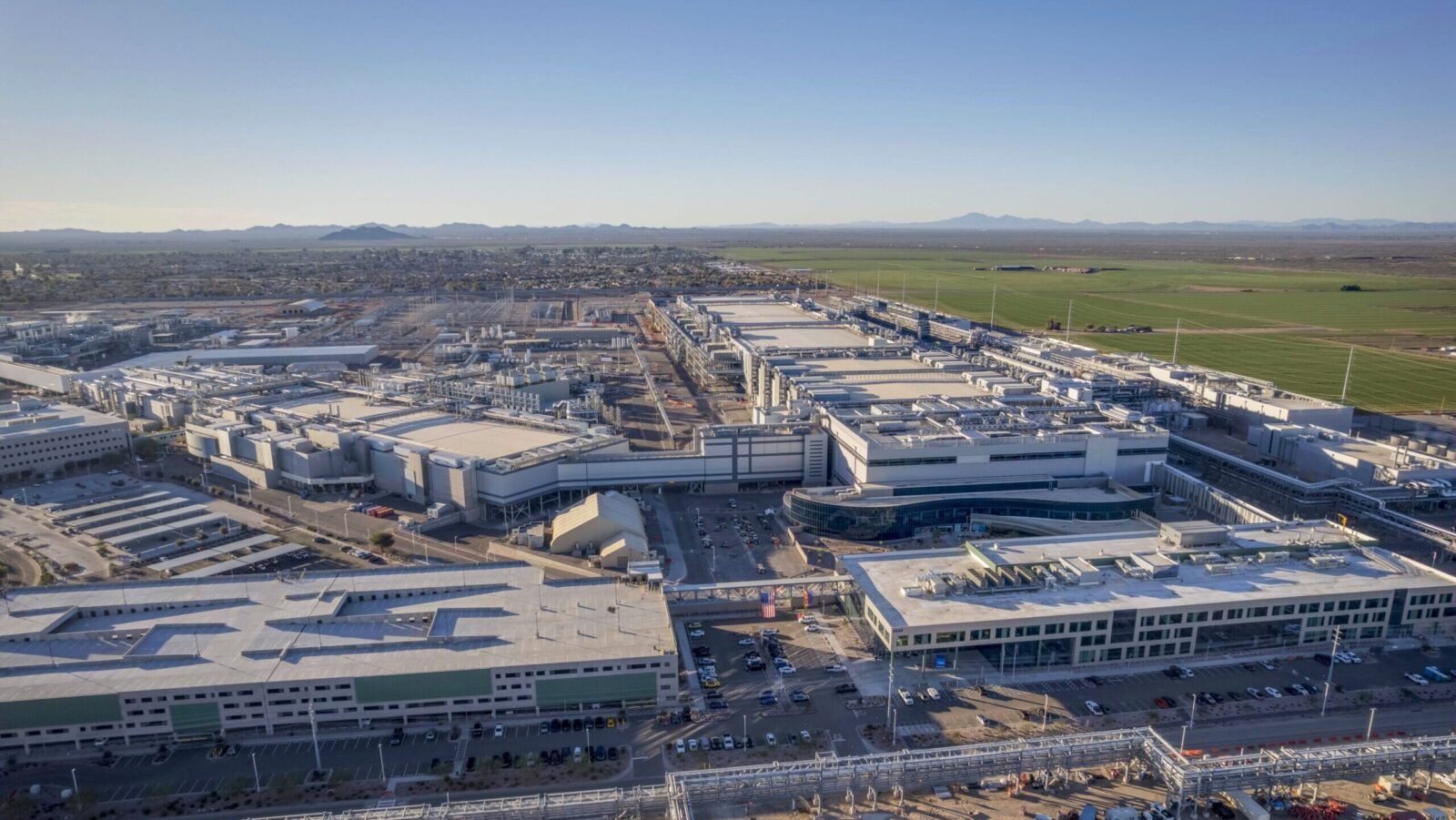
Intel is seeking Repentium, and with its stock up 228% this year, markets appear more than willing to grant absolution for the money-losing ways of its semiconductor manufacturing unit.
The California tech giant’s shares popped 3.5% on Wednesday despite the broader market’s allergic reaction to Federal Reserve officials raising the prospect of an interest rate hike. While the S&P 500 sank 1.2% and the Nasdaq Composite dropped 1.3%, Intel was floating on new promise for its foundry.
Three’s Company
There are only three major chipmakers capable of mass-producing the most advanced semiconductors: Taiwan Semiconductor Manufacturing Co. (TSMC), South Korea’s Samsung and Santa Clara, Calif.-based Intel. TSMC is the undisputed leader among them, boasting a 70% share of the global foundry market and world-class customers such as AMD, Apple, Broadcom and Nvidia.
Intel, meanwhile, mostly manufactures chips for in-house use. But running a specialized factory to make semiconductors is expensive: Intel’s foundry unit, which posted an operating loss of $2.4 billion on $5.4 billion in sales during the first quarter, has been generously described as a “loss leader.” In the golden age of chips, that’s not optimal. Intel is working to change it, with both internal and external incentives.
South Korea’s Chosun reported in March that TSMC’s advanced manufacturing capacity is almost fully booked through 2028, with the trillions in expected capital spending on AI over the next few years leaving it unable to keep up with demand. That puts Samsung and Intel in a position to woo customers. Intel upped the ante Tuesday when it began “risk production” with its 18A-P manufacturing process, which the company said can make chips run 9% faster using the same amount of power as its standard 18A process. The timing comes as more and more signals suggest major semiconductor buyers are exploring diversifying their supply chains:
- Nikkei Asia reported Wednesday that several key buyers, including AMD, BYD, Google and Tesla, have reached out to Samsung about its chipmaking capacity.
- The news magazine said last month that Google and Taiwanese chip designer MediaTek are designing custom chips leveraging Intel’s Embedded Multi-die Interconnect Bridge technology, which could net the US chipmaker a key customer for advanced chip packaging services.
DC Pitchman: The US government took a 10% stake in Intel last year, and the Trump administration has been arguably its best sales advocate. Nvidia invested $5 billion and pledged to co-develop AI infrastructure with Intel. Apple struck a preliminary deal to use Intel chips in some of its devices, The Wall Street Journal said last month. And Intel joined a planned foundry project with SpaceX and Tesla dubbed Terafab. All three, the Journal said, came after Commerce Secretary Howard Lutnick met with executives and urged them to work with Intel.
How Much Is Safe to Spend in Retirement?

A recent study found that just 28% of pre-retirees and retirees are comfortable drawing down savings in retirement, and 50% feel uncertain about spending their retirement savings.* But it doesn’t have to be guesswork. One of Retirable’s fiduciaries can build you a personalized, holistic plan, so you know what you can spend each month. Book a free consultation.
Carvana Revs Up Push into New Auto Market
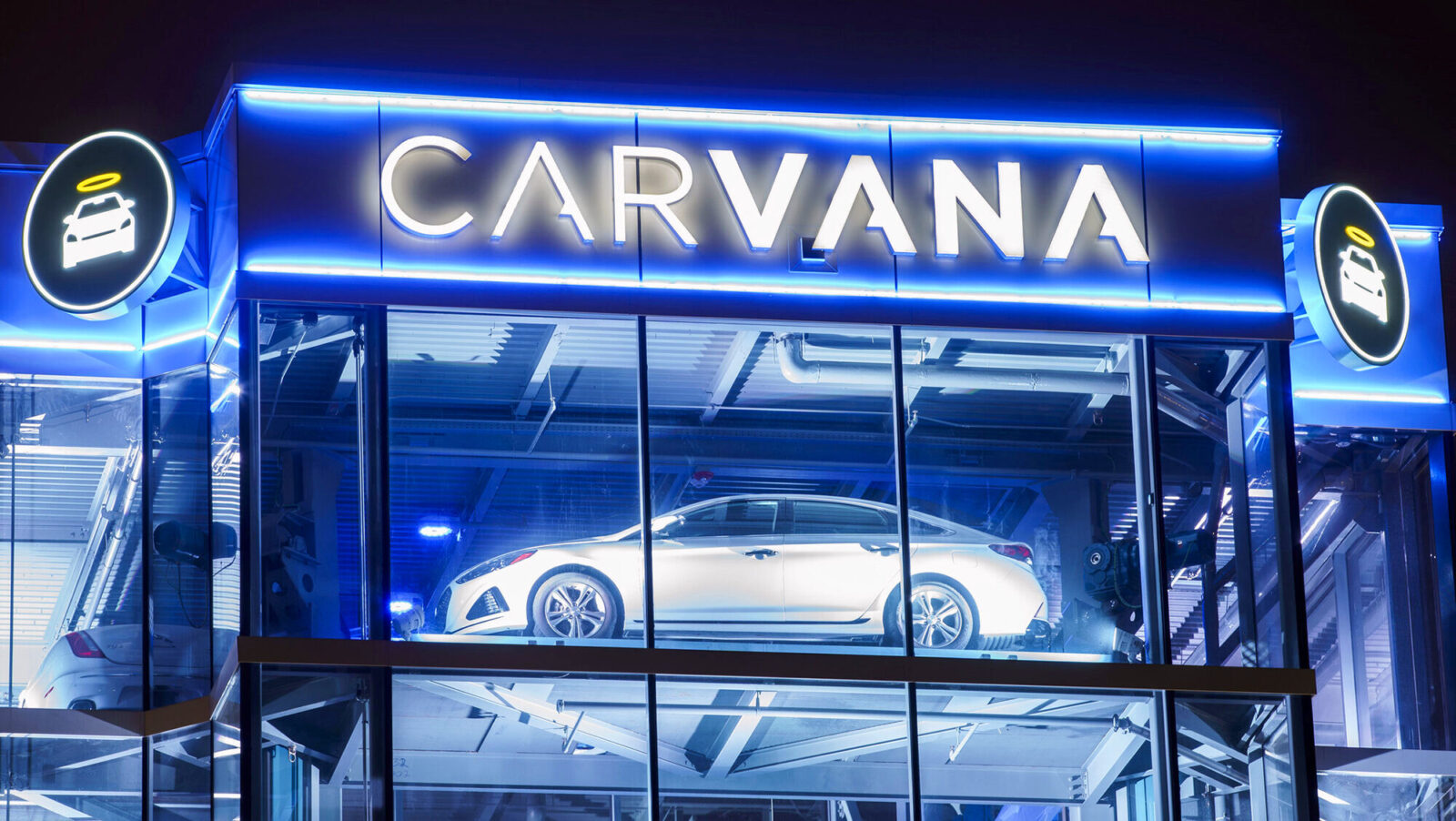
At Carvana, what’s old is old and what’s new is new.
The internet-age used car giant said this week it is cruising further into the sale of new vehicles, turning the Stellantis franchise dealership it owns in Dallas, Texas, into a test-drive center for shoppers on its e-commerce platform. It’s a possible preview of how the company aims to transform both itself and, possibly, the entire car-buying experience. Again.
Death of the Car Salesman
The news out of Dallas is actually just Carvana’s latest step in expanding its e-commerce operations beyond used vehicles. The company has quietly spent the past couple of years buying a handful of strategically placed Stellantis dealerships across the country, effectively using them as regional distribution hubs for online (and exclusively online) sales of new cars. The Dallas location, one of seven across the US, will now go a step further, allowing customers to test-drive vehicles and providing a comfy setting for online car shopping.
So far, the Stellantis dealership model and new car foray is showing signs of success, offering the company another potential growth engine:
- Carvana’s Stellantis dealership in Casa Grande, Arizona, is now the automaker’s top seller in the nation, according to internal Stellantis figures reported by The Wall Street Journal. The dealership, which sold as few as 30 cars per month before Carvana’s 2025 takeover, now sells as many as 350 per month.
- According to Cox Automotive data, Americans spent $655 billion on new cars in 2025, compared with $524 billion on used cars.
Brake Check: The pivot to new cars could help the company steer through the shifting economics of used car sales. Despite the publicity push, its shares fell more than 10% on Wednesday as it got caught up in rival CarMax’s share-price fender bender. CarMax reported first-quarter revenue on Wednesday that beat Wall Street’s expectations, but at the great expense of sinking profit margins; shares of CarMax fell 9%, dragging down peers.