

Good morning.
Alan Greenspan, the legendary economist who led the Federal Reserve for nearly two decades under four presidents, died Monday at age 100. His deregulatory, low-interest-rate agenda helped fuel the 1990s economic boom with “easy money” policies. But critics argue this also contributed to the dot-com bubble and the subprime mortgage crisis, the latter of which Greenspan admitted left him in “shocked disbelief.”
A jazz-loving clarinetist, Greenspan trained at Juilliard, was friends with the great saxophonist Stan Getz as a teen, and had a decades-long, influential friendship with Ayn Rand, the best-selling novelist and advocate of laissez-faire capitalism. While a member of a 14-man touring group in the 1940s, he was known to study finance during breaks when other musicians smoked cigarettes. New York University would later provide more traditional academic grounding. Still, Greenspan would often joke that economic pronouncements (like jazz) were open to interpretation, quipping before one 1988 speech: “If I turn out to be particularly clear, you’ve probably misunderstood what I said.”
Memory Crunch Prompts Bets on Micron Earnings Blowout
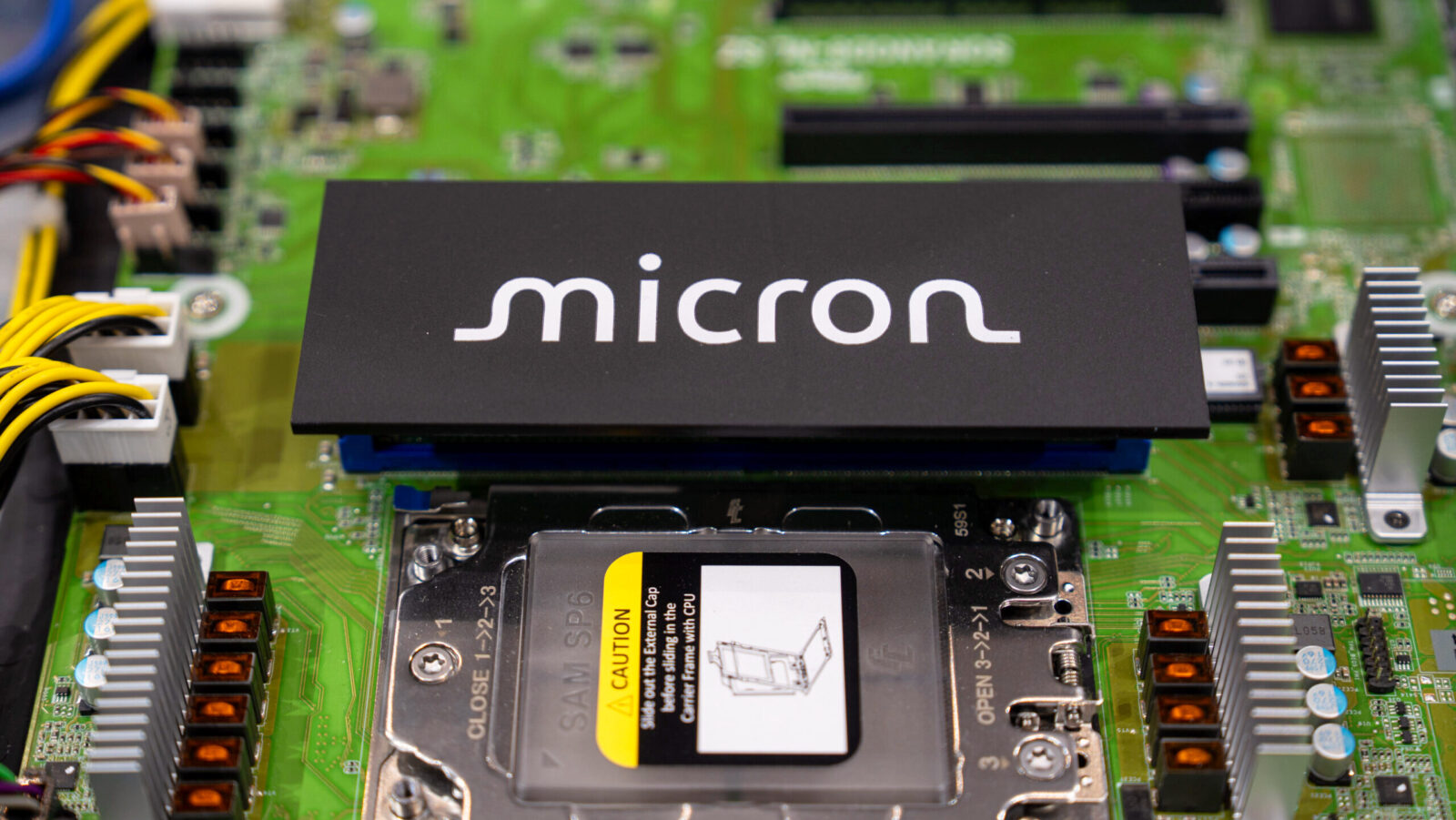
Shares in one of the artificial intelligence supply chain’s most important providers, Micron Technology, have surged 880% in the past 12 months. After rising 6.8% yesterday, the memory hardware manufacturer’s stock closed at a record $1,211 and its $1.3 trillion market capitalization made it the world’s 13th-most valuable publicly traded company.
A new supply deal with Anthropic, plus Micron’s “strategic investment” in the soon-to-list AI developer, marked the latest signals that memory chips may be an integral part of the most lucrative infrastructure play of the decade. But, all that said, expectations on Wall Street for the company’s quarterly earnings report tomorrow are now higher than the crowd at a Phish concert. Skeptics who point to the memory industry’s boom-and-bust history see bulls as riding a little too high.
Money on the Motherboard
Goldman Sachs estimates $7.6 trillion in AI capital spending from this year through 2031. As one of the few companies capable of making the high-end memory and storage hardware needed to run advanced AI models, Micron is an essential component of the tech’s supply chain.
With a memory crunch expected to last until at least next year, the Boise, Idaho-headquartered company and its South Korean rivals Samsung and SK Hynix have gained extraordinary pricing power. The three control 89% of the Dynamic Random-Access Memory (DRAM) market, where prices have quadrupled in the past year, according to ING. Micron’s previous quarterly earnings report tells the story: Sales rose nearly 200% year over year to $23.8 billion. Analysts expected even more explosive growth tomorrow, with a consensus forecast of roughly $35.5 billion in revenue, more than triple Micron’s $9.3 billion haul a year ago, according to FactSet. Whether that’s sustainable is still a matter of debate:
- Analysts at Needham raised their target price for Micron to $1,550 on Monday, while Bernstein SocGen Group analysts hiked theirs to $1,300, with both affirming a buy rating.
- But cautious observers have pointed to a decades-long boom-and-bust pattern in the memory industry, where brutal downcycles have wiped out ill-prepared suppliers. Micron has a relatively low forward price-to-earnings ratio of 10, compared with the Nasdaq-100 average of 24.4, reflecting this skepticism: Morningstar analysts recently called the stock “outrageously overpriced.”
‘A Fundamental Shift’: Bulls have argued that today’s memory shortage is different from past cycles because it’s driven by massive hyperscaler capex plans, rather than trends in consumer electronics like phone and computer model releases. “Memory is no longer a cyclical commodity,” IDC associate vice president Soo Kyoum Kim wrote on Monday. “It has become a strategic infrastructure input.” He added that data shows “a fundamental shift in demand architecture, away from consumer electronics, where seasonality and upgrade cycles govern behavior, and toward AI training and inference infrastructure, where demand doesn’t normalize between quarters. It compounds.”
3 Days Left: Own a Piece of a Top 50 Sports App

Right now, you can back an app that over a quarter-million people are using.
Sparrow’s generative AI movement coach watches your golf swing, pinpoints what’s holding you back and tells you how to fix it. It’s analyzed over a million swings, and earned a 4.6 App Store rating doing it.
But golf is just the tee shot. The same tech can read any human movement — a trillion-dollar market Sparrow is built to take.
Tour-winning golfers and Fortune 500 execs are already at the cap table, and revenue’s up 85% year on year. There’s also a 20% share bonus while the raise stays open — but it all closes June 26 at midnight PT.
‘Toy Story 5’ Box Office Haul Highlights Hollywood’s Hot Streak
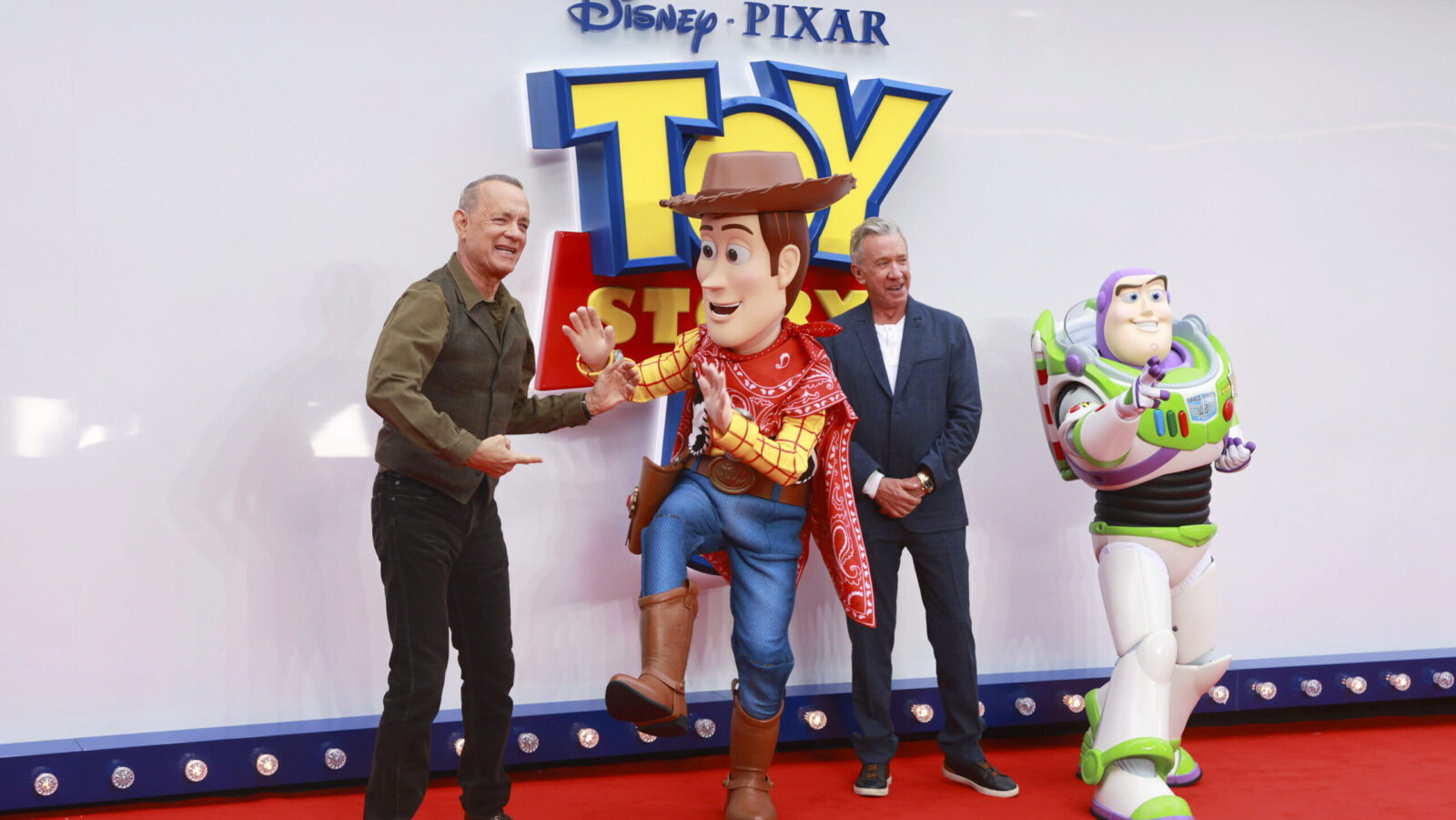
Life imitates art, and, as has been the plot for a few movies now, these toys aren’t ready for the trash heap just yet.
In its weekend debut, Disney Pixar’s Toy Story 5 netted $160 million in domestic ticket sales. That’s the best opening of the year and continues an industry-wide hot streak on par with pre-pandemic levels. But is Hollywood really on track to go to infinity and beyond?
Project Run The Ball
The domestic box office has pulled in nearly $4.5 billion so far this year, the highest for the period since 2019, according to Rentrak data. Industry executives expect the year’s total to exceed $10 billion for the first time since catching a bad case of long COVID; so far, it hasn’t hit $9 billion in annual sales this decade.
Success in 2026, however, looks much different than success in the 2010s, when mega-franchises ruled. This year’s hits have been a little smaller but much more frequent, with seemingly a debut each week catering to a different audience. Kids and families turned out for the aforementioned Toy Story 5 and The Super Mario Galaxy Movie; older audiences returned to theaters for Steven Spielberg’s Disclosure Day; nostalgic millennials showed up for The Devil Wears Prada 2; and Gen Z turned low-budget indie horror flicks Obsession and Backrooms into sleeper sensations.
Whether Hollywood will continue to win the numbers game remains an open question:
- On one hand, traditional streamers are now embracing the power of the box office; Amazon MGM Studios has committed to releasing more than a dozen movies a year, and scored a $680 million gross earlier this year with Project Hail Mary. Netflix is planning IMAX runs for its upcoming Brad Pitt-led The Adventures of Cliff Booth and a Narnia adaptation from Barbie director Greta Gerwig.
- Consolidation might take its toll, though. While David Ellison has promised 30 theatrical releases a year from a combined Paramount-Warner Bros. Discovery, the recent history of Disney’s 20th Century Fox acquisition shows output tends to slow post-mega-mergers.
Tech Story: Either way, Hollywood’s techy California co-residents are taking notice. Google made a $75 million investment Monday in A24, the studio behind Backrooms and HBO’s Euphoria, with plans to create new AI tools for movie production and distribution, according to The Wall Street Journal. Meanwhile, Amazon MGM has confirmed abandoning plans to distribute Artificial, a nearly finished movie dramatizing, in presumably not-so-nice a fashion, Sam Altman’s firing and rehiring at OpenAI; Amazon invested $50 billion in OpenAI earlier this year.
Take 15 Minutes to Refresh Your Retirement Plan

Whether retirement is approaching or still a few years away, a check-in this summer can help you simplify decisions, spot gaps and move forward with greater peace of mind. Investors with $1M+, get Fisher Investment’s guide to evaluate your next steps. Download now.