

Good morning.
The New York Knickerbockers are up in the NBA Finals and even more so on the stock market. Shares in Madison Square Garden Sports Co., the holding company that controls the Knicks and the NHL’s New York Rangers, have risen 16.8% in the last month, coinciding with the team’s barnstorming run.
Even with shares up 100% in the last year, MSG’s $9.2 billion market capitalization on the New York Stock Exchange still significantly trails the estimated $13.75 billion private market valuation of the teams ($9.75 billion for the Knicks, $4 billion for the Rangers, according to Forbes). That’s the upside. The downside:
After last night’s loss, the tortured franchise — arguably a bigger choking hazard than a child’s first Lego set — still has to win two more games to earn its first title since 1973.
The Multimillionaire’s Guide to Tax-Efficient Strategies

A $5 million+ portfolio comes with complex challenges — countless investment options, big tax bills and a meaningful legacy to pass along someday. Fisher Investments understands these complexities and is offering a free guide to help multimillionaires navigate them effectively.
Download the Tax-Efficient Wealth Management Guide for Affluent Investors, a guide designed to help you avoid leaving money on the table. With this guide, you’ll uncover actionable insights on minimizing taxes, optimizing estate and legacy planning, exploring strategic philanthropy, getting tailored investment guidance and navigating Social Security.
Apple Shows Off Gemini-Powered AI At WWDC
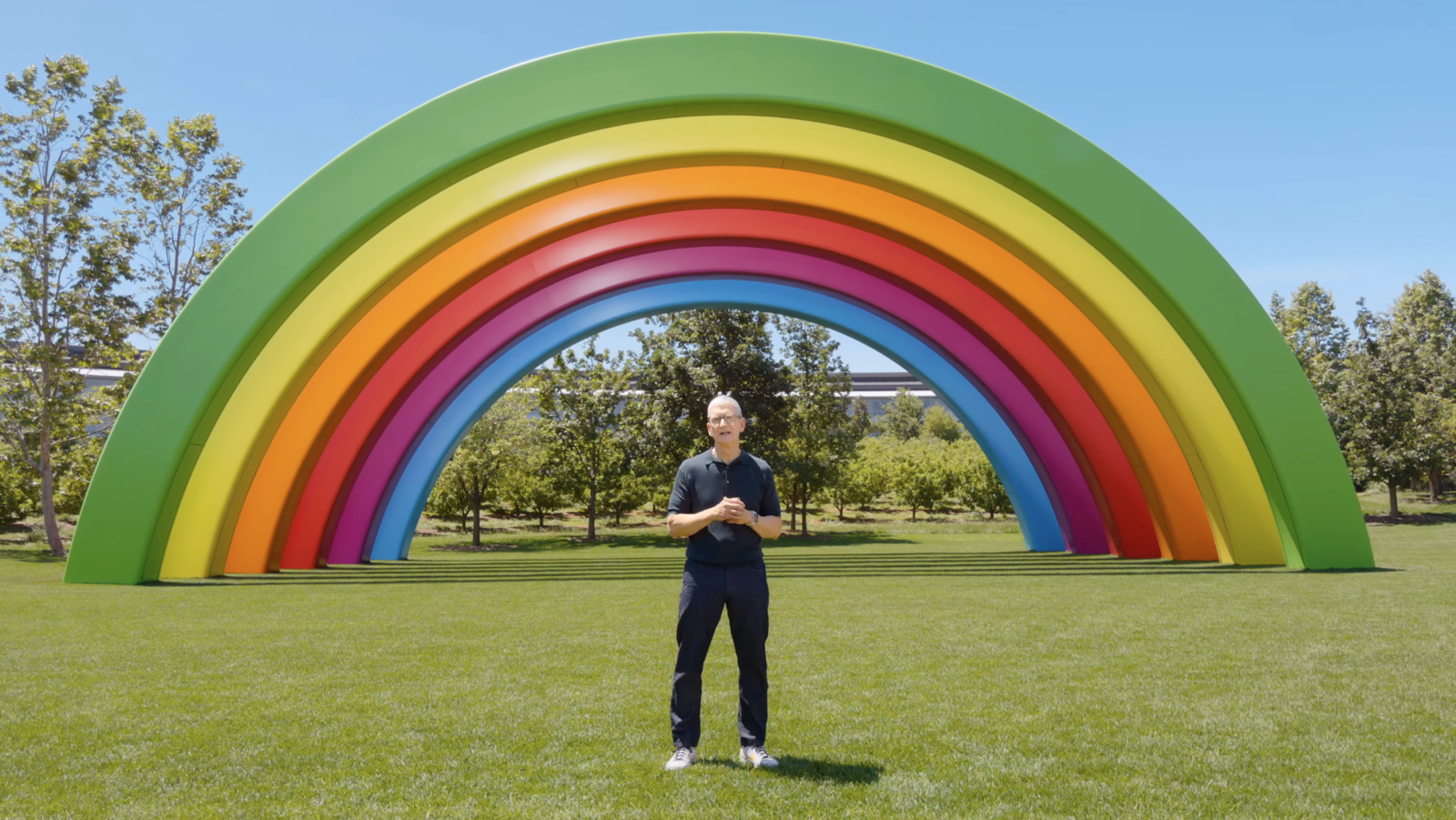
Tim Cook closed out his final Worldwide Developers Conference as Apple’s CEO by saying he truly believes the best is still ahead.
The keynote presentation of Apple’s annual developers conference felt like a farewell sendoff for Cook, who received a standing ovation from the crowd after being introduced by exec Craig Federighi and his famous hair (he’s nicknamed “Hair Force One”).
WWDC’s focus this year seems to be on fixing some recent flops before Cook passes the baton to hardware engineering SVP John Ternus, who’ll take over the helm in September. That’s just in time for Apple’s fall launch of fresh iPhones.
Prepping for Apple-Picking Season
WWDC is all about software and building hype for what the next generation of hardware will be capable of. While WWDC is aimed more at developers than shoppers, its announcements can lead to stronger sales of products that come out in the fall.
This year’s WWDC, whose tagline was “All Systems Glow,” fixed a few launches that didn’t go over so well. Presenters showed off an updated “Liquid Glass” aesthetic that’ll let iPhone users slide opacity for notification bars that critics said were too glassy to read. And of course, there was lots of AI:
- Siri AI is getting a makeover, leveraging Google Gemini under the hood to make this version of Apple’s chatbot better than its last iteration. Presenters demo’d Siri performing tasks like planning a park-hopping itinerary through NYC, analyzing financial documents, and renaming a pet hedgehog (exactly what everyone’s been needing AI to do). Another demo showed Siri AI setting a reminder to sign up for a Suki Waterhouse ticket lottery.
- Apple Intelligence will let users vibe-code on Shortcuts, taking AI a step further. For instance, they could add a shortcut for, per the presentation, “When I’m leaving work message Pedro I’m on my way with my ETA.”
Apple First: Apple’s counted on partners to supplement its AI abilities as it’s spent less on developing its own tech compared to peers. But it also prioritized its own ecosystem over partners’ interests. Apple’s earlier partnership with OpenAI fizzled, and Bloomberg reported that the AI startup is plotting a lawsuit against Apple after the partnership failed to drive adequate traffic to ChatGPT. Apple’s latest updates could make iPhone users close the ChatGPT tab or app on their phone and use Apple’s built-in AI instead. But Google shouldn’t grow too cozy. Apple’s first focus is still on keeping users within its own ecosystem, as showcased many times in demos yesterday that saw users move between Apple Photos, Apple Maps, and Apple Safari.
Anheuser-Busch InBev Set for Payday as Beer Flows from the World Cup
For reasons ranging from young people moving away from bars and pubs towards less alcohol-centric forms of socializing to people possibly being traumatized for life by the abomination that is a Bud Light Clamato Chelada, beer and alcohol consumption has been on a slow, steady decline. According to alcohol industry data provider IWSR, global beer sales volumes fell by 1% last year while selling for a slightly higher overall value.
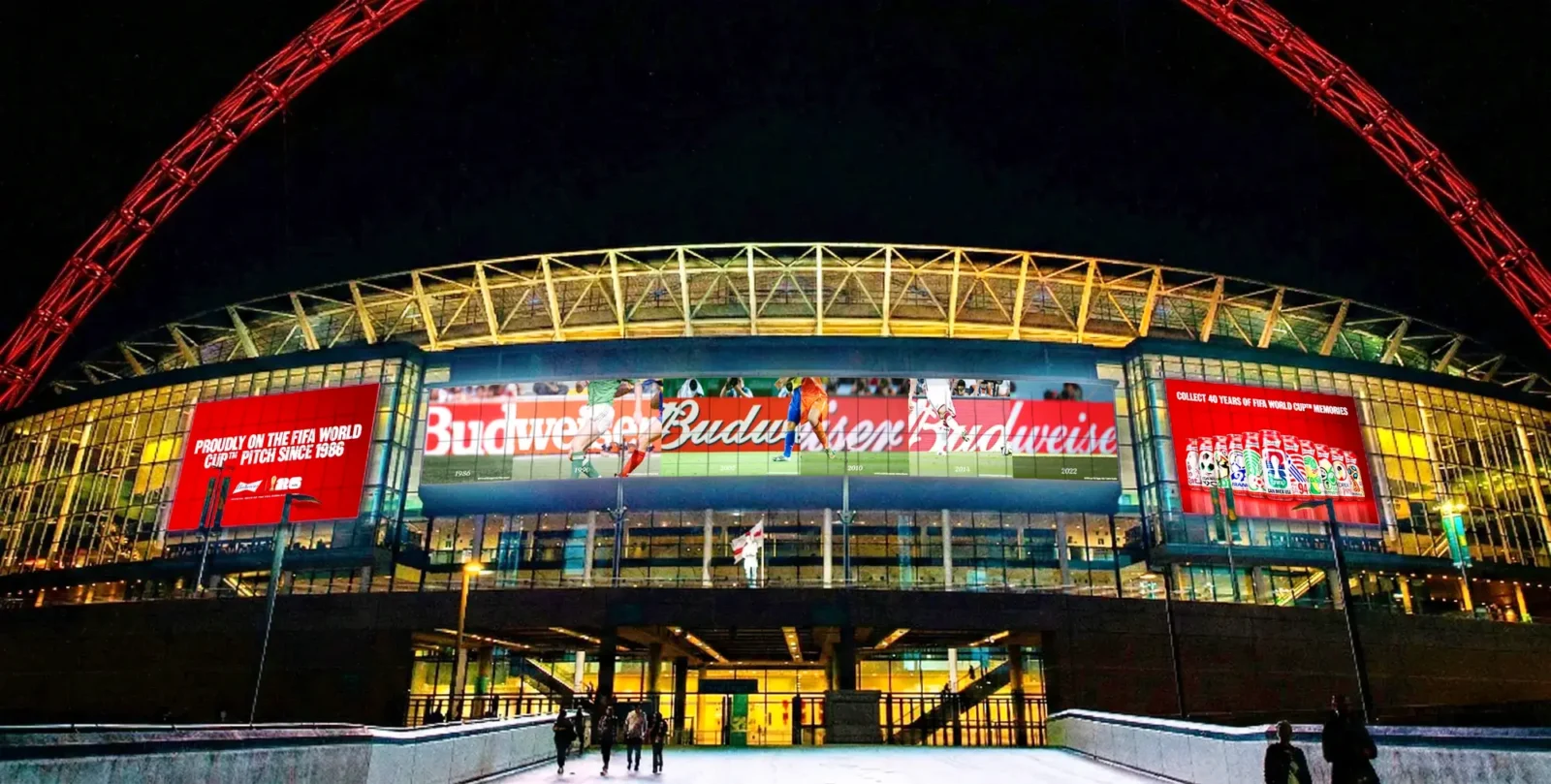
Belgian-American Anheuser-Busch InBev, the world’s largest brewer and producer of megabrands like Corona, Bud Light, and Stella Artois, bucked the trend when it reported earnings last month. As the official beer sponsor of the World Cup, analysts say it’s about to get another lift as fans spend the next five weeks variously celebrating their victories and drowning their sorrows in officially sanctioned Budweiser and Michelob Ultra.
An Unsung Hero Emerges
AB-InBev’s earnings last year looked like an exaggerated version of global trends. Total sales volume fell 2.3% year-over-year, with beer volumes down 2.6%, but management offset the decline by hiking prices. This, along with slashing costs, helped fuel a 14% jump in earnings to $8.5 billion even while revenue declined just 0.7% to $59.3 billion.
Last month, however, the company turned expectations on their head, like a red solo cup at the edge of a frat table party during a round of flip cup. The brewer posted a 0.8% organic volume increase in the first three months of 2026, defying Wall Street predictions of a 0.3% decline. Record beer volumes in key Latin American markets, namely Mexico, Columbia and Brazil, outweighed declines in North America. This is all before these and other soccer-happy markets get the chance to drink themselves into a Messi-inspired messy stupor, which analysts at investment bank Jefferies has put AB-InBev “in the sweet spot to benefit from FIFA upside”:
- This year’s tournament schedule was designed for boozing, with Jefferies observing that “match timing is the unsung hero of World Cup beer consumption.” They estimated that 84% of games line up within the beer-friendly times of 5 p.m. and 11 p.m. for the participating countries.
- AB InBev’s American depository receipts are already up 21.7% this year on the Nasdaq in 2026. Jefferies expects the World Cup will lift industry volumes by 0.3% for the year, adding: “After five successive years of volatility, beer should be better in 2026.”
On Home Turf: As co-host nations, the US, Canada and Mexico can expect their people to guzzle more than their fair share of the extra billion pints on order. Looking at previous World Cups, Jefferies said beer sales during the tournament period rose 2.6% for hosts Germany in 2006 and South Africa in 2010, 4.8% in Brazil in 2014, 5.3% in Russia in 2018, and 26% in Qatar in 2022.