

Good morning.
The co-tenants of the world’s most famous arena could be breaking up. Madison Square Garden Sports Corp. filed a Form 10 with the SEC on Monday to potentially split the National Basketball Association’s New York Knicks and the National Hockey League’s New York Rangers into two separate, publicly traded companies.
Analysts have long argued in favor of the move, which could unlock value in both franchises, seen as undervalued by the stock market relative to private markets. As of Monday, MSG Sports shares traded at a market capitalization of $8.5 billion, significantly less than the $9.75 billion at which Forbes valued the Knicks last year. The Rangers, at $4 billion, were ranked as the second-most valuable NHL team, behind only the Toronto Maple Leafs. Now, the heavily favored Knicks can remind investors of their storied history by blowing the Eastern Conference finals.
What Would Your Org Look Like with a Modernized ERP?

Month-end close in days, not weeks. Finance, HR and operations pulling from the same numbers at the same time. For companies that have modernized their ERP, this isn’t the pitch deck …
It’s Tuesday.
The businesses making faster decisions aren’t the ones still reconciling spreadsheets at midnight. They’ve moved off legacy on-premise systems. And the cost of staying put is higher than most finance leaders think.
Oracle NetSuite’s latest guide breaks down exactly what’s possible. It covers:
- What modernization is worth in real numbers: close times, headcount, margin.
- Where legacy systems quietly show up on the P&L.
- How Oracle Netsuite’s new AI features change the day-to-day for finance and ops teams.
Free to read. Expensive to ignore.
NextEra Energy Predicts Dominion Takeover Will Reduce Customers’ Power Bills
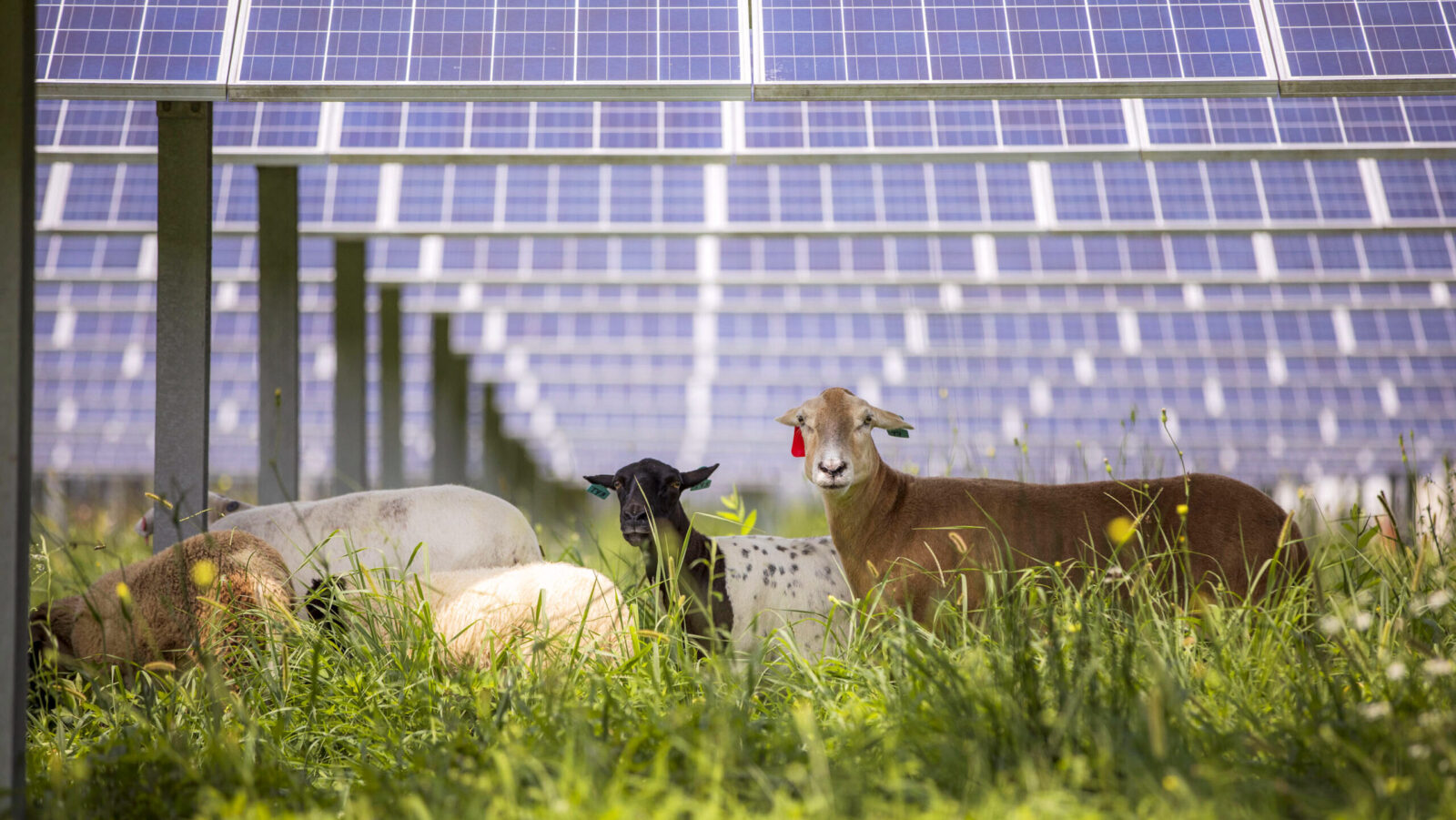
NextEra Energy is big already. Will getting even bigger be better? Its investors and customers alike will find out if the company pulls off the merger with Dominion Energy announced Monday.
In addition to landing the combined business the title of world’s largest regulated electric utility, the deal will make it the world’s leader in global renewable energy and battery storage, the US leader in natural gas generation, and put it in second place in US nuclear power generation. The merger, executives said, will unlock value for shareholders by capitalizing on the energy-hungry AI boom and simultaneously ease electricity bills for consumers.
Tell Me It’s AI Without Telling Me It’s AI
The smaller company in the deal, Dominion, powers the world’s data center capital in northern Virginia. That’s where more than 12% of global operational data center capacity resides, according to research firm Synergy. Dominion’s shares climbed 9.4% Monday following the merger announcement, bringing its market cap to roughly $59 billion. Florida-headquartered NextEra, which would acquire Dominion in the $67 billion deal, is the most valuable utility on the S&P 500. NextEra shares slid 4.6% Monday, lowering its market cap to $186 billion.
While the words artificial intelligence do not appear in the press release about the merger, it doesn’t take a chatbot to tell you AI is written all over this. Big Tech could spend more than $700 billion on the AI race this year alone, according to estimates. US utilities are gearing up to spend $1.4 trillion over the next five years to meet the resulting “AInsatiable” demand for electricity. The downside for consumers is that the demands of data center hyperscalers are increasingly outpacing supply, leading to higher electricity bills (and record utility profits). NextEra says the merger can benefit everyone:
- For Nextera shareholders, the company said it expects 9% or more in additional adjusted earnings per share growth through 2032. As it happens, the company is already working with one AI hyperscaler, Google, on accelerating nuclear deployment.
- For consumers, NextEra CEO John Ketchum said that “scale matters more than ever— not for the sake of size, but because scale translates into capital and operating efficiencies.” He argued the combined entity’s efficiencies will translate to more affordable electricity “in the long run.”
Charging You More: The US Energy Information Administration said last week that it expects electricity demand to rise 1.3% this year and 3.1% in 2027, and predicted residential electricity prices will surge 5% this year.
Invest the Way You Want with Betterment

Self-directed investing is now at Betterment. Trade thousands of stocks and ETFs with fractional shares and zero commissions. Plus, unlike other investing apps, Betterment gives you a Tax Impact Preview, showing the tax consequences before every trade. Invest how you want with Betterment by your side.*
SpaceX Rocket Test Sets Stage for Record IPO
On Monday, a California jury unanimously threw out Elon Musk’s high-profile lawsuit challenging OpenAI’s shift to a for-profit company. The issue: He filed his claims after the statute of limitations expired. Whoops.
Here’s betting the paperwork for the highly anticipated, soon-to-be-realized initial public offering of Musk’s SpaceX will be handled more smoothly. In fact, traders could be saying hello to the new publicly traded megacap stock in less than a month. That might prove thorny for Musk’s other company and its megacap competitors.
SPCX Marks the Spot
SpaceX confirmed it was headed for a 2026 IPO in December, confidentially filed its S-1 with the US Securities and Exchange Commission in April, and reportedly plans to disclose its prospectus as early as this week. That would clear the way for a roadshow planned to kick off June 8, and for shares to start trading by June 12, which The Wall Street Journal reported is the company’s preferred date for metaphorical lift-off.
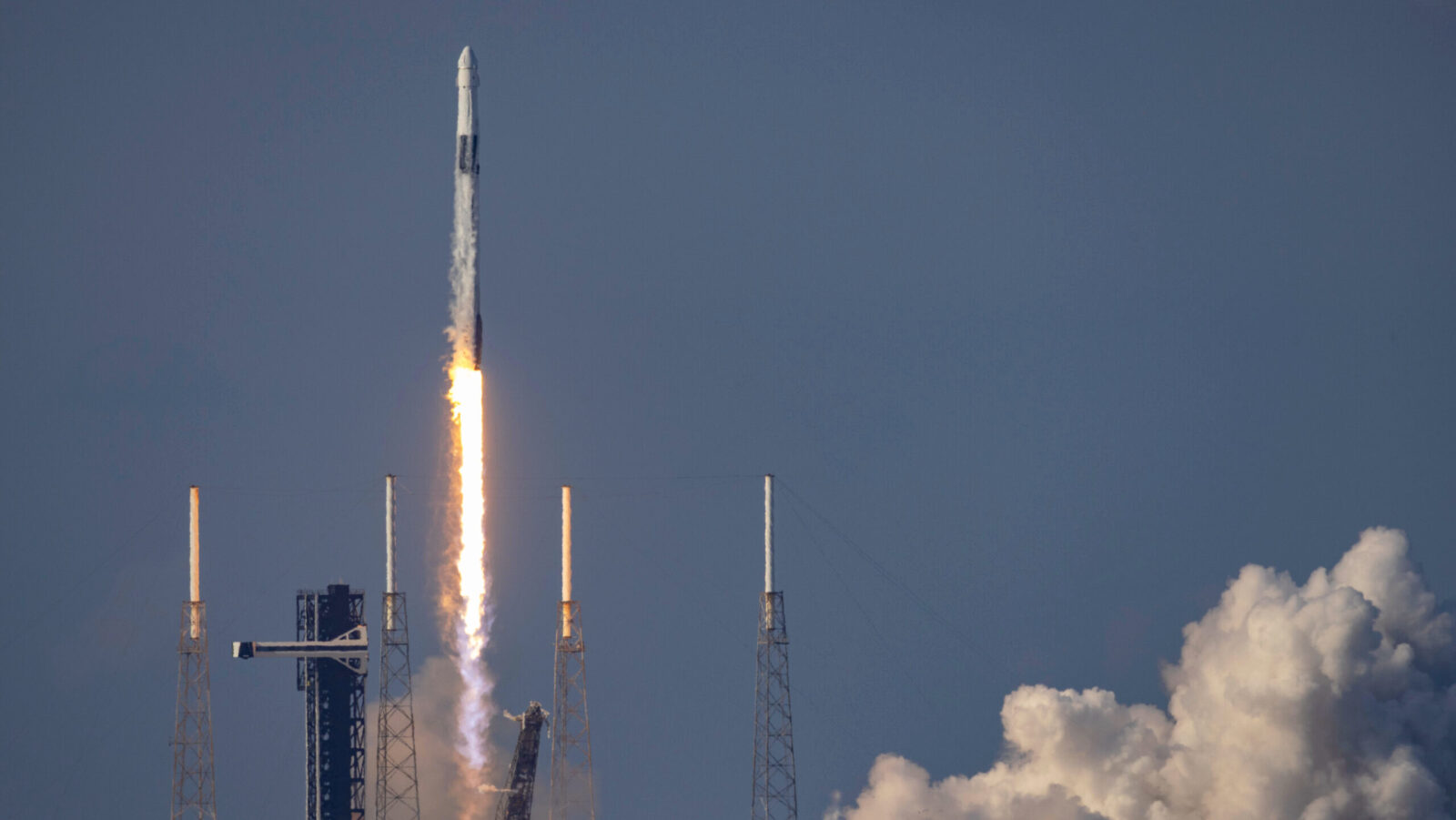
As for its literal lift-offs, Wednesday is a potentially auspicious day for the spacecraft company: SpaceX is scheduled to hold a crucial flight test of its latest Starship rocket prototype, which is being developed as part of NASA’s Artemis program. Not only is the outcome of the test a big deal, but also the activity expected when SpaceX begins trading could be big enough to cause gravitational shifts:
- SpaceX will reportedly seek to raise up to $75 billion, more than three times the US IPO record of $22 billion set by China’s Alibaba in 2014. Bloomberg reported SpaceX told its current investors that it will carry out a 5-for-1 stock split this week, reducing the market value per share from roughly $527 to $105.
- Noting that retail traders held 40% of Tesla’s pricey shares, BNP Paribas analysts warned in April that the “pro-Musk retail shareholder base” could soon be split, weighing on one or both stocks.
Hoping for a Repeat: Tesla debuted in 2010 with a market cap of roughly $1.7 billion and rose 40% on its first day. It is now worth roughly $1.5 trillion, making it the 10th-most valuable company in the world as of Monday.