

Good morning.
Prediction market Kalshi has been given a glimpse of its possible future. The Commodity Futures Trading Commission privately warned the company that it faces potentially imminent charges for failing to notify the regulator about dozens of new products, Politico reported Tuesday. A CFTC investigation has been underway for months, the outlet said, with a particular focus on the self-certification process that allows financial exchanges to take new products live without prior approval, so long as they pledge to the CFTC that they comply with regulations.
In a statement, Kalshi said it is “already addressing the issue,” which it described as “a procedural error involving the submission of a handful of contracts.” Politico reported that the two sides could ultimately reach a settlement, though all bets, or should we say events contracts, are off.
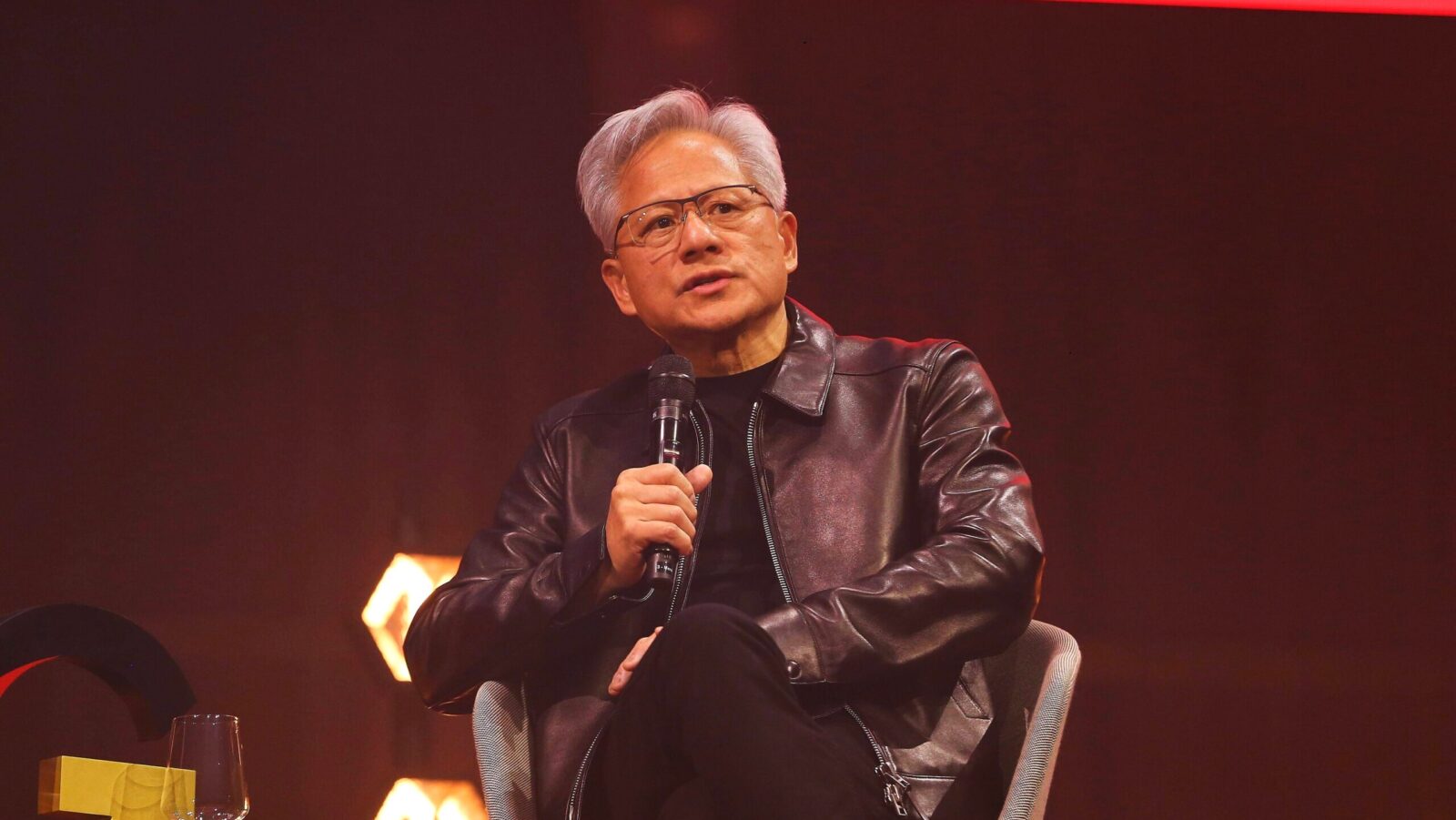
Jensen Huang’s Affair Renews Debate on Chips Export Controls
It’s been a big week in foreign affairs.
With news of Nvidia CEO Jensen Huang’s dalliance with a suspected Chinese spy, Washington seems determined to close loopholes and tighten export controls to China for America’s high-powered AI semiconductors. The beltway’s China hawks may just have an unexpected ally: Beijing, which seems equally determined to wean China’s AI industry off of America’s chips.
Tinker, Tailor, Smuggler, Spy
America’s foreign policymakers have arrived at a rough consensus across two presidential administrations now: Keep Chinese tech firms hooked on lower-tier chips, such as Nvidia’s H200, but keep top-tier chips strictly off limits. But playing chip traffic cop would be tough even if the world’s top chip seller weren’t entangled in a plot ripped out of a Robert Ludlum novel.
A recent Bloomberg review of Chinese regulator documents shows that top Chinese open-weight AI lab Moonshot gained access to a massive trove of top Nvidia chips this summer. AI research firm SemiAnalysis told the outlet that it estimates that hundreds of thousands of chips worth billions of dollars — a big enough stockpile to fill a few hyperscaler facilities — have slipped past export controllers into China. At least as common as outright smuggling is the practice of Chinese firms renting compute space from data centers across Southeast Asia that had legitimately sourced Nvidia’s best chips (as is alleged in Huang’s current scandal).
Beijing, which aims to develop an independent chip designing-and-fabbing ecosystem of its own, is now cracking down about as hard as DC is:
- About 600,000 Nvidia H200 chips are currently collecting dust in a Hong Kong warehouse awaiting clearance from Beijing, which has imposed strict import controls on the tech, according to a Reuters report last week. Sources also told Reuters that major Chinese tech companies have been able to secure approval for only around 10,000 chips each in recent months.
- The Financial Times, meanwhile, reported earlier this month that a $7 billion cloud computing deal between Oracle and Chinese AI giant Tencent was recently scuttled after both companies felt the heat from their respective regulators. Under the deal, Oracle was set to provide Tencent with access to 100,000 advanced AI chips by way of data centers across Southeast Asia.
MATCH Makers: In Washington, Congress is mulling three different export control measures to include in the annual defense authorization bill for fiscal year 2027 — the AI Overwatch Act, the Chips Security Act, and the MATCH Act — while policymakers at the Commerce Department are exploring ways to close the remote access loophole, according to a report on Monday from The Information. Nvidia, meanwhile, had been telling data center partners in recent months to sell no more than 49% of cloud computing services to Chinese clients, sources told the Financial Times in a story published this month before details of Huang’s affair were made public. Seems like the company may have been smelling some looming bad PR (and a little love) in the air.
A Portfolio Built by You, Managed by Betterment

Betterment’s Custom portfolios give you the control of picking your own investments, without the full-time job of managing them.
Choose from thousands of individual stocks and ETFs, then build from one of their portfolios as a foundation, or start from scratch. As you design, you can evaluate your holdings with real-time analysis and AI insights.
Then, Betterment automates the rebalancing, dividend reinvesting, and tax-saving tech for you. It’s the best of both worlds; your investment choices, paired with expertly-managed automation working alongside you.
Amazon’s Ring Unleashes Flying Drone and Rolling Robot Into Consumer Security Market
We’ve come a long way from the “Home Alone”-era 1990s, when Christmastime household security was handled by an 8-year-old deploying hot irons, paint cans, BB guns and tarantulas against intruding bandits.
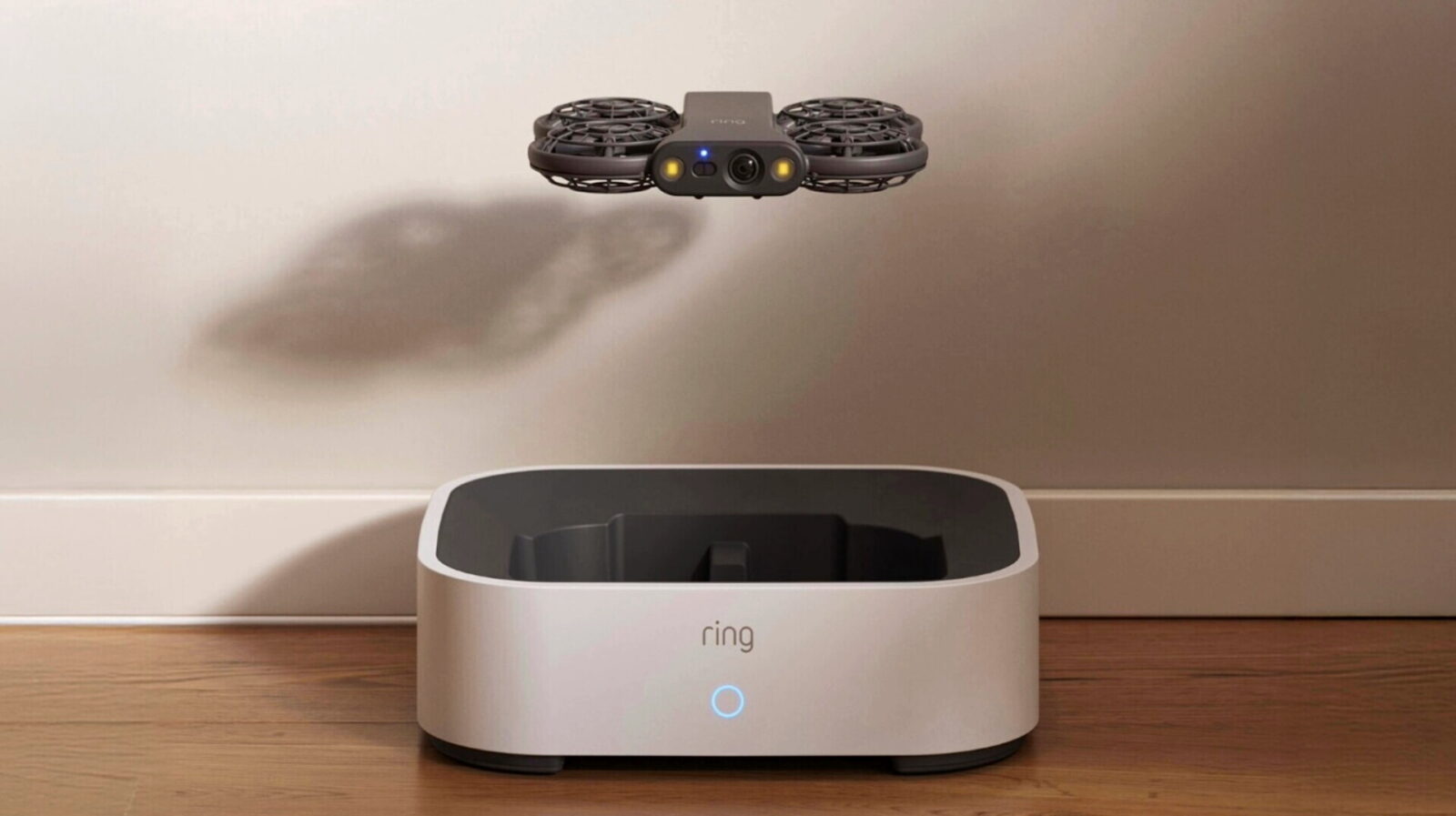
Amazon’s home security subsidiary Ring announced Tuesday that consumers will soon be able to buy surveillance drones and robots to patrol their homes and businesses. Finally, the perfect gift for your paranoid uncle.
The Bling Ring
Best known for its camera and motion sensor-equipped smart doorbells, Ring was acquired by Amazon for $1.1 billion in 2018. The deal allowed the online retail giant to rapidly expand a smart home footprint that already included speakers, lights and thermostats powered by virtual assistant Alexa, as well as the since-discontinued Amazon Cloud Cam.
It paid off. Last month, Ring founder Jamie Siminoff, whose video doorbell idea was rejected on Shark Tank in 2013, told “The Peel” podcast that the subsidiary does “multiple billions of dollars of sales” and is a “healthily profitable and growing business.” A survey published last month by SafeHome found that 61% of US households have at least one security camera and that 43% of respondents with video doorbells said Ring was their brand of choice. Take that, Sharks.
And, while the Ring Doorbell has become consumers’ go-to for front door security, Siminoff said in a statement Tuesday that the people want more: “For years, customers told us they wanted eyes in the places a fixed camera couldn’t reach, and peace of mind in the spots they’d never want one.” This prompted the development of the Ring Drone Cam, to be released in January with a $249.99 price tag, and the Ring Rover Cam, debuting before Christmas at $999.99. The flying drone can undertake eight-minute patrols of a house, either when installed sensors are triggered or at a user’s request, before returning to its charging dock. The Rover, a “purpose-built security robot” intended for workplaces and businesses, runs on two wheels, has a periscope camera and a built-in siren and is also responsive to sensors. Both, like Ring’s flagship doorbell, record and store video.
“It’s not just a new category of security; it’s the beginning of a future where proactive, autonomous protection is something every home and every business can have,” added Siminoff. It’s also, ideally more business:
- Analysts at Grand View Research valued the smart home market at an estimated $207 billion this year, and project it will grow to $887 billion by 2033.
- Ring’s core profit driver is not devices, but the Ring Protect Plan, the recurring subscription users pay to review, save and share video recordings.
Job Insecurity: Not feeling so secure are Amazon employees. Even as the company continues to earn record amounts of money, it has this year embarked on what critics call forever layoffs, or small but frequent cuts. At its devices and services unit where Ring is housed, roughly 250 jobs were cut last month, just weeks after 1,000 positions at Amazon’s retail division were axed.