Amazon’s Ring Unleashes Flying Drone and Rolling Robot Into Consumer Security Market
Best known for its camera and motion sensor-equipped smart doorbells, Ring was acquired by Amazon for $1.1 billion in 2018.
Sign up for smart news, insights, and analysis on the biggest financial stories of the day.

We’ve come a long way from the “Home Alone”-era 1990s, when Christmastime household security was handled by an 8-year-old deploying hot irons, paint cans, BB guns and tarantulas against intruding bandits.
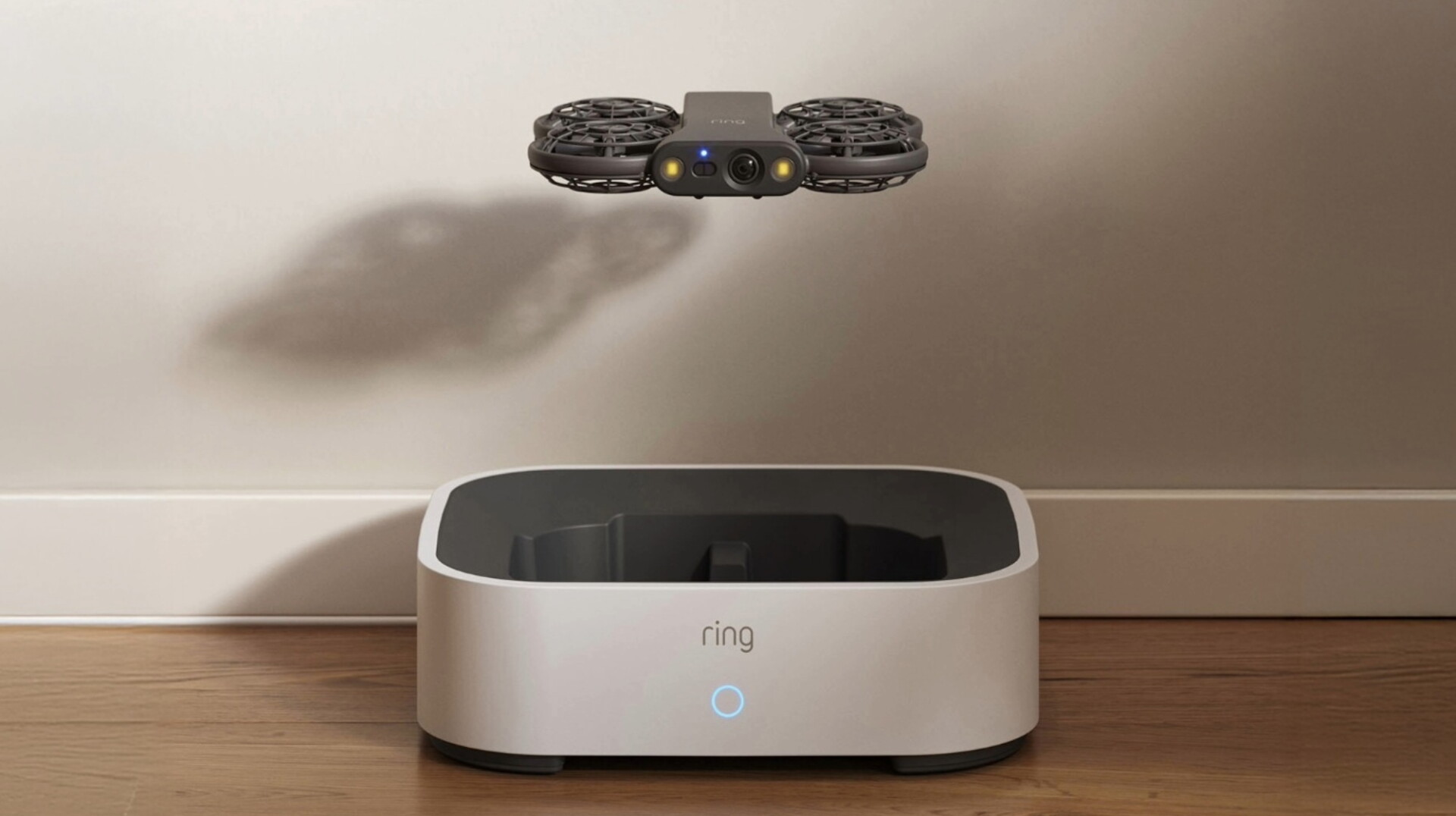
Amazon’s home security subsidiary Ring announced Tuesday that consumers will soon be able to buy surveillance drones and robots to patrol their homes and businesses. Finally, the perfect gift for your paranoid uncle.
The Bling Ring
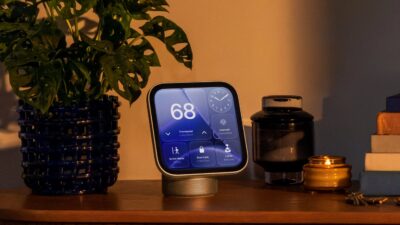
Best known for its camera and motion sensor-equipped smart doorbells, Ring was acquired by Amazon for $1.1 billion in 2018. The deal allowed the online retail giant to rapidly expand a smart home footprint that already included speakers, lights and thermostats powered by virtual assistant Alexa, as well as the since-discontinued Amazon Cloud Cam.
It paid off. Last month, Ring founder Jamie Siminoff, whose video doorbell idea was rejected on Shark Tank in 2013, told “The Peel” podcast that the subsidiary does “multiple billions of dollars of sales” and is a “healthily profitable and growing business.” A survey published last month by SafeHome found that 61% of US households have at least one security camera and that 43% of respondents with video doorbells said Ring was their brand of choice. Take that, Sharks.
And, while the Ring Doorbell has become consumers’ go-to for front door security, Siminoff said in a statement Tuesday that the people want more: “For years, customers told us they wanted eyes in the places a fixed camera couldn’t reach, and peace of mind in the spots they’d never want one.” This prompted the development of the Ring Drone Cam, to be released in January with a $249.99 price tag, and the Ring Rover Cam, debuting before Christmas at $999.99. The flying drone can undertake eight-minute patrols of a house, either when installed sensors are triggered or at a user’s request, before returning to its charging dock. The Rover, a “purpose-built security robot” intended for workplaces and businesses, runs on two wheels, has a periscope camera and a built-in siren and is also responsive to sensors. Both, like Ring’s flagship doorbell, record and store video.
“It’s not just a new category of security; it’s the beginning of a future where proactive, autonomous protection is something every home and every business can have,” added Siminoff. It’s also, ideally more business:
- Analysts at Grand View Research valued the smart home market at an estimated $207 billion this year, and project it will grow to $887 billion by 2033.
- Ring’s core profit driver is not devices, but the Ring Protect Plan, the recurring subscription users pay to review, save and share video recordings.
Job Insecurity: Not feeling so secure are Amazon employees. Even as the company continues to earn record amounts of money, it has this year embarked on what critics call forever layoffs, or small but frequent cuts. At its devices and services unit where Ring is housed, roughly 250 jobs were cut last month, just weeks after 1,000 positions at Amazon’s retail division were axed.