Apple Nibbles Away at Nvidia
The two tech giants have been warring back and forth in recent days between who is the world’s most valuable company.
Sign up for smart news, insights, and analysis on the biggest financial stories of the day.

The $5 trillion-dollar club seems to only have room for two companies: Apple and Nvidia. The two tech giants have been bopping back and forth between being the world’s most valuable company and the world’s second most valuable company — their market caps rising and falling by hundreds of billions of dollars like a drunk high-roller’s chip pile at The World Series of Poker.
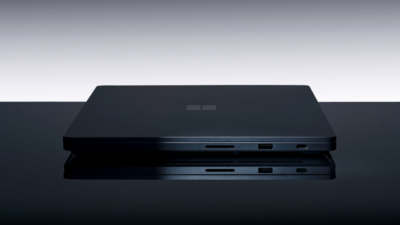
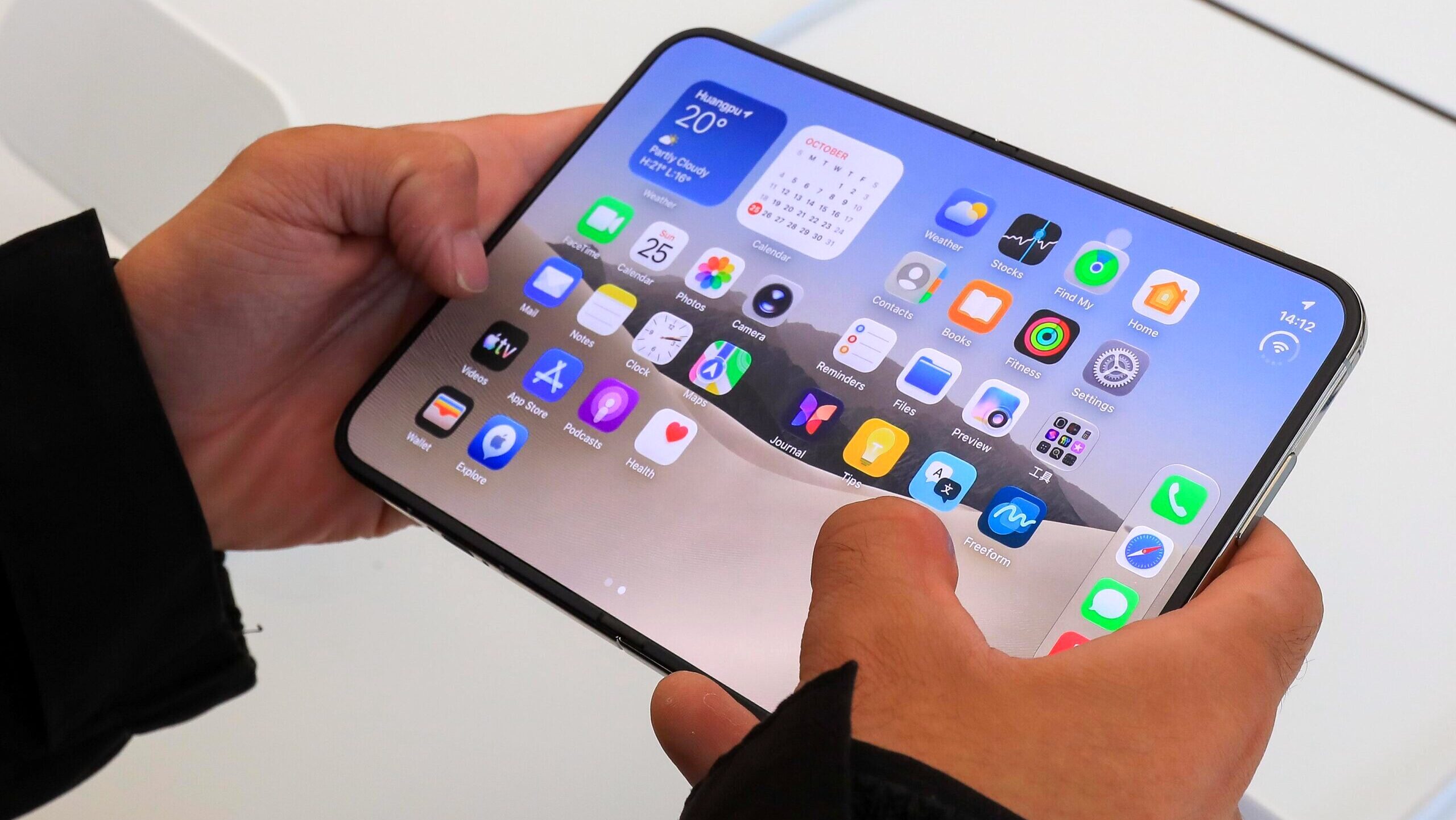
Most recently, Apple surpassed Nvidia on Friday after launching its foldable Duo phone. Now, Apple’s rolling out product after product targeting the end-buyer for AI, on Tuesday unveiling its new powered up iMac and MacBook Pro, both built to process AI workloads faster than their comparable predecessors (but the top-of-the-line MacBook Pros from the last gen outperform this gen’s base models).
Nvidia’s chips were integral to building AI long before anyone turned to ChatGPT for therapy. Both companies are turning AI into hardware but Apple’s focus is much further down the funnel: customers willing to wait for days outside of its stores for AI-forward devices.
Finally Getting Siri-us
Nvidia sprinted to $5 trillion, reaching the pinnacle for the first time (well, any company’s first time) last fall following a meteoric two-year stock surge of more than five times.
Apple meanwhile was largely written off in the AI race. Its early attempts to AI-ify Siri were ugly and embarrassing — the words of Apple’s top Siri exec, not ours. Apple settled a $250 million class action lawsuit last spring after it delayed the delivery of AI features that execs initially said would be part of fall 2024 iPhones. Optics were rough and the r/applesucks Reddit forum was fuming (as it often does). Siri finally got her makeover this summer.
After its initial flop, Apple took a more measured approach to AI:
- Apple’s AI capital expenditures are dwarfed by those of its rivals, as it largely gives up on creating the most powerful AI models. Apple leveraged Google’s Gemini to build its revamped version of Siri, and its AI features seem to be marketed more for their privacy than performance.
- The popularity of the Mac mini to run AI agents 24/7 showed Apple demand for hardware that can handle AI workloads locally, giving users more privacy and saving AI power users tokens they’d otherwise spend on cloud computing. Apple leaned into that demand for hardware, counting on its tech to keep buyers lining up at stores even if its own AI features are less powerful.
Golden Apple: Apple doesn’t need to win the AI race, at least when it comes to features, to keep its top market-cap spot alongside AI leader Nvidia. As long as people keep buying its hardware, its rivals’ offerings can live as options in its App Store. And people may use AI without realizing it through Apple’s built-in features. A slightly smarter Siri can still set a 20-minute timer for cinnamon rolls.