
Good morning.
The CEO of Saudi Aramco cautioned investors at a conference in London on Monday that it could take as long as two years for global oil inventories to recover from the US-Iran war. Amin Nasser estimated the conflict has erased nearly 3 billion barrels of oil supply and led to another billion being drawn from stocks, leaving global inventories “scarily thin.” International benchmark Brent crude is currently at around $100 per barrel, a nearly 40% increase from $72.50 before the war.
It’s good news for oil executives, whose companies have reaped windfall profits in recent months thanks to the higher margins on the crude oil and refined fuels they sell. For everyone else, there’s a Klarna plan for full gas tanks.
Skydance Faces One Box Office Bust After Another
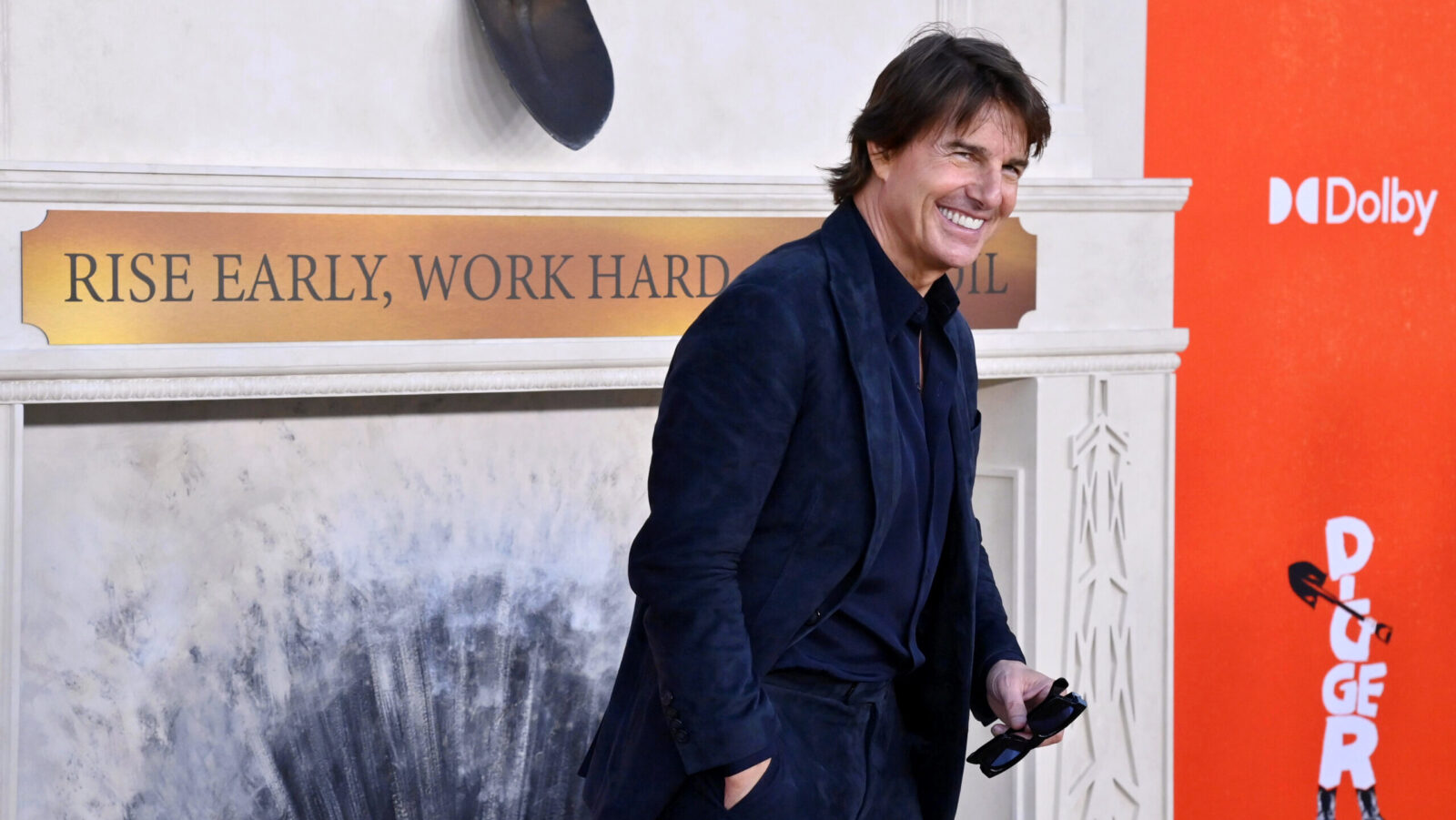
On the eve of its merger deal with Paramount Skydance finally closing, Warner Bros. Discovery went out with a bang in the form of a nuclear-grade box office bomb. Over the weekend, the Tom Cruise-led “Digger” earned an abysmal $8 million across 3,300 screens with a budget that reportedly ran close to $180 million. They’ll be seeing red for a while on that one.
As David Ellison’s new media empire, which will henceforth be simply known as Skydance, begins a debt-strapped new era, the “Digger” disaster is a reminder that the modern box office remains boom or bust. That leaves the company largely reliant on whether its streaming unit can grow faster than its still-lucrative linear TV business can sink. What could go right?
Showtime, Baby
Box office booms are still possible, and the theatrical industry is actually enjoying its best year since the pre-pandemic Before Times. But neither WBD nor Paramount has been invited to the party. “Digger” is just the latest in what looks like a WBD carpet bombing campaign this year, following fellow high-profile flops like “Supergirl” and “The Bride.” That makes it no surprise that WBD’s studio heads Pamela Abdy and Michael De Luca, who led the company to a record-breaking and award-winning 2025, have already been informed they won’t have a home in the newly combined Skydance. Paramount’s not faring much better, if at all. The studio earned just the seventh-largest box office haul this summer, behind WBD (6th place), indie studio A24 (5th) and Lionsgate (4th).
In other words: Salvation will not be found at the cinemas. In its streaming and linear realms, on the other hand, Skydance may be set up for success:
- Ellison has suggested that Paramount+ and HBO Max will be combined in the fullness of time. That has the potential for a streaming “powerhouse,” Morgan Stanley wrote in a note to clients last month. Skydance could have 230 million subscribers by 2030, MS analysts said.
- That would make it neck and neck with Disney and Amazon as strong runners-up behind Netflix, MS said, adding that the company will have a strong mix of scale and IP.
Lift Off: “At the end of the day, [Skydance’s success] is going to be about where we get these synergies. It is going to be about pushing streaming growth, getting better streaming economics and trying to maintain the EBITDA you have from the linear network,” John Conca, sector analyst at Third Bridge Group, told The Daily Upside.
Let a Wall Street Quant Do Your Stock Research

Picking stocks well takes time, and no one has hours to comb thousands of tickers. Every month, Steven Cress’s quant system ranks thousands of stocks. Only two make the cut. Since launching in the 2022 bear market, the former Morgan Stanley desk head’s picks have returned +361.81%, against the S&P’s +103.87%. Now you can see them too. Unlock this month’s picks.*
BofA Upgrades DraftKings as Sport Books and Prediction Markets Play Nice
DraftKings caught an updraft yesterday when its shares soared more than 8%. Bank of America analysts upgraded the sports-betting stock from “neutral” to “buy,” predicting DraftKings has upside ahead after falling more than 40% this year.
The analysts expect DraftKings could rake in $400 million in fees next year and an additional $200 million to $400 million from market making. The upgrade comes amid concerns about prediction markets crowding out traditional sports books.
Playing Both Sides
Trading volume on prediction markets has surged in recent years, and the top two platforms, Kalshi and Polymarket, have seen most users’ money flowing into sports-related wagers. The proliferation of prediction markets posed an existential threat to traditional sports books including DraftKings and FanDuel, which faced more restrictions on where they could operate compared to federally regulated prediction markets.
To hedge their bets, DraftKings and FanDuel both launched prediction markets of their own, sparking concerns the new business could cannibalize their existing sports books. That hasn’t been the case, and at the same time, the massive popularity of placing sports wagers seems to have made room for both markets:
- While prediction markets have notched massive inflows, so have sports books. The US sports betting industry hit a revenue record last year as Americans placed nearly $167 billion worth of bets, according to the American Gaming Association. This last Sunday, DraftKings saw its event contracts biz hit record trading volume of $218 million, up more than 50% from the NFL’s first Sunday this season.
- The business of sports wagers could keep growing as Gen Z comes into its full financial strength. Two-thirds of Gen Z investors surveyed by Betterment said they place sports bets. Similarly, the Bank of America Institute attributed nearly half of all online betting in July to Gen Z, surpassing millennials’ share for the first time.
Plenty of Turf: Bank of America analysts also expect legal challenges surrounding prediction markets could benefit DraftKings — though DraftKings offers prediction markets, its main biz is still traditional sports books. In the meantime, the opportunity that is prediction markets outweighs the risk of cannibalizing its sports books, according to the analysts. And for now, the massive demand to make trades while watching Monday Night Football could mean there’s room for old and new players on the field. New prediction market platform Novig recently saw its trading volume jump 94% following its controversial ad campaign featuring Sydney Sweeney.