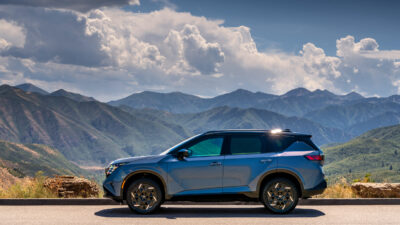
GM Says Hybrid Vehicles on the Way as Asian Carmakers Capture Spiking Demand
In August, 19% of all US vehicle sales were hybrids, compared to 16% before the war, according to JD Power.
Sign up for smart news, insights, and analysis on the biggest financial stories of the day.

Forget celebrity-fronted TV spots, viral social media blitzes and flashy highway billboards. The best marketing campaigns for hybrid vehicles in the US are gas station signs that read $4.36 per gallon.
Last week, Japanese and Korean automakers revealed record third-quarter hybrid sales in the US, driven by American consumers who asked their local car dealerships for the most mileage-friendly option. Their US rivals, months after a hard pivot away from electrified vehicles, suddenly looked flat-footed. On Monday, General Motors Vice President Mike Anderson told CNBC that the Detroit auto giant is working to change that “as quickly as we can.”
A Hybrid Sparkplug
Last fall, US federal tax credits worth up to $7,500 for new EVs and $4,000 for used ones expired, denting EV sales prospects like the T-ball grade-schoolers next door dent the panels on a new car. With tax credits gone, EV sales plummeted 23% year over year in the second quarter, according to Cox Automotive. Cox projects the pace of the decline will rise to 45% in the third quarter, though a last-minute rush on EV buying before the Sept. 30, 2025, tax credit deadline likely caused considerable distortion.
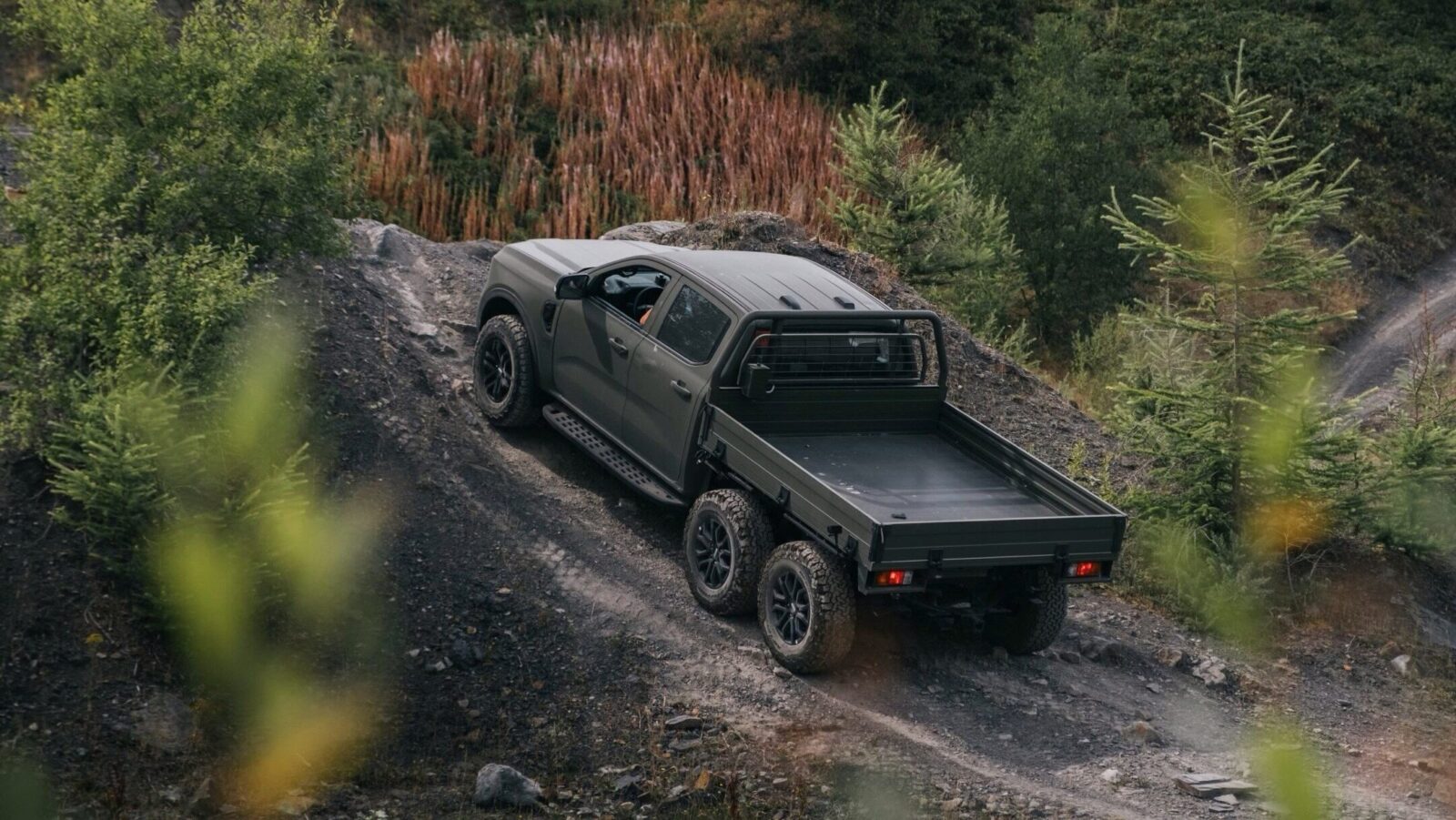
As EV prospects dimmed, the Big Three Detroit automakers, General Motors, Ford and Stellantis, pivoted. They incurred more than $50 billion in combined write-downs and restructuring charges to cut back on ambitious EV plans launched before the EV tax credits went the way of the DeLorean. Production shifted to the classic pickups and SUVs with high profit margins that have been top sellers for years.
Cue the US-Iran war in February. Consumer incentives in the car market were turned around again. Confronted with staggering gas bills, US car buyers honed in on hybrids, which conserve fuel by running on both gas engines and electric motors. In August, 19% of all US vehicle sales were hybrids, compared to 16% before the war, according to JD Power. But the companies capturing the lion’s share of that growth are not in Detroit, they’re across the Pacific. Japanese and Korean automakers with a historically large US presence maintained a more robust EV and hybrid offering than their American rivals, making them the chief beneficiaries of the hybrid surge:
- South Korea’s Hyundai reported last week that its US hybrid sales grew 35% in the third quarter, powering the lion’s share of growth for its quarterly record 246,896 vehicles sold, up 3% year over year. Hybrid sales at Kia, which Cox identified as the fastest-growing hybrid seller and which Hyundai owns 35% of, rose an even more dramatic 152% in the third quarter.
- Toyota said its US electrified vehicle sales, which includes hybrids, rose 28.5% year over year in the third quarter, while Cox estimated the Japanese automaker holds a commanding 44% of the US hybrid market. Honda’s US hybrid sales rose 21% to a record 106,000 in the third quarter.
Still Unclear: Sales at GM, which offers only one hybrid model, fell 6% in the first nine months of the year. GM’s Anderson didn’t offer CNBC a timeline as to when the company will roll out hybrids — it has previously targeted 2027 — but acknowledged the recent spike in demand and said the company is “not tone deaf to our customers.” In August, Detroit rival Ford previewed mockups of a $25,000 small hybrid crossover to car dealers, which it expects to launch in 2029.
Recent News
-

Photo illustration by Connor Lin / The Daily Upside, Photo by Chanakon Laorob via iStock -
Photo illustration by Connor Lin / The Daily Upside