Uber, Waymo and Tesla Speed Toward Driverless Future
Goldman Sachs estimates that the total number of robotaxis on the road will increase from around 7,000 last year to 1 million by 2030
Sign up for smart news, insights, and analysis on the biggest financial stories of the day.

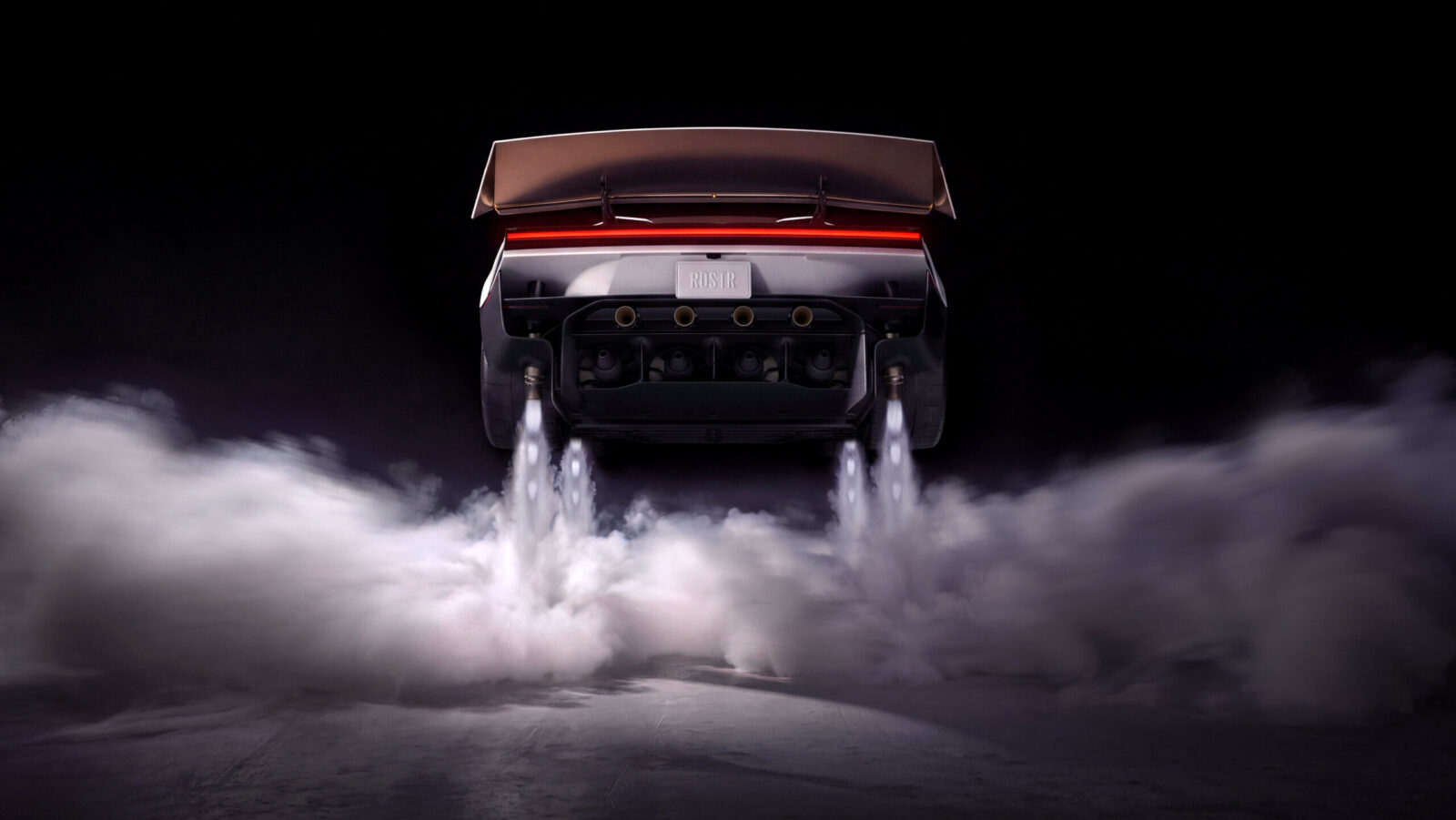
The Cybercab in the mirror has never been quite as close as Elon Musk invariably made it out to be.
But now, at long last, Tesla’s fully autonomous robotaxi is upon us. The company is hosting a launch event in Austin, Texas, today, after quietly building up a fleet of about 50 operational Cybercabs in the city’s streets. In a note to clients on Wednesday, Morgan Stanley analyst Andrew Percoco wrote that Wall Street will likely need to see “more than a handful” of new Cybercabs on the road to be stirred. In the meantime, the Cybercab’s chief rivals, Uber and Waymo, are both making moves to remain one step ahead of the category’s latest entrant.
Cash Cab
According to a Reuters report, Waymo is in the final stages of raising debt for the first time in its history, seeking more than $3 billion from big-name lenders such as Blackstone and Pimco. The move comes as Waymo expands into San Diego, Denver and Tampa Bay this month, and rolls out service for its new “Ojai” minivan model; Waymo now services 14 US cities.
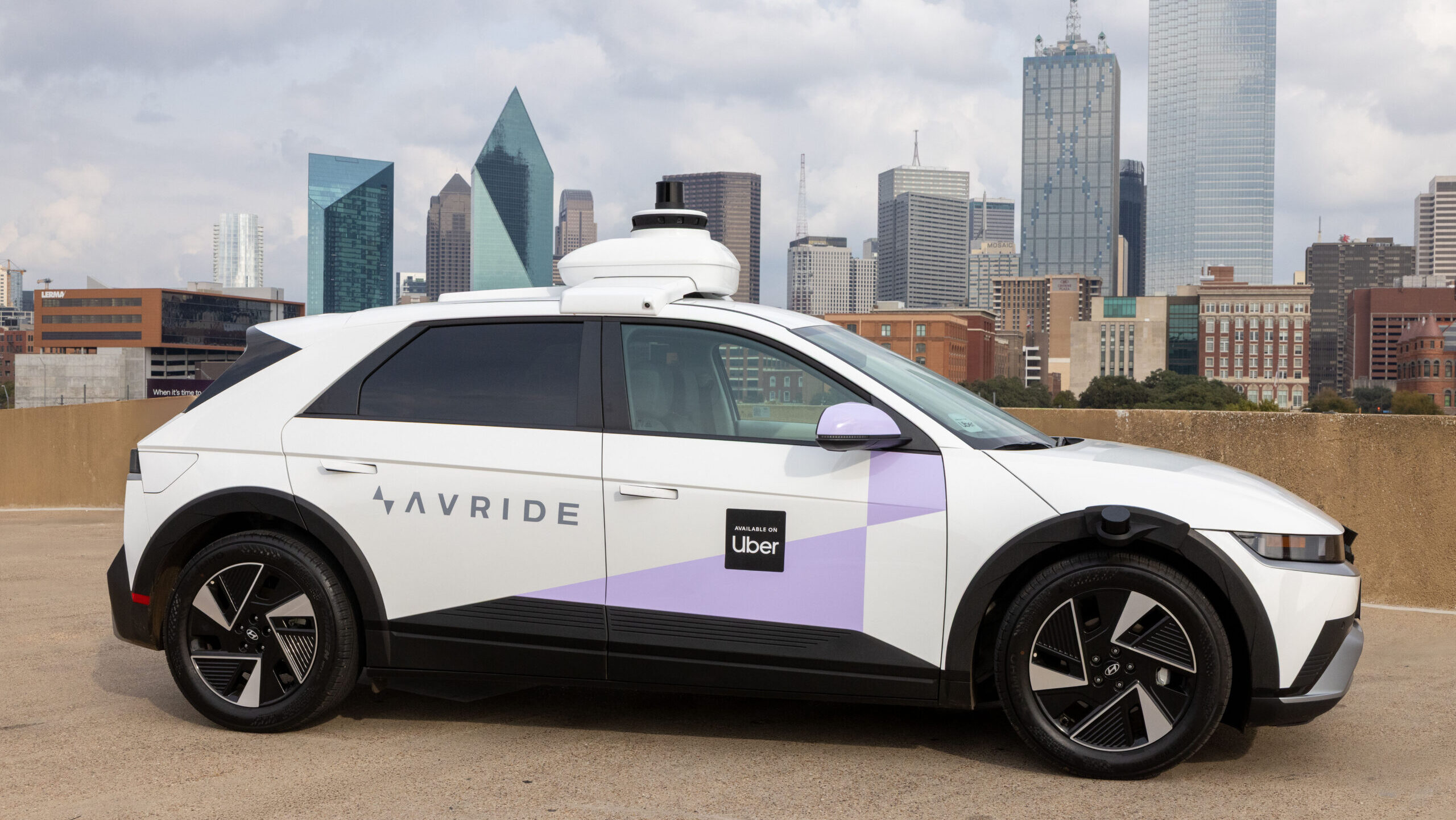
Uber, meanwhile, is cutting about 10% of its global headcount, or 3,300 employees. The restructuring will allow it to “innovate across our core businesses and build the autonomous future,” CEO Dara Khosrowshahi wrote in a memo obtained by Bloomberg. The company has vowed to commit more than $10 billion to various robotaxi partnerships in the coming years, including an agreement to buy 35,000 autonomous vehicles from Lucid. The end goal? According to COO Andrew McDonald in a recent podcast appearance, a near-future world in which robotaxis help send car ownership into extinction.
But to win the robotaxi game, players ultimately need to get wheels on the road, as cheaply as possible:
- Percoco previously surmised that the robotaxi company offering the lowest costs would win the most market share, assuming all else is equal. For Tesla, Percoco has written that means its robotaxi and full-self-driving units could be worth $1 trillion … or roughly equivalent to its entire market cap today.
- Tesla already has a few hundred self-driving Model Y robotaxis on roads today, but the Cybercab, which features just two seats and no steering wheel, is expected to be cheaper to produce and deploy. Waymo currently has about 4,000 cars on the road, with plans to add thousands more by the end of the year.
Drive to Survive: Goldman Sachs Research estimated earlier this year that the total number of robotaxis on the road will increase from about 7,000 last year to 1 million by 2030 and 6 million by 2035. It all adds up to potentially $440 billion worth of economic disruption in the coming years, Goldman says, when factoring in both lost car sales as well as lost wages and lower booking fees for human rideshare drivers.