Bond Market Drives Long-Term Treasury Yields to 19-Year High, Shrugging Off Hesitant Fed
Bond investors are demanding higher yields, essentially raising the cost of borrowing no matter what the Fed decides to do in September.
Sign up for smart news, insights, and analysis on the biggest financial stories of the day.

Watch out, Fed. The bond market is coming for your job.
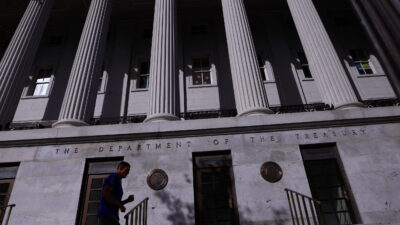
The US central bank may set short-term policy rates, but it’s the free market that controls where long-term Treasury yields head. Bond investors are demanding higher yields, essentially raising the cost of borrowing money no matter what the Federal Open Market Committee decides to do at its September meeting (as of Tuesday afternoon, odds are 65% that it will again hold rates steady).
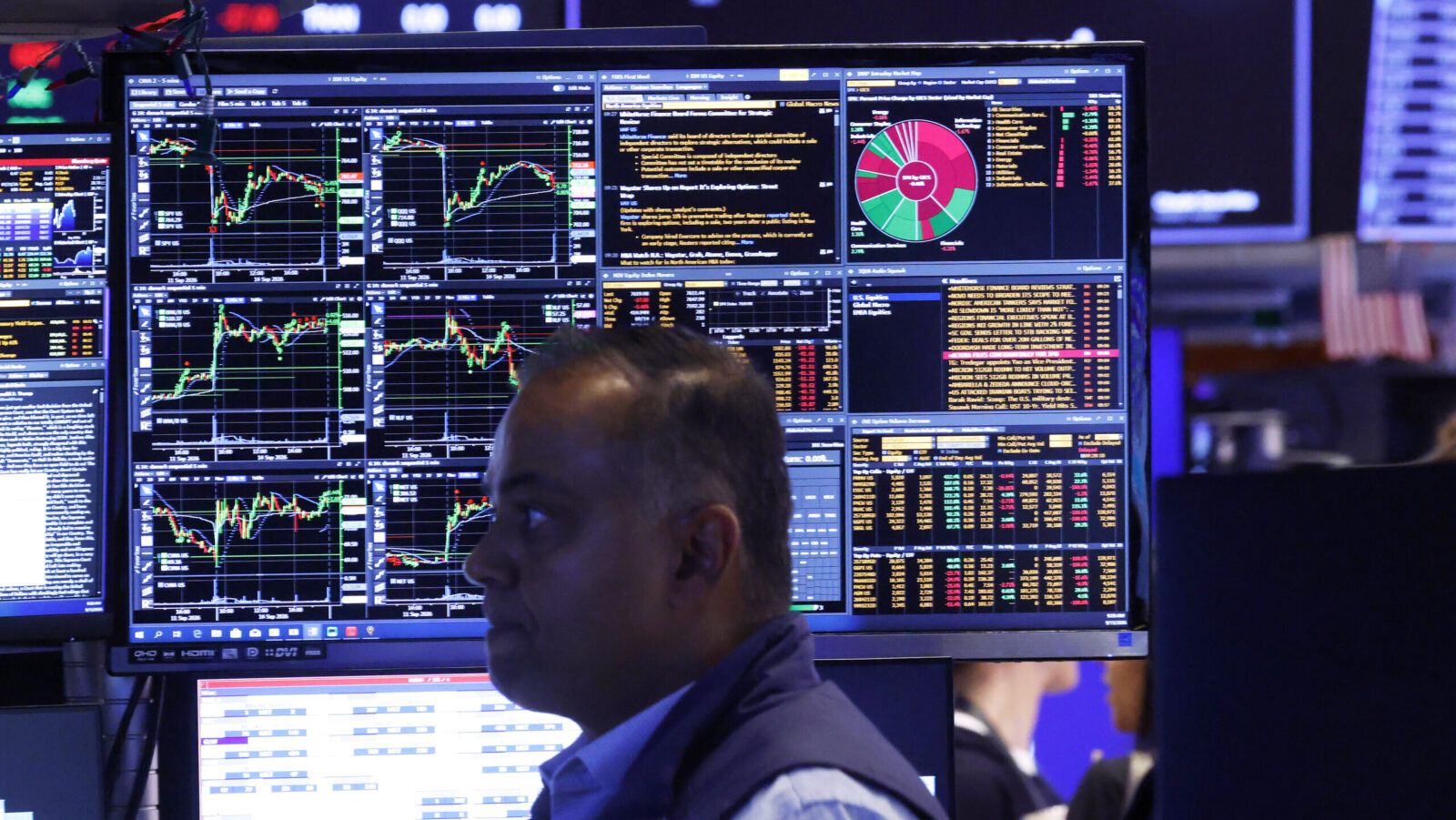
The 30-year Treasury yield skyrocketed to its highest level in 19 years this week. The bond sell-off has also spread overseas: Japan’s 10-year bond yield hit a 30-year high while France and Germany’s equivalents have surged, too. It seems the US is not alone in worrying about the war in Iran increasing oil prices, still-high inflation and ballooning national debt. And investors are fed up with assuming the risk that comes with buying government bonds for little pay.
The jump in bond yields “suggests investors are losing patience with fiscal profligacy,” Jonas Goltermann, chief markets economist at Capital Economics, told Reuters.
Hungry for Higher Yields
While investors are worried about government debt, they’re also finding tantalizing offers elsewhere, making Treasurys look even less appealing. Hyperscalers behind the AI boom like Alphabet and Meta are issuing billions of dollars in bonds to pay for chips and data centers. The rise in Japan’s yields, meanwhile, brings even more competition for the US, since Japanese investors who tend to buy up US Treasurys can now find attractive yields closer to home.
“Whoever’s issuing, be it a government or a hyperscaler or a non-hyperscaler credit, is now competing with more borrowers,” Tony Rodriguez, head of fixed-income strategy at Nuveen Asset Management, told Bloomberg. “Therefore, yields have to be higher.”
The rout doesn’t spell panic for everyone:
- The bond market is “finally working in the way it should work; it’s allocating capital efficiently,” Ed Yardeni, president of Yardeni Research, told CNBC. “It wasn’t doing that when the Fed was basically rigging the bond market by keeping the bond yield close to zero.” We’re back to market-driven interest rates.
- But that means that “bond vigilantes,” a term Yardeni coined in the 1980s for investors who sell government bonds in protest of fiscal policy, are freer to express their opinions. While they’re obviously concerned, Yardeni added that the bond yield wouldn’t be where it is if the economy weren’t doing well.
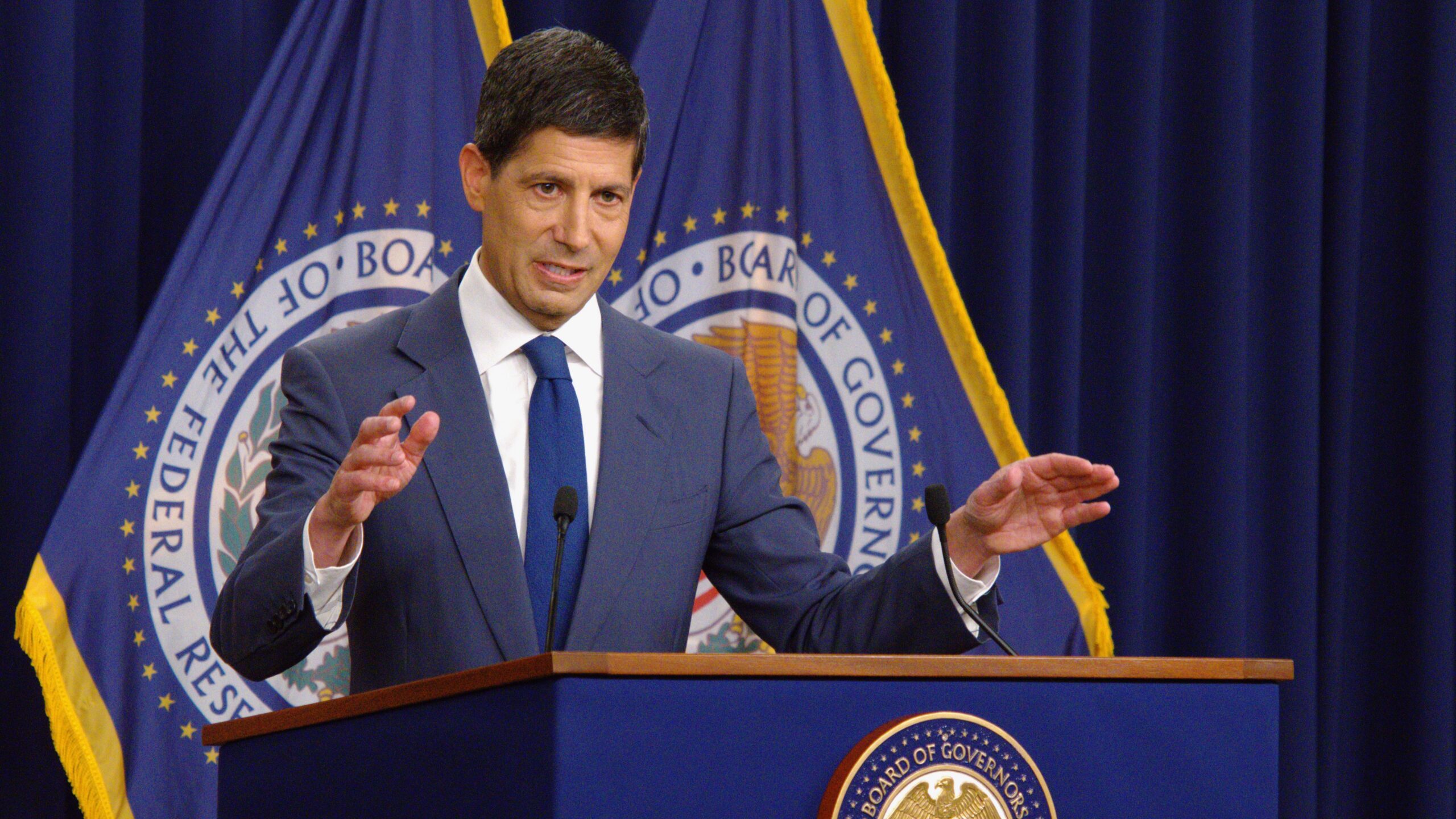
Warsh Worries: Bond investors also have to do a lot more guesswork under a Kevin Warsh-led Fed. The new chair has indicated that FOMC members should share less about their thought process and is moving away from guidance. A recent report from Bloomberg Intelligence suggested that the Fed may eliminate the dot plot chart shared after FOMC meetings that shows members’ projections of interest-rate paths.
Recent News
-

Photo via Timon Schneider/ZUMAPRESS/Newscom




-
Does Smart Ring-Maker Oura’s Delayed Debut Mark an IPO Tipping Point?

Photo via Oura Ring