Consumers Aren’t Buying Stable Job Market Data
On Tuesday, The Conference Board said its consumer confidence index fell to its lowest level in 12 years in September.
Sign up for smart news, insights, and analysis on the biggest financial stories of the day.

Not even halfway decent JOLTS numbers seem to be enough to give consumers a needed jolt of confidence.
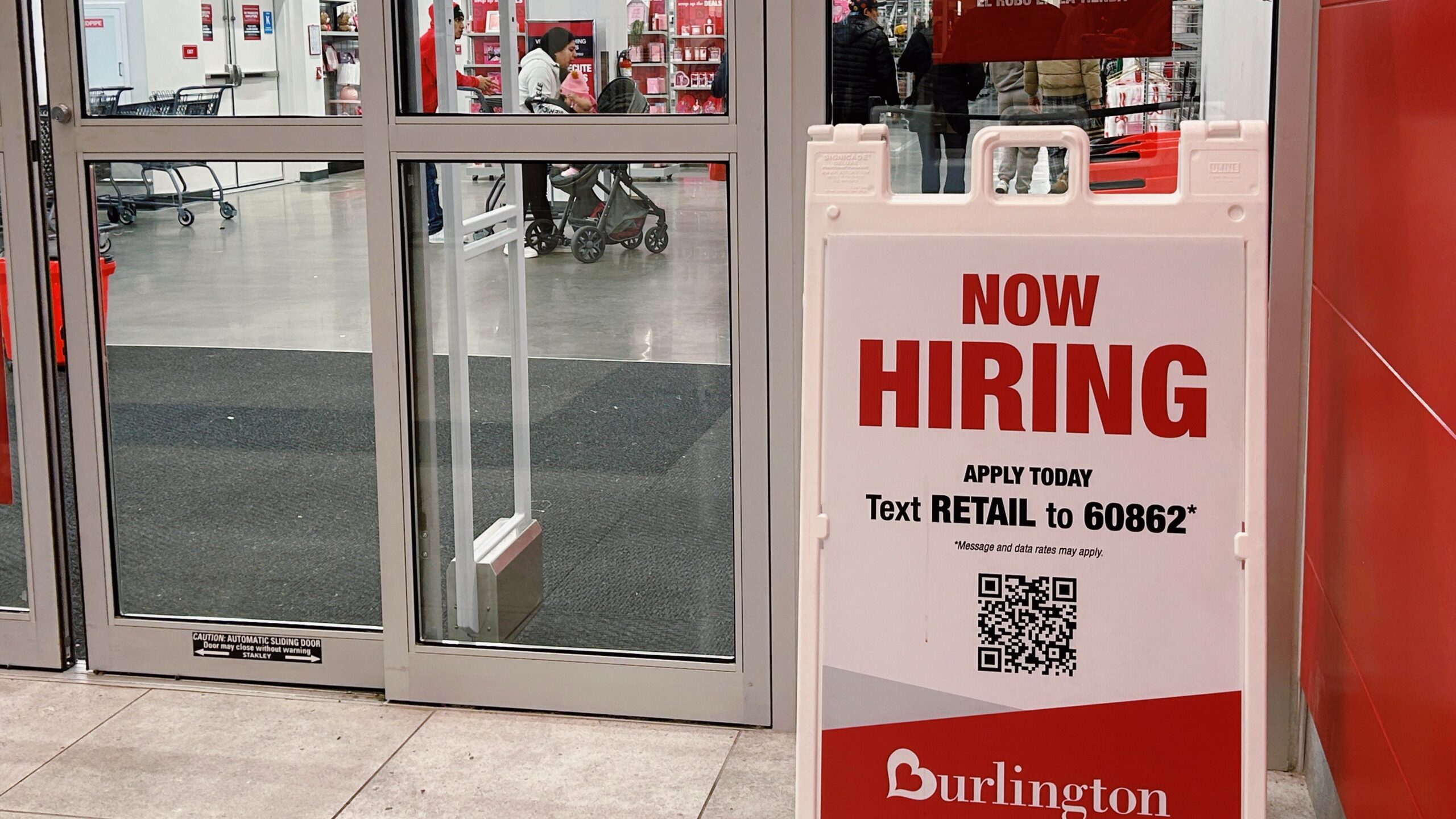
On Tuesday, The Conference Board said its consumer confidence index fell to its lowest level in 12 years in September, a period that includes the COVID pandemic. Blame high gas prices, stubborn inflation and persistent worries about a weak labor market, despite evidence to the contrary: The Job Openings and Labor Turnover Survey (JOLTS) report, also released Tuesday by the US Labor Department, showed a stable, fairly healthy employment scene.
No Churn on Red
According to the JOLTS data, the labor market continues to lounge in a No Hire, No Fire equilibrium. Job openings dipped slightly to 7.1 million in August from the month prior. New hires ticked up to 5.2 million, while layoffs dropped to 1.6 million; the rates for each metric changed by only 0.1 percentage point from the previous month. “Employers are not as inclined to purge payrolls,” LPL Financial chief economist Jeffrey Roach wrote in comments shared with The Daily Upside.
Still, the security of a “No Fire” market is providing workers only a limited morale boost. The “No Hire” market paired with it has them feeling stuck in jobs at relatively constant pay even as the price of everything around them jumps. Today brings the latest reading of the Personal Consumption Expenditures Price Index, the Federal Reserve’s favored inflation gauge, but consumers have some pretty strong ideas already about where the economy is heading:
- Average inflation expectations rose 0.3 percentage point month over month to 6.1% in September. Meanwhile, more than 68% of Conference Board respondents said they expect interest rates to increase in the next year.
- “References to prices, the high cost of goods and services, and oil and gas prices in particular, rose to new heights, reflecting September’s surge in fuel costs,” said Dana M. Peterson, the board’s chief economist.
The Supercomputing Elephant in the Room: Not mentioned in the report? Artificial intelligence. While AI has yet to break Silicon Valley containment as an agent of mass layoffs, a new report Tuesday from McKinsey estimated that roughly 11 million US workers, or about 7% of the total workforce, could face employment displacement due to AI by 2035.
Recent News

-

Photo illustration by Connor Lin / The Daily Upside, Photo by Chanakon Laorob via iStock


-
Meta’s Muse Inspires Double-Digit Rally for CPU Stocks

Photo via Meta

-
Photo illustration by Connor Lin / The Daily Upside


-
Photo illustration by Connor Lin / The Daily Upside