‘Outlook Cloudy’: Fed Rate Hike Pits Bulls Against Bears Over Year-End Rally Odds
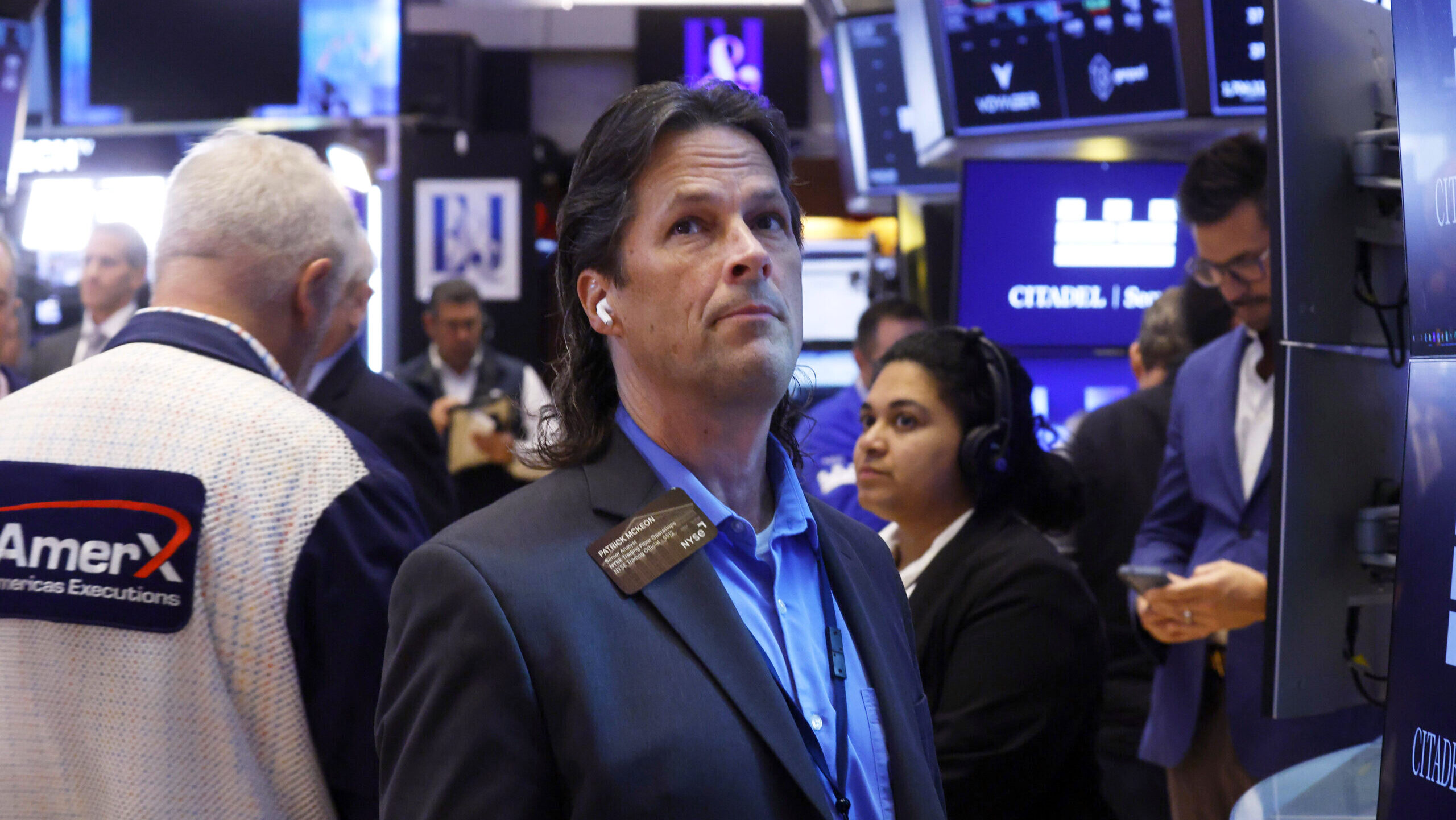
Since 1930, Citrini found, the S&P 500 has fallen an average 1.1% in the last two weeks of September before bouncing back in October.
Sign up for smart news, insights, and analysis on the biggest financial stories of the day.

September is famously the worst month for stocks on average, a phenomenon that has been heavily debated and attributed to tax-loss selling or parents liquidating assets for back-to-school costs. The so-called September Effect has also been dismissed as totally meaningless.
Putting the market psychology aside, this September has given markets plenty of reason to reinforce the stereotype: oil prices on a war-fueled incline, rising AI apocalypse anxiety and, of course, this week’s interest-rate hike. Some analysts believe that, while the September Effect may be in full swing this year, there is still time for a positive October (and later) surprise.
Here Comes the Fall (Autumn, That Is)
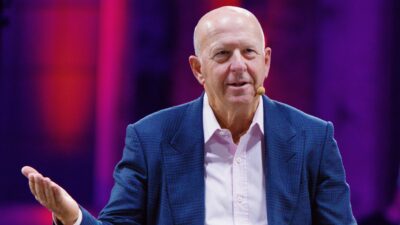
There are no doubt investors concerned about the impact of the Federal Reserve’s decision this week to raise interest rates. After Goldman Sachs CEO David Solomon noted the investment bank’s fixed-income trading business has already been “a little bit softer” this quarter, its shares fell 4% Wednesday. Higher rates can slow corporate bond issuance and broader underwriting activity, two things Solomon’s remark suggests may already be happening at a marginal level.
Then there’s Macro Risk Advisors CEO Dean Curnutt, who wrote to clients earlier this week that a rate hike could trigger an S&P 500 pullback of up to 10%. In particular, he flagged the risk posed to corporate margins by higher interest rates, which increase the cost of borrowing money and slow consumer spending. He also pointed to 2018, when “the Santa Claus rally did not come,” as a reason to be concerned about the economic backdrop for the rest of this year. Back then, there was a September rate hike, surging bond yields, the protectionist trade policies of the first Trump administration and a rotation out of highly valued Big Tech stock. Sound vaguely familiar? But there are also experts who see an upside:
- Citadel Securities says it has become “increasingly constructive” about the market’s end-of-year prospects. Since 1930, the trading firm found, the S&P 500 has fallen an average 1.1% in the last two weeks of September before bouncing back in October. In midterm election years (don’t forget to vote), the index has gained 5.6% from the end of September through New Year’s Eve.
- If past is prologue, Goldman Sachs sees reasons for optimism, too. The investment bank said that while the S&P 500 declined an average of 2% in the first three months of seven rate-hiking cycles, the index ultimately posted an average 12-month gain of 9%.
Vote of Confidence: So far, the Fed’s move to address inflation has had a calming effect on market turmoil overall. The S&P 500 rose 1.14% Thursday while Treasury yields and oil prices fell. “This appears to be the market’s vote of confidence,” said Chris Osmond, chief investment officer at Fifth Third Wealth Advisors. “Investors believe the Fed’s resolve will ultimately bring inflation under control, which is a precondition for a durable equity rally.”
Recent News

-

Photo illustration by Connor Lin / The Daily Upside


-
Musk’s Boring Company Scores $23 Billion Valuation Despite Slow Progress

Photo via The Boring Company/X