New US, Iran Strikes Highlight Shrinking US Oil Reserves
With US crude reserves at a 40-year low, oil markets are braced for supply shocks and rising prices as the US-Iran War heats up.
Sign up for smart news, insights, and analysis on the biggest financial stories of the day.

Millions of high school students are returning in the next week to contend with polynomials and logarithmic functions. But the most anxiety-inducing math these days is the more basic arithmetic of oil reserves.
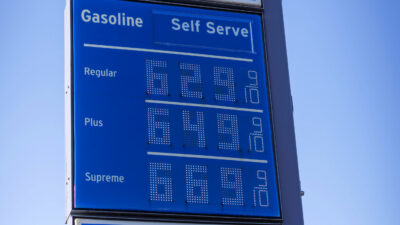
Global energy markets have been under a pall of uncertainty since the two-month window to negotiate a US-Iran peace closed last month. On Monday, the two countries exchanged strikes, marking the first US attack in a month. Brent crude oil futures rose 2.7% to $90.52, and gas at the pump averaged $4.08, or 28% more than a year ago.
Canadian Holiday
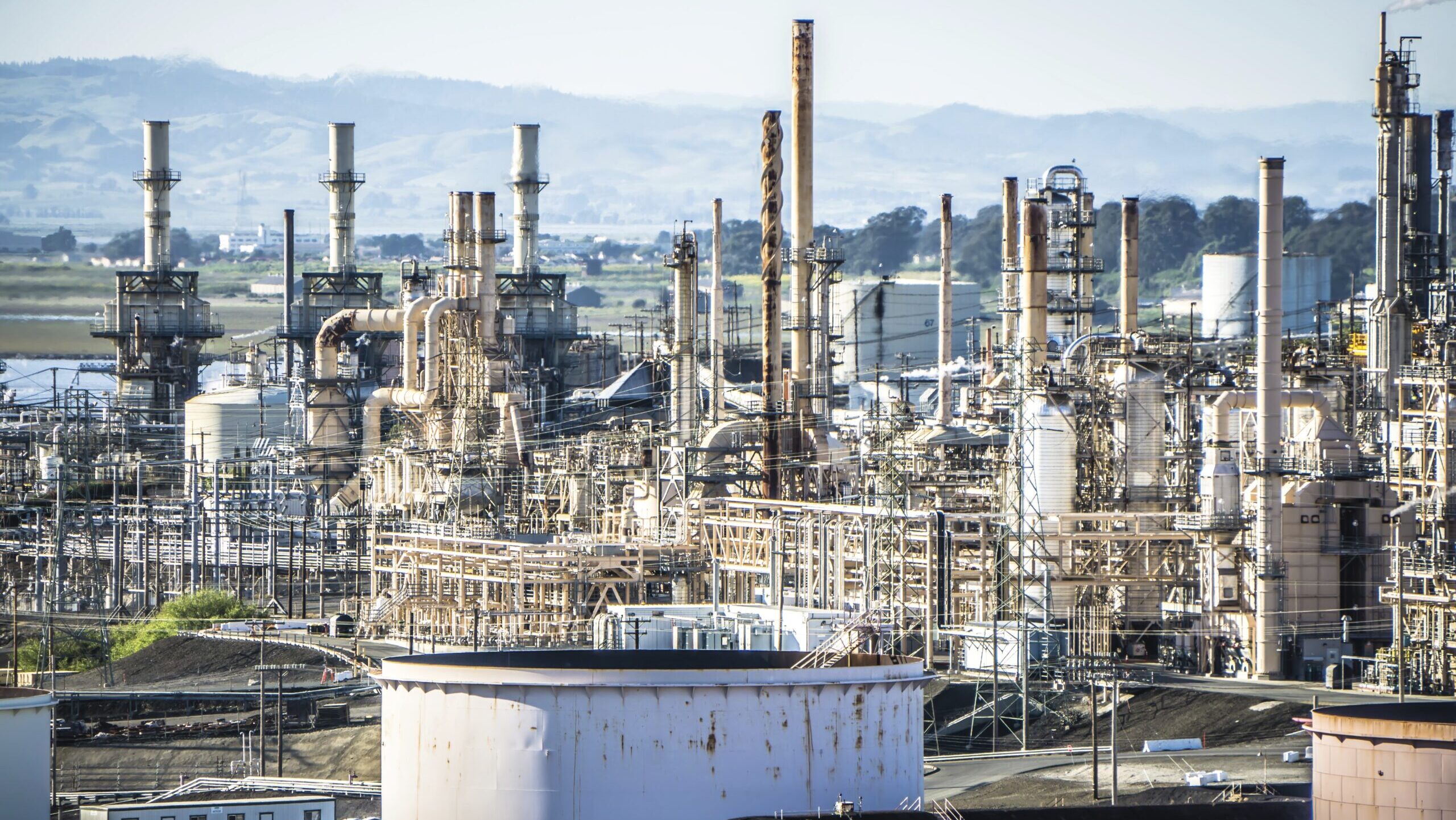
US refineries have been operating near full capacity during the war. In the week ending August 21, they processed 17.4 million barrels of crude oil per day, the highest level since 2019. The US posted record exports of crude and petroleum products this summer, and the oil sector reported the biggest profits in years. But, with the war back on, many fear a looming supply cliff just got steeper.
Canada, which typically ships 4 million barrels of heavy crude to US refiners per day, is slated to take 300,000 barrels of daily capacity offline this month for scheduled maintenance. The US would normally offset that by tapping the country’s crude oil reserves, but the efforts to negate the closure of the Strait of Hormuz have cost the country more than 120 million barrels in storage in 2026. The volume of crude held in the US Strategic Petroleum Reserve fell 3.1 million barrels to 286.6 million barrels last week, the lowest level since the early 1980s. Treasury Secretary Scott Bessent said the US hopes sanctions will bring Iran back to the negotiating table, while President Donald Trump is touting a (light-on-details) oil deal with Venezuela. But that won’t fix the short-term supply problem:
- Trump said the US will control 17 Venezuelan oilfields that would boost output by 1.5 million barrels per day.
- The Wall Street Journal reported last week that Chevron, which rose 2.1% Monday, and Halliburton, which rose 1.9%, are in serious talks to sign deals involving Venezuelan crude. But it will take massive investments and lots of time to get this oil online, with Jefferies analysts writing “legal and execution risks remain high, with any major production uplift likely years away.”
Brave the Cave: The Strategic Petroleum Reserve is a remarkable engineering achievement, which is now its own issue. America’s oil reserves are held in dozens of huge underground salt caverns in Texas and Louisiana. When oil is drawn out, water must be pumped in to maintain the integrity of the caves. Officials say a minimum of 70 million barrels is required to stabilize the caves, but experts have warned escalated structural risks kick in when the reserves drop below 300 million barrels. In other words, right now.