For Walmart Investors, Sagging Same-Store Sales Growth Overshadows Bottom-Line Beat
Sign up for smart news, insights, and analysis on the biggest financial stories of the day.

The world’s largest retailer, Walmart is widely seen as a bellwether for the US economy and consumer sentiment. On Thursday, the company reported second-quarter earnings that beat Wall Street’s expectations, raised its annual sales outlook and revealed a record-breaking tariff refund.
Naturally, shares in Walmart … fell 9.8%. That’s because comparable sales growth, a closely watched metric, came in at the lowest level in more than six years, leaving investors concerned that stressed American consumers are running out of steam. CFO John Rainey told The Wall Street Journal the comparable figure is “a legacy fixation” of investors. Analysts remained bullish, suggesting a buy-the-dip opportunity on shares that don’t always come at such low prices. Finally, there’s strong evidence the real culprit of the slowdown wasn’t reluctant consumers after all.
Not Always This Low
Walmart reported its revenue rose 5.9% year over year to $187.9 billion, and operating income rose 29% to $9.4 billion, with the top- and bottom-line figures beating forecasts. The retailer also reported a 24% increase in US e-commerce sales and 38% sales growth at its advertising business, a sign of strength at two nascent digital channels whose growth is an essential complement to its core big box store business. Normally, investors would be happy with that.
But that pesky, aforementioned US comparable sales figure tripped up Thursday’s earnings announcement. A measure of revenue growth at existing retail locations and digital channels that strips out the distortion of newly opened stores, comparable sales rose 2.6%. Not only was that well short of the 3.8% gain analysts polled by FactSet expected, it marked the slowest growth pace since 2020. This looked especially off target next to big box rival Target, which reported 3.8% comparable sales growth in the same period earlier this week. But, while investors have long used this reading as a leading performance metric, the math is more complicated this quarter:
- US comparable sales would have been a much more robust 3.4% without new pharmacy-pricing regulations, Walmart said. Medicare drug-pricing rules and other federal policies, along with cheaper retail price tags on GLP-1 drugs, have reduced pharmacy revenue, even as prescription volumes continue to rise.
- Walmart also said Thursday that it expects more overall sales growth this year than previously. Executives hiked their annual sales growth outlook to between 4% and 5% from the previous forecast of 3.5% to 4.5%.
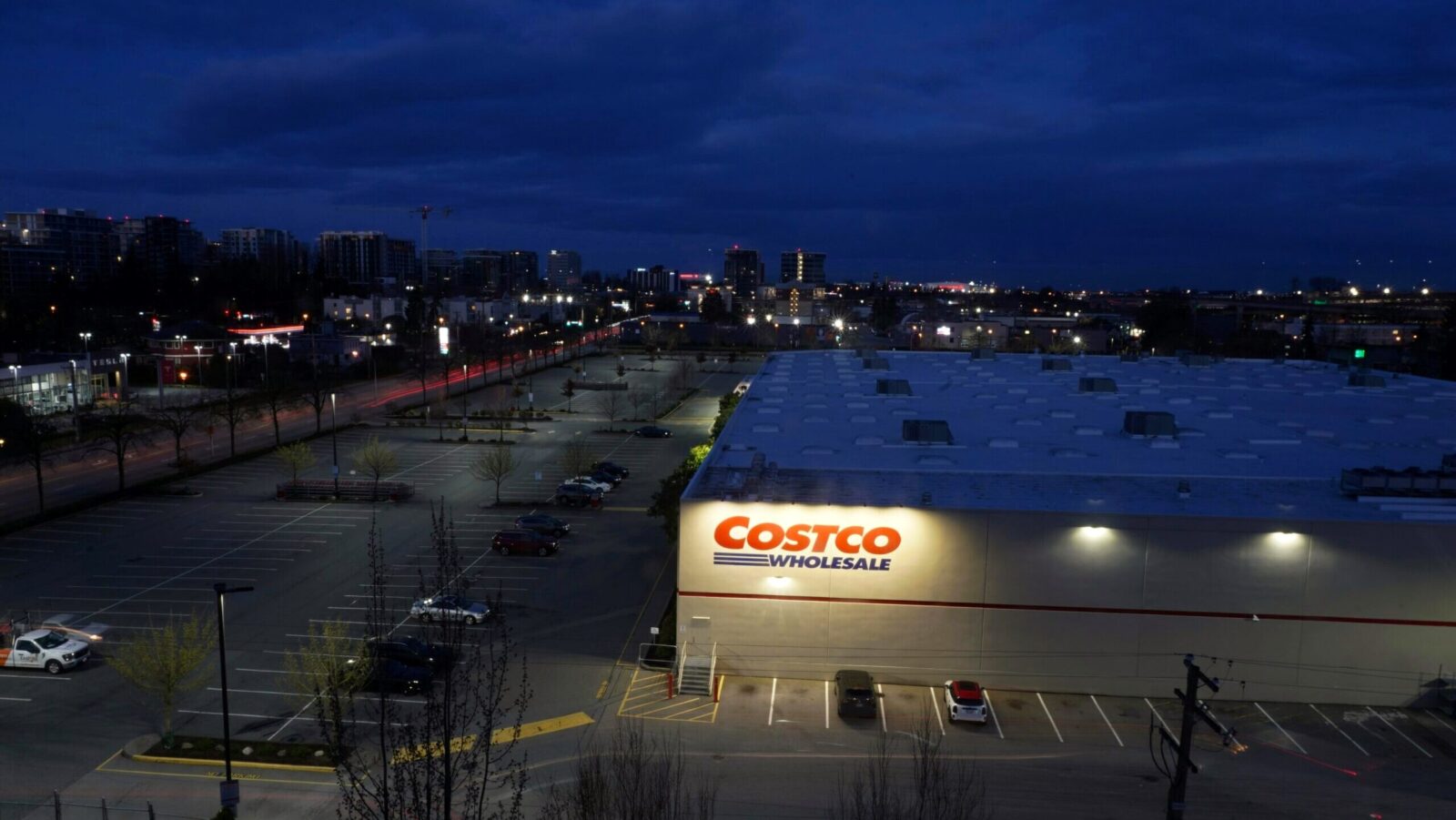
Washington Windfall: Walmart pulled down a $2.9 billion tariff rebate in the quarter, a result of the Supreme Court’s February ruling that struck down most of the Trump administration’s sweeping tariffs from last year. Target reported receiving a $1 billion refund and Home Depot $730 million. For its part, Walmart pledged to direct the money toward price cuts, the better to keep those consumers, tired or not, coming back for more.
Recent News
-
How the Price of Chocolate Got Scary High

Photo illustration by Connor Lin / The Daily Upside, Photos by Oleh Muslimov via iStock



-
Re-Energized EV Market Grapples With Growing Drain on Profitability
Photo illustration by Connor Lin / The Daily Upside