As Soaring Energy Prices Boost Inflation, Refiners Have Become Money Machines
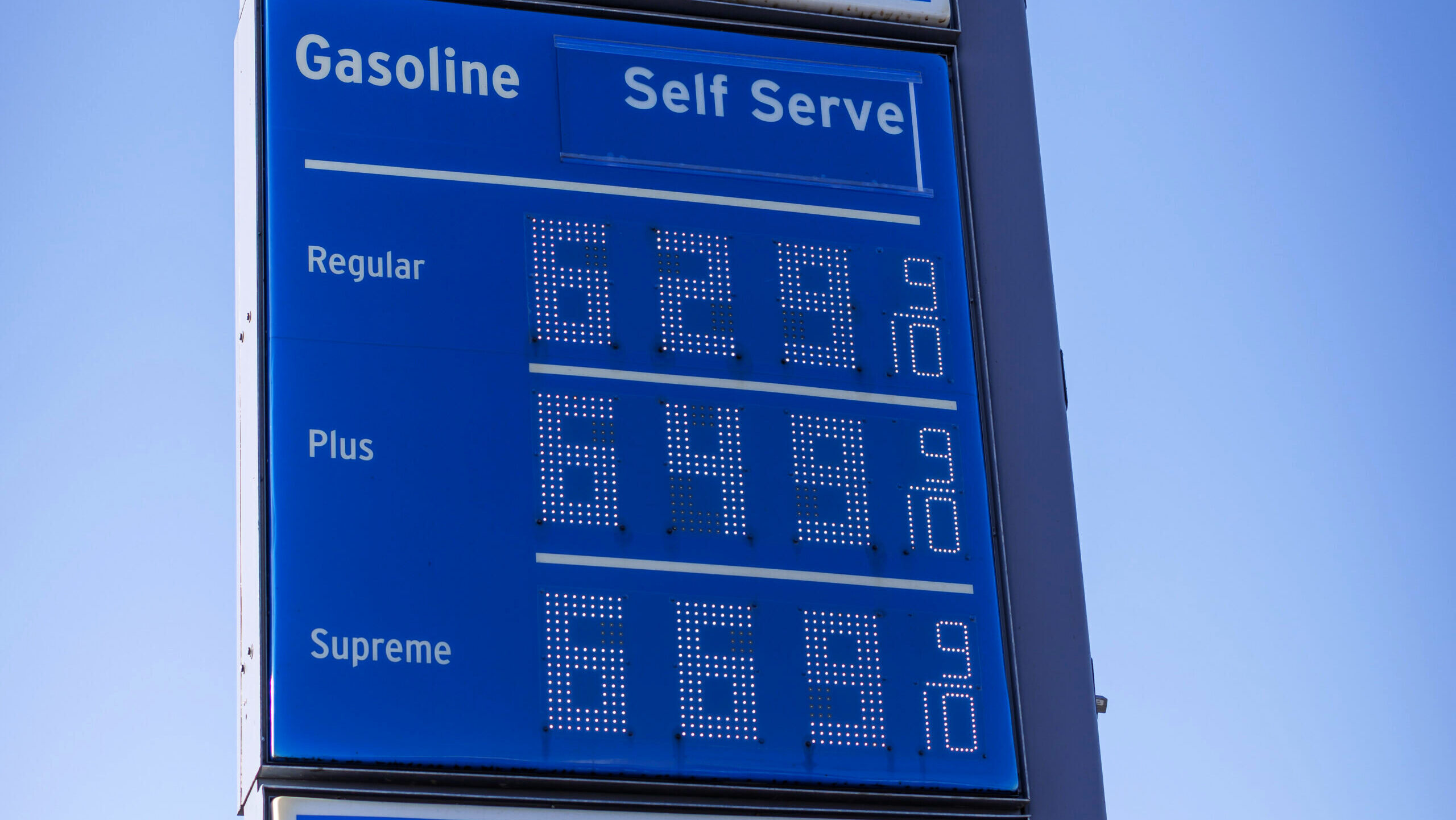
A 9.1% jump in gasoline prices from a month earlier accounted for more than half of the 0.6% monthly increase in all prices from August.
Sign up for smart news, insights, and analysis on the biggest financial stories of the day.

You couldn’t sum it up better than Harris Financial Group Managing Partner Jamie Cox on Wednesday: “Inflation is cooking with gas.”
The Labor Department reported that the Consumer Price Index (CPI) rose at an annualized 3.7% pace in September. A white-hot 9.1% jump in gasoline prices from a month earlier accounted for more than half of the 0.6% monthly increase in all prices from August, the department said. The gloom does not spell doom for everyone. Take for example US refineries, whose earnings are getting heavyweight hype from analysts.
Betting on the Spread
“It is abundantly clear where the inflation impulse originates, but two wars need to end before we get any relief,” said Cox, referring to the conflicts in Iran and Ukraine, neither of which is poised to end any time soon. “The Federal Reserve made the mistake of calling COVID era inflation transitory, and now it appears they are set to make the same mistake in reverse on the energy supply shock.”
The International Energy Agency lent support to that notion Wednesday, forecasting that the inflation-driving energy crunch will likely drag on into the second half of 2027. “Record diesel prices are already having broad economic consequences by raising the cost of goods and impacting real incomes, economic activity and inflation,” the IEA’s latest Oil Market Report reads. Making matters worse was an escalation in the Iran conflict. A Singapore-registered container ship sank in the Strait of Hormuz after it was hit during a significant escalation of attacks on vessels by Tehran.
US refineries processing crude oil into usable fuels like diesel are potential winners. Wednesday’s CPI report strengthened Wall Street’s expectations of potential record profits as they report earnings over the next three weeks. The current energy crunch has blessed them with a widened “crack spread,” the measure of the price between a barrel of crude and the products refined from it. Essentially, the spread shows margin on those products, thus acting as a proxy for refineries’ net profit.
- Since the start of the Iran conflict, America’s big three independent oil refineries – Marathon Petroleum, Valero Energy and Phillips 66 – have added roughly $215 billion in market capitalization. Shares in Marathon Petroleum are up 140%, Valero Energy 122% and Phillips 66 89%.
- JPMorgan projects that Valero, for example, could post $8.95 billion in pretax third-quarter earnings, a 50% increase from the second quarter and 24% higher than its all-time quarterly record set in 2022.
Fear of a Post: US oil refineries, already operating at more than 96% capacity, are not in any rush to address this year’s supply pressure. Wood Mackenzie analysts said it would be “naive” to think refiners won’t first consider their appeal to shareholders, which relies on “disciplined capital management and reliable dividends.” The consultancy’s analysts said production takes nine to 12 months to respond to price moves, and so increases are only beginning but are capped by a reluctance to spend only for oil prices to fall. “The volatility in the oil price makes companies cautious,” said Nathan Nemeth, Wood Mackenzie’s director of Lower 48 Upstream research. “One tweet can drop crude by US$20 a barrel.”