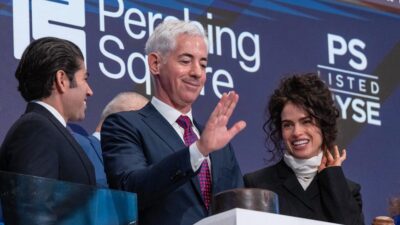
Wall Street’s Big Gains Met with Muted Reception
JPMorgan, Citi Wells Fargo and Goldman Sachs reported that their collective profits were up 14% year over year to $32 billion.
Sign up for smart news, insights, and analysis on the biggest financial stories of the day.

After weeks of watching investors stack up skepticism like seasonal firewood and toss shares aside like walnut shells, America’s biggest lenders began to face them head-on Tuesday.
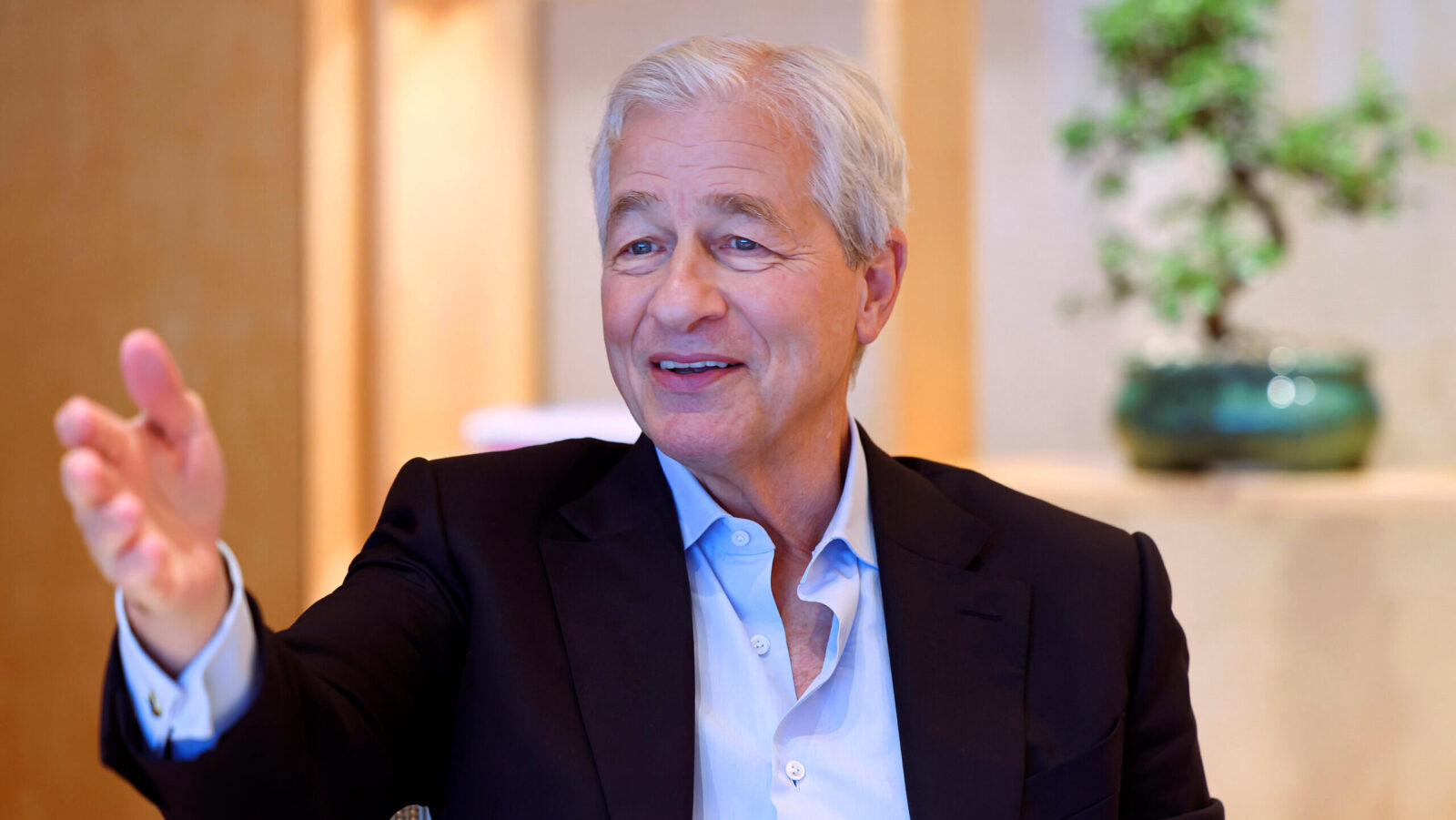
JPMorgan Chase, Citigroup, Wells Fargo and Goldman Sachs reported higher profits than a year ago in the third quarter, with their combined haul climbing 14% year over year to $32 billion. Citi and Wells Fargo beat Wall Street analysts’ profit forecasts. Goldman, powered by its vaunted equities trading desk, blew them out of the water. But JPMorgan, America’s largest bank, missed expectations for the first time in almost three years. Not a bad quarter and there were many signs of a healthy economy, but not enough to overshadow the laundry list of risks under the surface, which JPMorgan chief Jamie Dimon tallied up as “large fiscal deficits, sticky inflation, elevated asset prices, rising interest rates and geopolitical conditions.”
Where Credit Is Due and IPOs Askew
In recent weeks, the market has taken to bank stocks like a vampire to a tanning bed. The State Street SPDR S&P Bank ETF is down 7.5% in the last month and just completed its worst quarterly performance since the spring 2023 regional banking crisis. The trend continued Tuesday, with the ETF falling 0.7% thanks to the laundry list above.
The good news is consumer and business credit quality, key pillars of the economy and lender activity, still look encouraging. JPMorgan Chase and Wells Fargo, for example, reported fewer credit card defaults. Wells Fargo noted the 2.69% share of credit card users delinquent on payments for 30 days or more was essentially unchanged from a year ago. And JPMorgan’s net interest income, a key profitability gauge that measures the difference between earnings on loans and payouts on deposits, jumped 6% in the quarter to $24.7 billion.
At the same time, the ongoing bond selloff and other economic uncertainty took a toll on dealmaking. Companies including OpenAI, Holtec, SB Energy and Oura have put initial public offering plans in a holding pattern while they wait for more clarity, delaying banks’ underwriting profits in the process. Take the first nine months of the year, when companies raised more than $1 trillion, according to Dealogic, or more than they did in each of 2022, 2023, 2024 and 2025. The phenomenon was concentrated in the first half of the year, as global IPO volumes fell 8.2% in the third quarter to $53.7 billion. The slowdown showed up on bottom lines:
- Investment banking fees at JPMorgan, while up 14% year over year, declined 8% compared to the second quarter. Goldman’s fees, up 21% from a year ago to $3.2 billion, were slightly more resilient, down 5.8% compared to the second quarter.
- JPMorgan Chief Financial Officer Jeremy Barnum said on a media call that, despite the sluggish second half of September, he expects delayed IPOs will ultimately go forward and is confident in the investment banking pipeline.
Off on the Wrong Foot: The bond-market turbulence is also being felt at fixed-income desks, where revenue at Goldman, JPMorgan and Wells Fargo took a surprise downward trajectory. The $4.4 billion in revenue generated by Citigroup’s fixed-income traders, however, was the best in a decade. Someone give them a bonus with a 5.2% 10-year yield.