After Headline-Making Losses in 2022, Tiger Global Touts a $5 Billion Windfall on an OpenAI Bet
The firm invested $150 million in Sam Altman’s company back in 2021 before ChatGPT launched and has added to the investment over the years.

Sign up for smart news, insights, and analysis on the biggest financial stories of the day.

It’s the AI of the tiger, the thrill of the fight.
Tiger Global stands to snag a $5 billion paper profit from its early bet on OpenAI, which is in talks to raise $30 billion at a $1.4 trillion valuation, Bloomberg reported Thursday. The firm invested $150 million in Sam Altman’s company back in 2021 before ChatGPT launched and has added to the investment over the years.
Risin’ Up
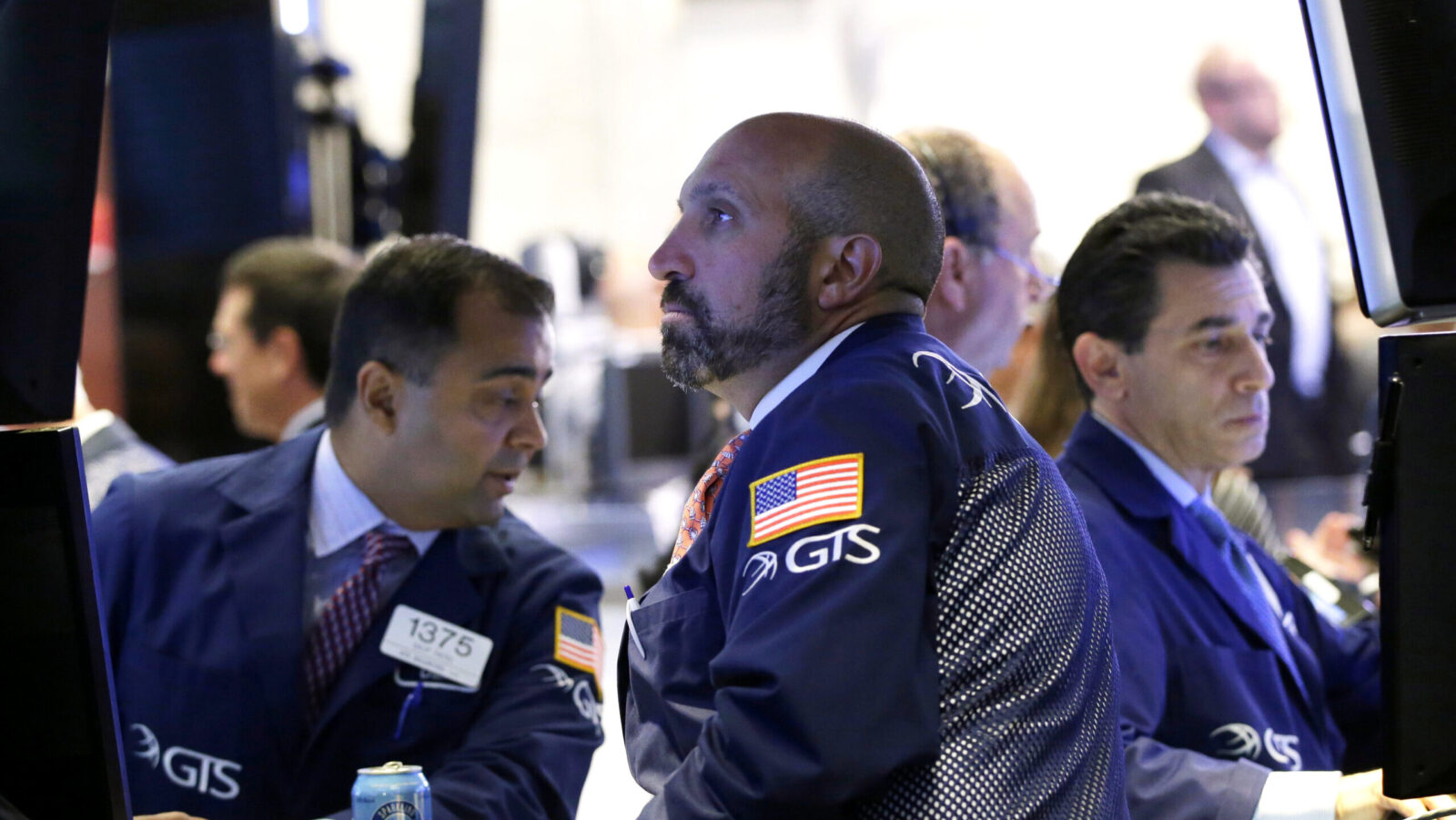
To borrow again from rock band Survivor’s song, Tiger Global certainly did its time and took its chances. After massive bets in tech companies seemed to pay off in 2020 and 2021 amid federal fiscal stimulus and historically low interest rates, Tiger became one of the “biggest losers” of hedge funds in 2022 when rates reversed, hemorrhaging $18 billion for the year, according to Institutional Investor.
Now, Tiger’s early bet may be the envy of tech-investment firms that jumped on the trend later, like SoftBank, which made its first investment in OpenAI in 2024. But the same moves that helped many investment firms stage post-pandemic comebacks could also spell systemic vulnerability within the sector:
- Concentration risk is a major concern. For example, while US venture investment climbed to record levels in the third quarter, AI accounted for 82.7% of deal value, according to the PitchBook-NVCA Venture Monitor.
- They’re also banking on optimism that AI demand will keep climbing, but there is no guarantee. On Thursday, The Financial Times reported that OpenAI’s annualized revenue is roughly $20 billion less than previously thought based on what the company had told investors.
Left Out: The concentration is bad news for many startups, too. In a recent report, Ginger Chambless, head of market insights for JPMorgan Commercial Banking, said that for founders “perceived as category leaders or platform-adjacent” conditions are highly favorable with strong valuations and tons of access to capital. “For others, the process can feel prolonged and uncertain as capital is concentrated within fewer deals than at any point this decade.”