Warsh’s “Quiet Fed” Approach Adds a Hawkish Call at Jackson Hole
Since taking over as Fed chair in late May, Warsh has made it clear he is less comfortable providing forward guidance than his predecessor.
Sign up for smart news, insights, and analysis on the biggest financial stories of the day.

A hawkward silence fell upon Jackson Hole. While Federal Reserve Chair Kevin Warsh continued advocating for a “quieter Fed” in his speech to the annual conference on Friday, he also gave the strongest signal yet that the central bank is ready to hike rates as inflation becomes, as he put it, “more concerning.”
However, data waits for no man and a payrolls report due this week could complicate the short-term path to a hike.
This is What it Sounds Like When Hawks Cry
Since taking over as Fed chair in late May, Warsh has made it clear he is less comfortable providing forward guidance than his predecessor. On Friday, he emphasized the potential “hall of mirrors” problem: the market trades on Fed guidance and the Fed reacts to market prices, leaving both unmoored from the real economy.
He didn’t deviate much from that position. “There was no new information in Chair Warsh’s speech,” said LPL financial chief economist Jeffrey Roach. Warsh did explicitly say he believes the labor market is at full employment and that better-than-expected inflation readings over the summer did not persuade him that elevated prices have meaningfully improved. Those two points suggest a willingness to hike.
But Roach said the chair has talked like this before, only for policy to hold steady: “The money quote (ha!) implied a hawkish lean toward rates: If core inflation doesn’t slow further, the Fed will hike. But that’s the same message as in the FOMC’s last two monetary policy statements, which followed decisions where they nevertheless held rates steady.” Indeed, payrolls data this week could lengthen the odds of a September rate hike, which markets currently peg at 57%, according to CME Fedwatch:
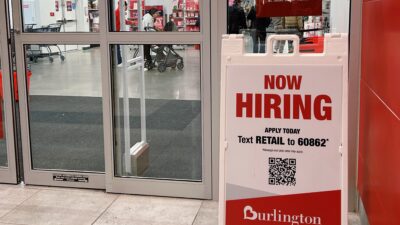
- Bill Adams, chief US economist at Fifth Third Bank, said markets are pricing in the “obvious interpretation” of Warsh’s remarks, but that “the bar to a hike will likely look higher [this week], since payrolls will likely fall in the August jobs report.” The Trump administration’s decision to strip protected status for 100,000 to 200,000 employed Haitian migrants likely drove payrolls into negative territory for the second straight month in August, he noted.
- “Consecutive monthly declines for payrolls are rare outside of recessions, but—famous last words, we know!—this time looks different,” he said, adding the July decline was also the result of a policy decision, the government employing fewer teachers. Nevertheless, Adams said “the Fed will probably see higher risks to the employment side of their mandate” if the August payrolls report is negative.
No Moving Targets: John Luke Tyner, the head of fixed income at Aptus Capital Advisors, said Warsh did successfully settle some nerves on the market when he “clearly shot down” speculation he might abandon the personal consumption expenditures (PCE) price index, the Fed’s preferred inflation metric, for another. Warsh called the Fed’s objective of 2% PCE inflation “a firm, fixed target,” a clarification that Tyner said “creates a clear crosshair for the market to focus on.”