Does Smart Ring-Maker Oura’s Delayed Debut Mark an IPO Tipping Point?
Oura had previously planned to sell 50 million shares between $40 and $44 at a roughly $14 billion valuation.
Sign up for smart news, insights, and analysis on the biggest financial stories of the day.

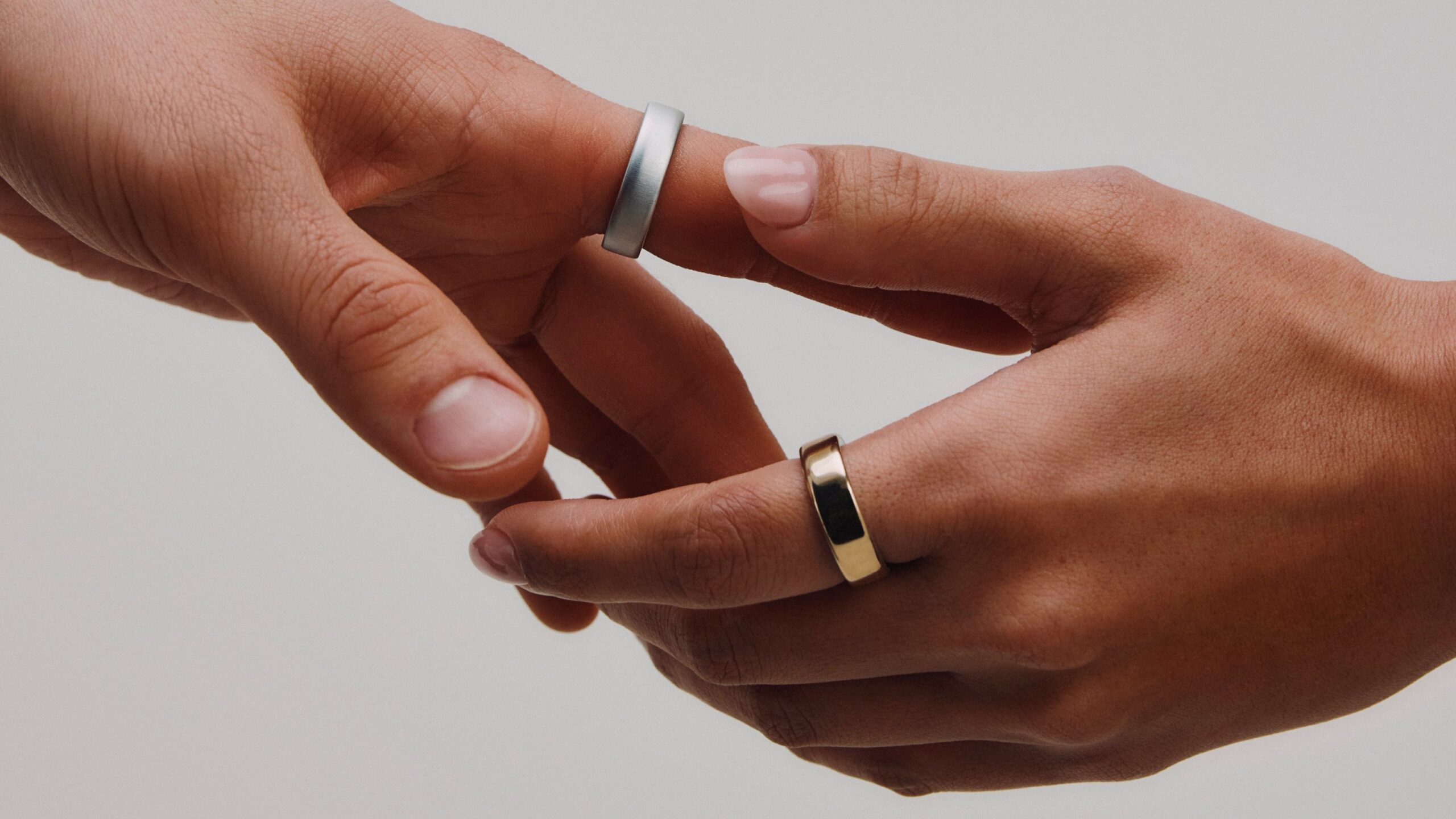
In the marketplace, Oura was no ringer. The company sold 3.6 million of its smart rings, which track sleep patterns and physical activity, in the year ending June 30, capturing 2% of the entire global wearables market. It also boasts 5.7 million subscribers who pay $5.99 per month for software subscriptions.
Oura is also profitable, recording $61 million in net income in the nine months through June 2026, according to a regulatory filing earlier this month. And it expects 90% revenue growth in the fiscal year that ends today. But even with all that going for it, the company announced Tuesday it’s pausing plans for an initial public offering, signaling the IPO market may have reached an “uncertainty” tipping point.
Oura Farming
Oura planned to sell 50 million shares between $40 and $44 at a roughly $14 billion valuation, and emphasized in a statement that there was “strong demand” for its float. IPO performance in the first half of 2026 suggests a receptive market, too. Securities and Exchange Commission data released last week shows the number of US IPOs rose 16% year over year to 208 at the end of June. And the proceeds from those listings increased nearly 400% to $137 billion, boosted by SpaceX’s megacap debut.
On the other hand, macroeconomic risks have grown as the year has progressed. Investors fear AI spending could slow, energy prices and inflation might remain high and the Federal Reserve could keep hiking interest rates. Oura’s decision Tuesday was the latest signal of how heavily these concerns are weighing on pre-IPO boardrooms. Nuclear energy firm Holtec and property underwriter Bamboo Insurance also pressed pause on debuts this month, with one making the reasons abundantly clear:
- While Oura simply cited “uncertainty in the IPO market,” Holtec detailed its reasons: “rising energy costs, elevated global trade tensions, ongoing military conflicts and mounting inflation fears that have driven the central banks of major economies (EU, Japan and US) to raise their benchmark rates.”
- Those higher rates and concerns about government spending are also driving up government bond yields, with the 30-year Treasury yield reaching the highest level since 2002 on Tuesday. Wall Street analysts have warned that threatens the stock market because investors could move from equities to bonds to lock in long-term returns, which is not exactly the ideal environment for a debut.
There’s an AI in Wait: AI giant Anthropic, meanwhile, appears determined to soldier on despite delaying its IPO by a month until after November’s midterm elections. Reuters reported this week that the company has confidentially filed a prospectus, aiming to raise up to $100 billion at a $2 trillion valuation. But the money-losing firm has a need for cash, given its more than $500 billion in future infrastructure commitments. That would make many investment bankers, whose bosses have warned of a trading slowdown post-SpaceX, believe in Santa.
Recent News
-

Photo illustration by Connor Lin / The Daily Upside, Photo by Chanakon Laorob via iStock