Humanoid Robots Can Outrun Usain Bolt, But Complex Tasks Are Taking Longer
JPMorgan analysts recently estimated that robots ready to speed up the supply chain will cost about $120,000 each.
Sign up for smart news, insights, and analysis on the biggest financial stories of the day.

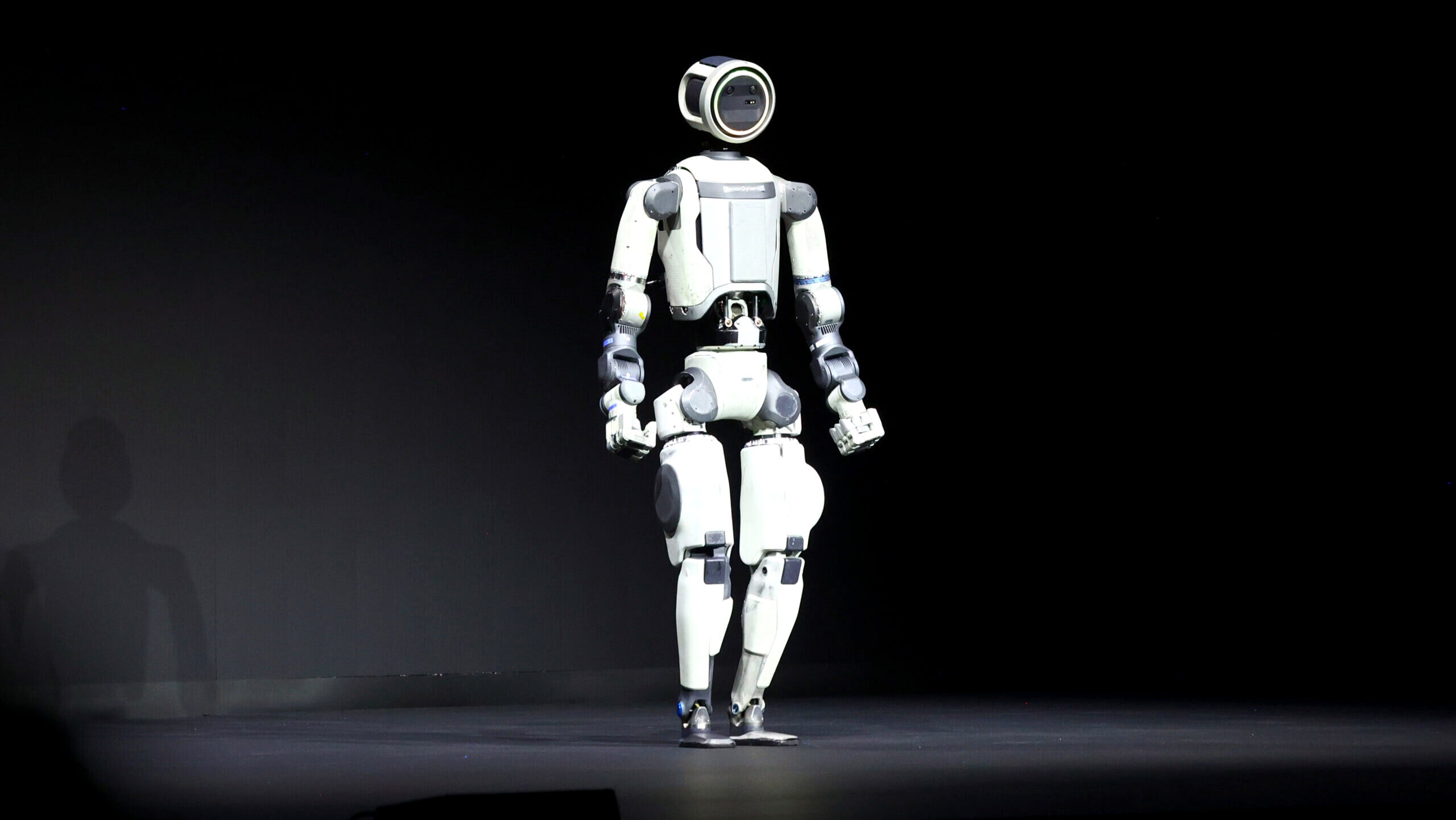
A humanoid robot beat Usain Bolt’s 100-meter sprint record last month at the World Humanoid Games in Beijing (call it “Usain Bot”). But while robots running, jumping and breakdancing have become impressive spectacles, their actual utility hasn’t been as clear.
Citrini Research released a report this week saying onlookers scoff at their own risk because robots are learning complex tasks increasingly quickly. At the same time, Citrini doesn’t think robotics is headed for a single “ChatGPT moment.” Instead, the tipping point will come from multiple sources, a theory that reflects the wide variety of tasks robots are being trained to do.
The Gears Are Turning
Humanoid robots have basic movements down: They can get around and, as recently shown at China’s games, dominate sports. But for robots, beating Usain Bolt in a race is in many ways easier than folding laundry or working a factory line. They’re starting to show progress with those tasks, however, which require complex hand movements and a brain that comprehends what they’re doing (instead of blindly sprinting forward until they crash into a wall, like robots did at the Humanoid Games). Recent advancements have led analysts including Citrini to raise their expectations:
- Generalist last month showed off a bot (basically two arms with pincers) trained on its GEN-1.5 AI model that could learn simple tasks like stacking cups or folding paper by watching short video demos. Not long after, Skild posted a video of its similar-looking robot learning via demo to flip pancakes.
- Figure’s progress update in May showed more commercial utility: Its humanoid team sorted through 250,000 packages. The co-founder of Spirit AI, a Chinese startup whose wheeled robots have started rolling around battery-maker CATL’s facilities, expects robots could be put to work in commercial settings within a year or two.
Optimus Price: Once humanoid robots can handle the tasks that make them useful, they face another barrier to going mainstream: They’re expensive. JPMorgan recently estimated that robots ready to speed up the supply chain will cost about $120,000 each. Elon Musk set a distant price target of between $20,000 and $30,000 for Tesla’s Optimus bots, but Chinese startups, most notably XPeng, could beat Musk to the punch.