

Good morning.
LIV Golf once boasted about the six-seater-golf cart-loads of money it was paying players such as Phil Mickelson and Bryson DeChambeau to hit the links. As it enters Chapter 11 proceedings, it’s asking for a little more discretion.
In bankruptcy court today, the now defunct PGA rival argued why its severance agreements with its top players deserve to stay under seal. In a court filing, LIV lawyers have deemed the payments “commercially sensitive,” which legal experts describe as unusual and uncompelling. Still, retaining its players is a top priority for the league as it undergoes a court-mandated restructuring process now that it lacks backing from Saudi Arabia’s sovereign wealth fund. On Monday, LIV said it had secured a deal for as much as $300 million in financing from BC Partners Credit, with the hope of exiting Chapter 11 by early next year. In the meantime, its stars will experience the only thing better than being paid to play golf: being paid not to play golf.
Earn a 4.25% Var. APY on up to $1M Through Feb 15 With Betterment

Grow your savings with a variable APY 11x the national average with Betterment’s Cash Reserve. Start saving for tomorrow and set money aside for what matters to you. You can create multiple savings goals and use Betterment’s automated tools to help you achieve them. Start growing your cash with as little as $10 and no minimum balance. Optimize your cash today.
What makes high-yield cash at Betterment better?
- $0 fees. Forget any monthly or maintenance costs — what you earn is what you keep.
- Rest easy with FDIC insurance up to $4M (individual) and $8M (joint) on eligible cash through our program banks, subject to certain conditions.
- Unlimited withdrawals. Unlike traditional savings accounts, Betterment doesn’t limit how often you can access your money.
Brisk $39 Billion Treasury Auction Offers Bond Market Breather
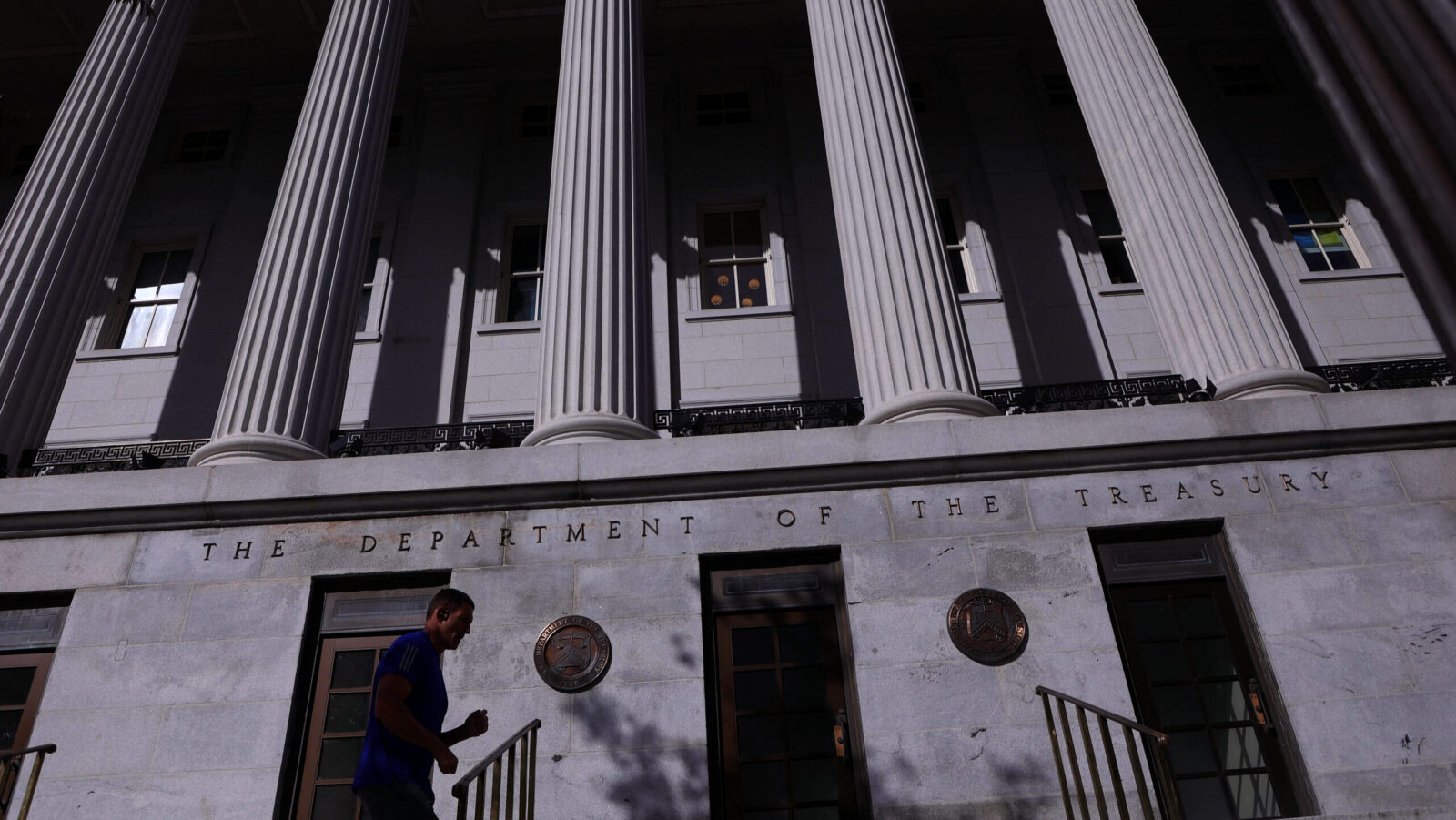
Things went from spooked to sanguine in a matter of hours on bond markets Wednesday. At first, the yield on the benchmark 10-year US Treasury note spiked to 5.36%, the highest level since 2002.
But then $39 billion in 10-year notes sold at a brisk afternoon Treasury auction, and the surge in demand helped bring the yield down to 5.282%, offering a breather from the bond bloodbath.
Back by Popular Demand
Bonds have endured weeks of selloffs, with investors chewing their fingernails over the risks of inflation, war, energy prices, public spending, government debt, rate hikes and (because it’s October) creepy ghouls like the ghost of the 2003 Treasury selloff. Yields have come under even more pressure with AI infrastructure spending and corporate debt competing for capital. “Investors consequently demanded higher returns to commit capital, creating headwinds for long-duration bonds and interest rate-sensitive areas of the market,” said Fifth Third Wealth Advisors Chief Investment Officer Chris Osmond, in a Wednesday report on the market’s third quarter.
Yesterday’s auction eased some fears, especially as it pertains to demand. The 5.3% auction yield was the highest since 2000, but it also got the job done. Investors rushed to lock in long-term gains with Uncle Sam: James Thorne, the chief market strategist at Wellington-Altus Private Wealth, pointed out that primary dealers, the big banks responsible for buying whatever bonds the market doesn’t snap up, took a mere 2.5% of Wednesday’s haul, the lowest share on record. “That undercuts claims of a buyer shortage,” he wrote. “Buyers bid aggressively at current yields, hardly the behavior one would expect from a market anticipating a dramatic further rise in long-term rates.” A reprieve from the bond sell-off would crucially offer a boon to stocks, which analysts have warned are at risk of long-term yields above 5% prompting investors to rotate into fixed income. In fact, Saxo Bank Chief Investment Strategist Charu Chanana, wrote this week that most S&P 500 sectors are already taking a pummeling for this reason, but that the index is “hiding the damage”:
- “Over the past month, the S&P 500 is up around 0.7%,” she noted. “Yet only two sectors are positive: technology, up 7.1%, and communication services, up 3.3%. Every other sector is down. Financials have fallen around 7%, materials 6.6%, utilities 6.2% and real estate 6.1%.”
- “That tells us something important: Higher bond yields are already hurting equities,” she wrote. “The pain is simply being masked by the strength of AI and megacap technology.”
Help at Home: Notes released from the Federal Reserve’s September policy meeting on Wednesday show officials expect to raise interest rates before the end of the year, but they signaled no immediate need for action. Markets are pricing the odds of an October rate hike, which would put more upward pressure on bond yields, at just 17%. Consumer borrowers, especially homebuyers, stand to benefit from any relief. The Mortgage Bankers Association said Wednesday that mortgage applications fell 4.2% last week as the 30-year fixed mortgage rate hit a three-year high of 7.49%. “Very few homeowners have an incentive to refinance at these rates, and the jump in borrowing costs has caused many potential borrowers to step back from the purchase market,” said MBA’s Deputy Chief Economist Joel Kan.
Those Numbers Won’t Speak for Themselves

Sure, AI is getting very good at crunching data. But explaining what it all means to a room full of executives? That’s still your job. Finance coach Ron Monteiro shares frameworks for storytelling, influencing stakeholders and putting AI to work. Your board will hear the difference. Download the free guide.
Tishman Speyer Wants to Return the Chrysler Building to Former Glory
It’s a landmark deal for a landmark building.
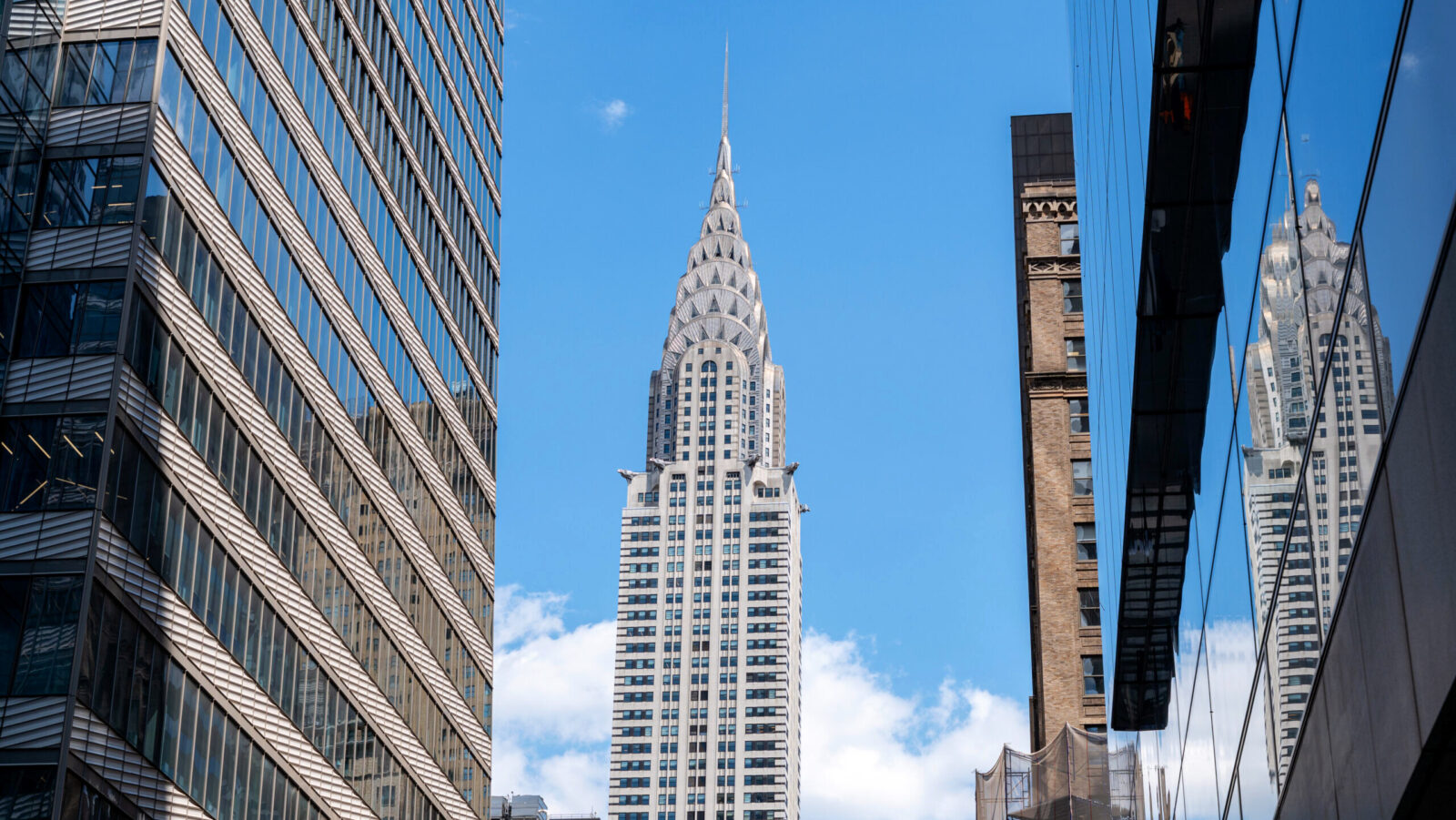
On Wednesday, building developer Tishman Speyer agreed to a $235 million deal to take control of the legendary Chrysler Building in Midtown Manhattan. The agreement comes amid an office real estate renaissance in the Big Apple, though returning the Art Deco skyscraper to its Class A former glory will take a little elbow grease and a whole lot of dough.
Déclass A
For Tishman Speyer, there’s no place like the Chrysler. The firm and partner investors purchased the building and a basket of other buildings back in 1997 for some $220 million, though in 2008 sold a 90% stake for $800 million during the Great Recession. The nearly century-old tower, including the firm’s remaining 10% stake, flipped hands again in 2019 for just $150 million, a sign of its decaying conditions and appeal. But a judge later terminated the lease after its most recent owner got crushed under the weight of the commercial real estate industry’s COVID-era meltdown.
As Tishman gets the keys back, its office space is around just 50% full, sources told the New York Post. The firm’s renovation plans include fitting at least 75% of the vacant space with ready-to-occupy suites, face restoration, upgrades to elevators and other mechanical systems, and an upscale lounge and dining area on the 61st floor, where the iconic eagle gargoyles perch.
On the other side of the extreme building makeover is a white-hot office market:
- Office rentals in Midtown now go for an average asking price of $85.08 per square foot, according to Colliers’ recent third-quarter report, good for the highest point since August 2020, and roughly on par with the rate seen just before the pandemic. Class A buildings asked for an average of $91.08 per square foot, the highest price since 2008.
- Meanwhile, Colliers says that Manhattan’s year-to-date leasing volume through the first three quarters stood at 32.8 million square feet, up more than 9% year over year and the strongest first nine months of a year since 2000.
Techies Take Manhattan: Behind the rebound? Tech companies, which have ridden the AI boom to expand physical footprints across New York, signing up for more than 4 million square feet of office space in the first half of the year, per Colliers. That represents more than 18% of all office leasings in the bureau, the highest share the industry has ever taken.