

Good morning.
A growing number of Americans think CEOs should not be spouting off on social media and should just put a sock in it re: political and social issues. Just 55% of respondents said they are in favor of big companies being outspoken about issues that matter to them, down from 65% in 2018.
Opinions, however, vary significantly across issues. For example, 76% of Americans said they’re fine hearing from CEOs about clean air or water, and 71% are OK with sustainability. But only 27% said executives should talk about politics and 21% said as much for religion. Investors no doubt agree on the last one, believing the only object of worship should be the almighty dollar.
Fed Raises Interest Rates for First Time in Three Years as Diesel, Gas Prices Surge
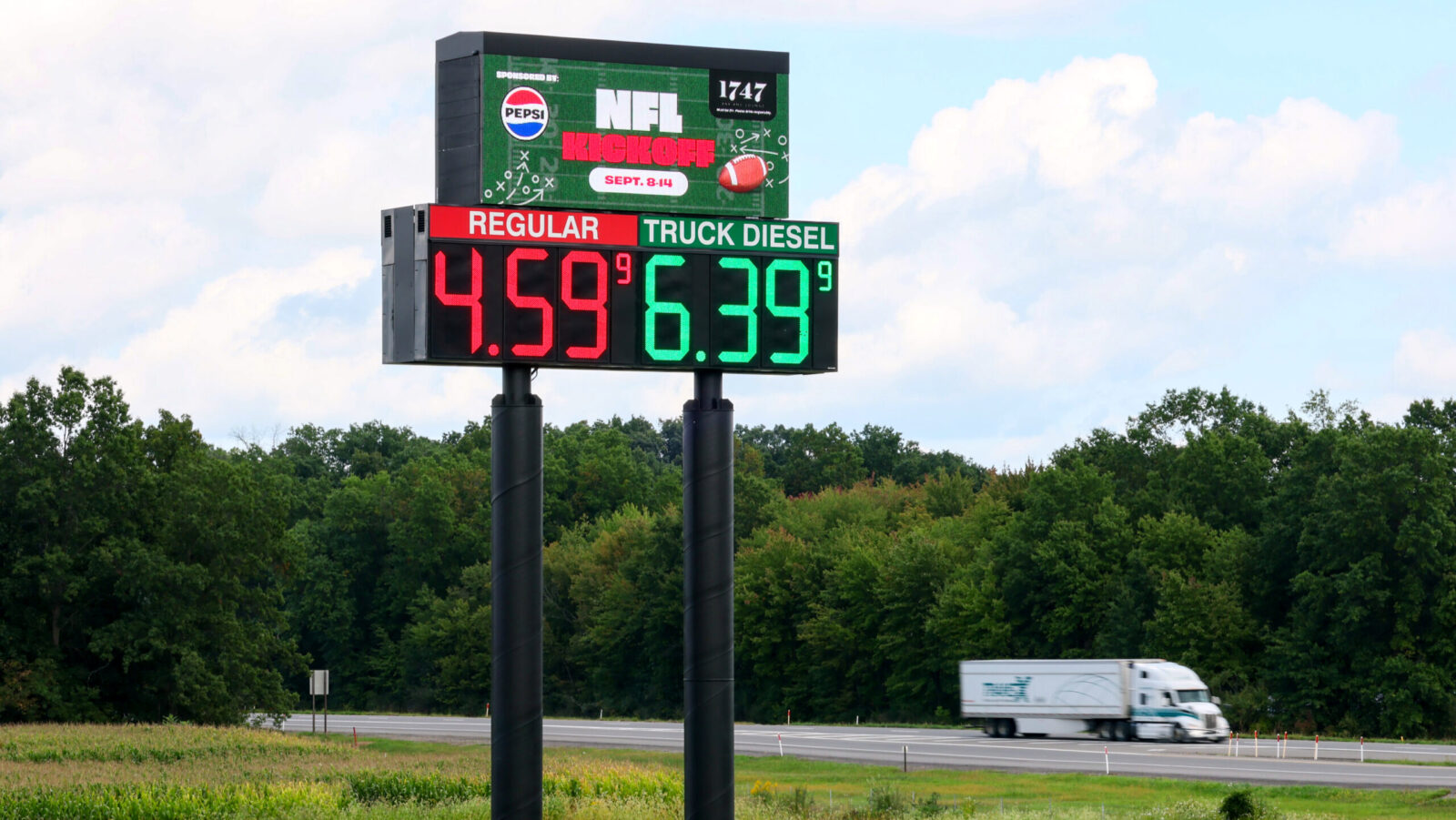
How high are oil prices? High enough to shift the balance of monetary policy at the Federal Reserve.
On Wednesday, with the benchmark Brent crude index lingering around $105 per barrel, the central bank’s monetary policy committee announced its unanimous decision to raise the benchmark federal funds rate by a quarter-point. The increase, which takes the rate to a range of 3.75% to 4%, is the first since 2023, a move that looked far from certain as recently as one week ago when traders were penciling in just a 60% chance of a hike, according to CME’s FedWatch tool. A lot can change in just a few days.
Spot Check
“The plain fact is that inflation is too high and has been for too long,” Fed Chair Kevin Warsh said at a news conference Wednesday, while pointing to the war in Iran as a chief reason for adjusting his previously dovish stance. Attacks late last week by Houthi rebels on Saudi Arabia’s East-West pipeline, used to divert oil flows from the Strait of Hormuz to the Red Sea, forced the closure of the critical artery. Ahead of the shutdown, the pipeline was moving about 4 million barrels of oil per day, or about 4% of global supply. Its absence looks like enough to crack an already fragile energy market. Options to ease the supply blockage, such as strategic reserves, are “largely now played out, and we don’t have nearly the buffers in the system that we did when it began,” Chevron CEO Mike Wirth said at an energy conference last Friday.
Crude prices have jumped to their highest levels since the start of the war, and gas prices climbed to about $4.37 per gallon on Wednesday while diesel prices reached a record $6.31 per gallon, according to AAA. There are no indications of a turnaround in the near future:
- Americans have spent an additional $107 billion on gas and diesel since the military’s attacks on Iran began in February, according to estimates from the Climate Solutions Lab at Brown University.
- Diesel prices in some states may soon cross the $7 threshold, GasBuddy’s head of petroleum analysis Patrick De Haan told Barron’s. Meanwhile, households that use heating oil could see costs increase from $1,749 to $2,520 this winter, National Energy Assistance Directors Association executive director Mark Wolfe said.
Up in the Air: What’s next? Twelve of the Fed’s monetary policymakers projected another quarter-point increase by the end of the year, while four predicted two such hikes. Speaking of projections: Executives at both United and American Airlines said Wednesday that they may decrease flight capacity to offset rising fuel costs. Translation: Book your holiday flights ASAP.
Is Your Software Actually Delivering ROI?

You signed off on the software, sat through the demo and agreed on a rollout plan. Then everyone got busy, and nobody has checked back since to see if it’s actually helping you.
If this brings you flashbacks, you’re not alone: Capterra has found that 66% of software buyers hit an unexpected implementation problem, regret the purchase, or both.
To protect your budget, Capterra has written a free guide that breaks down four signs an implementation is delivering value: real usage (we’re talking more than log-ins), measurable time savings, fewer manual workarounds and stakeholder buy-in that lasts beyond the launch honeymoon.
You’ll also learn to spot the warning signs of a failing rollout, so you can course-correct before the renewal arrives and you’re sitting on an uncomfortable video call.
Tums-Maker’s Sales Grow as Weight-Loss Drug Users Grapple With Uncomfortable Side Effects
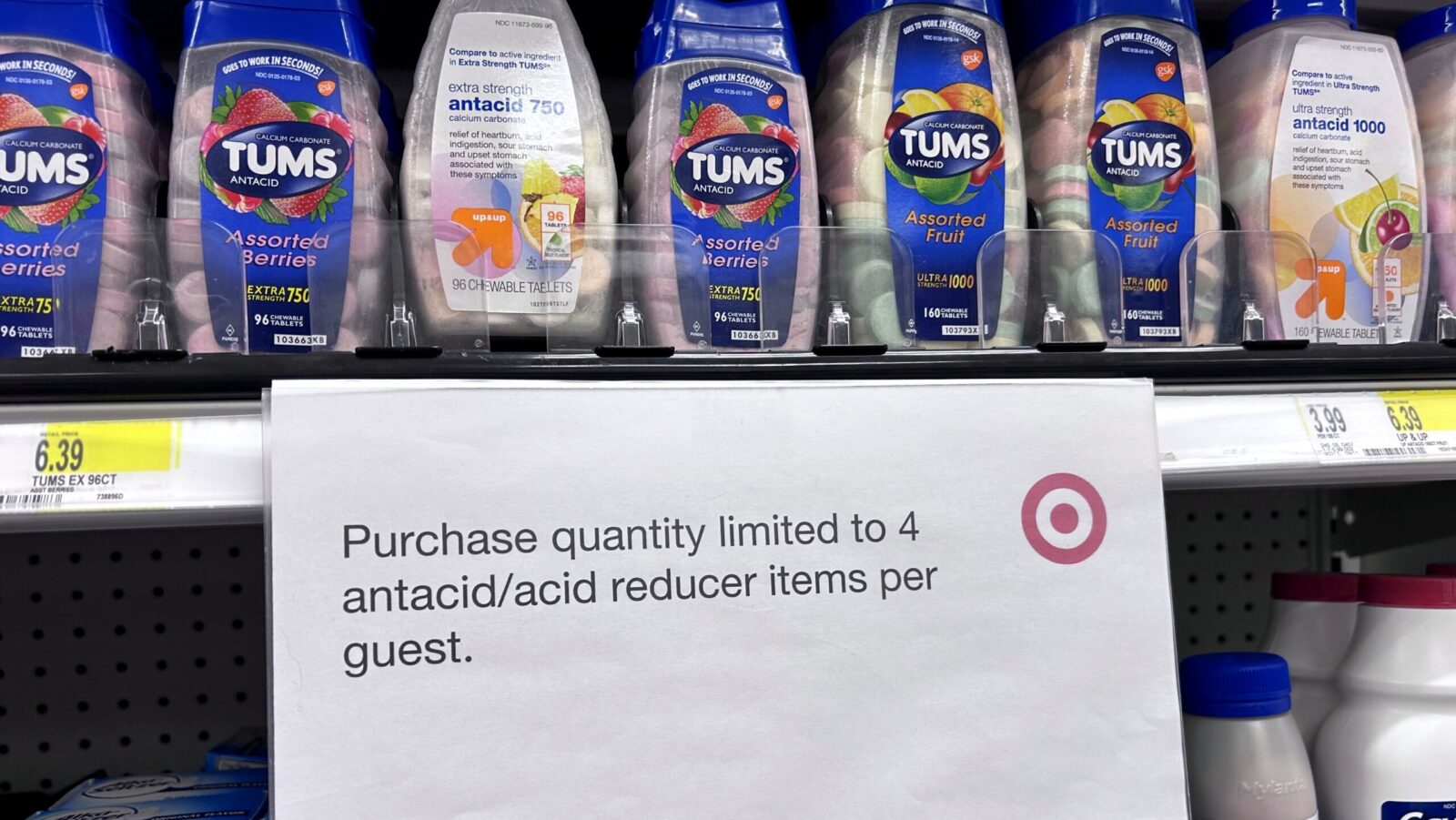
Novo’s semaglutide and Eli Lilly’s tirzepatide, the two major GLP-1 weight-loss drugs on the market, are locked down under patent until the mid-2030s. That doesn’t mean only two companies will be benefiting from the boom, though. The GLP-1 companion trade is flourishing.
One of its unheralded stars, Haleon, the British consumer healthcare goods giant that makes Tums, among other things, told Reuters Wednesday that it has significantly boosted sales of products that counter common GLP-1 side effects like gastrointestinal flare-ups.
Do the Math
It all adds up rather quickly. More than one in 10 Americans take a GLP-1 medication for weight loss, according to a July Gallup poll. And a peer-reviewed study published in Mayo Clinic Proceedings last year found that 40% to 70% of GLP-1 patients experience gastrointestinal issues including nausea, vomiting, diarrhea and constipation.
Haleon, which was spun off from GSK in 2022, makes two go-to over-the-counter products familiar to anyone with abdominal pain or digestive problems, whether induced by GLP-1s or Taco Bell. The first is painkiller Advil, and the second is the aforementioned antacid tablets Tums, which provide relief from heartburn and stomach aches. One doesn’t need a quantum computer to see that tens of millions of Americans + GLP-1 gastrointestinal issues = a lot of potential antacid and painkiller customers.
Haleon did the math, and it certainly could use a boost. The company’s shares have tumbled 9.3% in 2026, with investors concerned about its organic revenue growth of 2.6% in the first six months of the year. That means the company needs a sales lift if it’s going to hit its full-year target of 3% to 5%. A Haleon spokesperson explained to Reuters how the adoption of GLP-1s, and the resulting cramps, could help it get there:
- Haleon is working with retailers including CVS to put its products in store sections dedicated to GLP-1 users in addition to other spots. “Dual placement in core aisles and GLP-1 destination sets delivers an average 24% sales lift per store,” the spokesperson said, adding the company “holds the majority of GLP-1 shelf space at CVS.”
- Haleon told the newswire that it has held talks with Walmart and Target about adopting a similar strategy of displaying its products near GLP-1 offerings.
Haleon’s success suggests that Kenvue’s Imodium A-D or Procter & Gamble’s Pepto-Bismol could also benefit if set on the right shelf.
Some Welcome Side Effects: Not all GLP-1 side effects are unpleasant. Trisha Pasricha, an assistant professor at Harvard Medical School, wrote in The Washington Post earlier this year that the medications are associated with lowering the risk of stomach ulcers and colorectal cancer.
This Robotics Stock’s Price Changes Tonight

Everyday people like you have already invested 44,000+ times in Miso Robotics. And today’s the final chance to claim your stake at $5.48/share. Miso just collaborated with NVIDIA and finalized two major acquisitions, including from a once-SoftBank-backed robotics pioneer, growing its patent portfolio 10X overnight. Everyone from restaurants to colleges and even NBA arenas uses Miso’s tech. Invest at $5.48/share by midnight PT.*